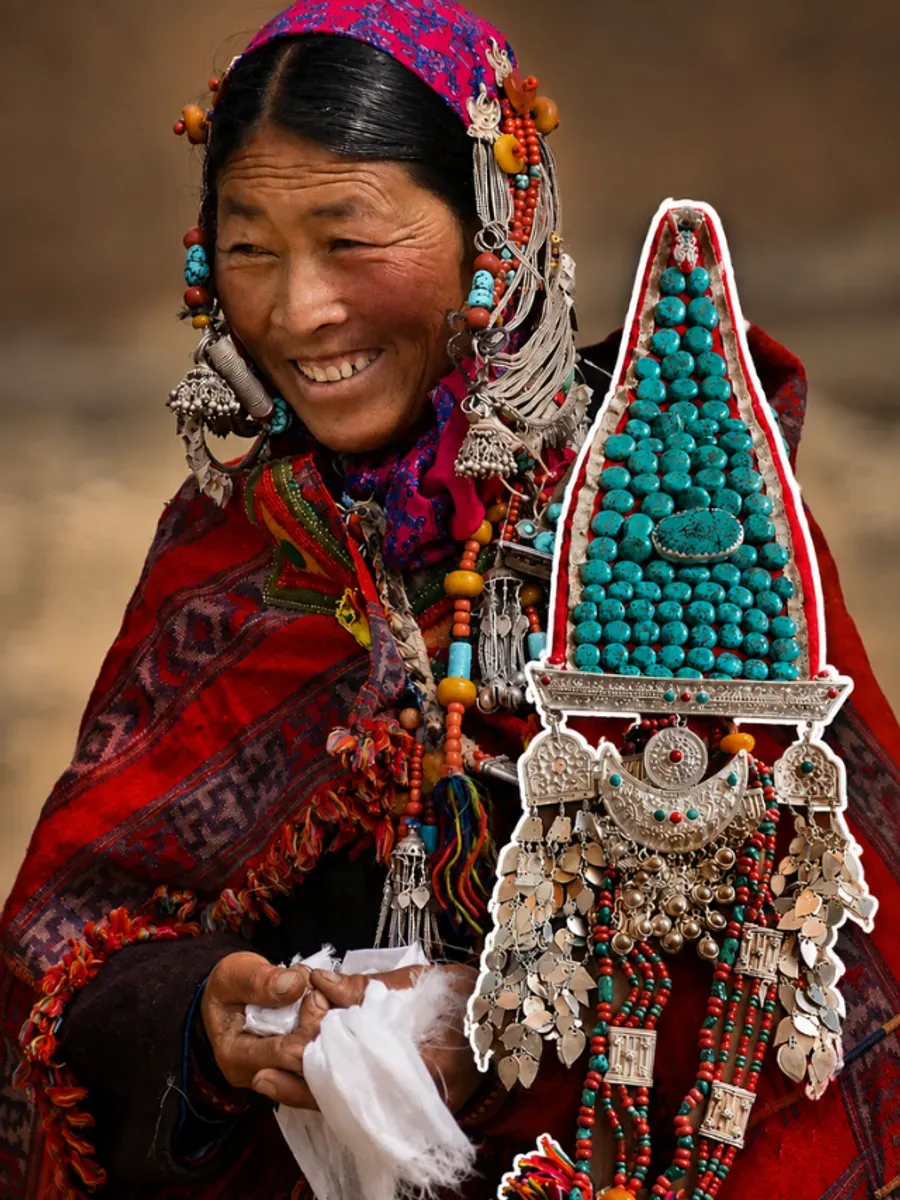
Imagine growing up knowing who you are, but not what that means. That was Uma Talavan's reality as a Siraya Indigenous person in Taiwan. Centuries of forced assimilation had done their job, scrubbing away most of her heritage. All she had were a few scattered words her parents remembered, whispers of a language declared extinct nearly 200 years ago.
But Talavan decided that wasn't good enough. She wanted to know her past, to connect it to the present, and to find the "soul" of her people. So, more than two decades ago, she decided to do something audacious: she would bring the Siraya language back from the dead.
This wasn't just a personal quest. Her tireless work, alongside her father Wan Cheng-hsiung (also known as Cheng-hiong Talavan) and other community members, culminated in a truly remarkable victory. On July 30th, Talavan and her father traveled from Tainan to Taipei for a ceremony announcing the legal recognition of the Siraya as Taiwan’s 17th Indigenous group. Let that satisfying number sink in.
We're a new kind of news feed.
Regular news is designed to drain you. We're a non-profit built to restore you. Every story we publish is scored for impact, progress, and hope.
Start Your News DetoxThe Siraya are part of Taiwan's Austronesian-speaking Indigenous peoples, specifically the largest of the Pingpu groups, who traditionally called the island's lowland plains and coastal areas home. They were, in fact, the very first people the Dutch encountered when they sailed into southern Taiwan in the 17th century. And now, thanks to generations of quiet determination, their voice is being heard once more.