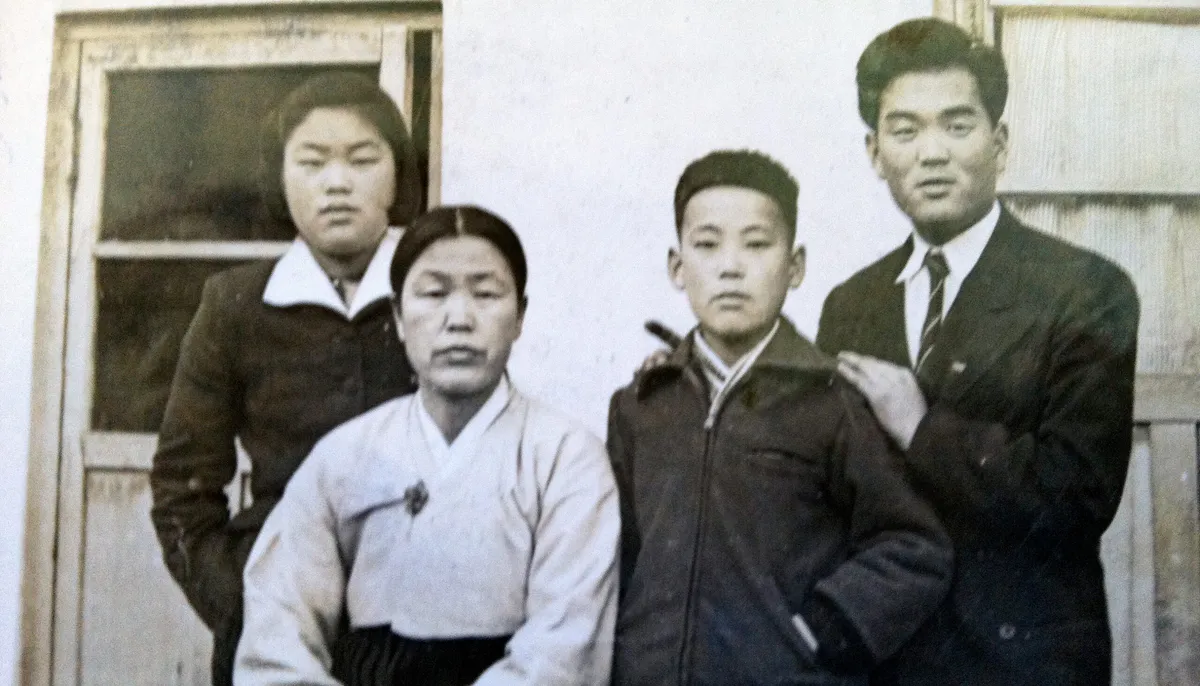
The Korean War began in 1950. It was a conflict between the great powers of the Cold War era. The war claimed up to five million lives and created millions of refugees. In the U.S., it's often called "the forgotten war." However, its impact is still felt on the divided Korean Peninsula and in Korean communities worldwide.
A Story of Survival
This war-torn setting is where Bora Lee Reed's new novel, Song for Another Home, takes place. The book focuses on a family separated by the chaos of war. It tells their struggle to survive and reunite. While explosions and gunfire are in the distance, the story centers on human resilience.
Reed is the chief communications officer at the UC Berkeley Goldman School of Public Policy. She has an M.F.A. in creative writing and a master's degree in theology. She worked on the novel for over 20 years, writing in her spare time.
We're a new kind of news feed.
Regular news is designed to drain you. We're a non-profit built to restore you. Every story we publish is scored for impact, progress, and hope.
Start Your News DetoxReed shared that her own family's wartime experience inspired the story. This included her lost grandfather and her grandmother's escape from Pyongyang with four children. These memories became the foundation for a fictional story with a wide scope. It features three young people and many supporting characters. Together, they show a country trying to hold onto its humanity during wartime.
Family History and Inspiration
Reed was born in Korea in the early 1970s. At that time, the Korean War was only 20 years in the past. The idea of North and South Korea was still new. She remembers singing songs about wanting reunification.
Her family's story began when her grandfather, a pastor, left Pyongyang in 1950. He went to visit rural churches, thinking the war was ending. While he was away, China entered the war, pushing UN and South Korean forces south. Her grandmother and four children waited for him in Pyongyang, but he never returned.
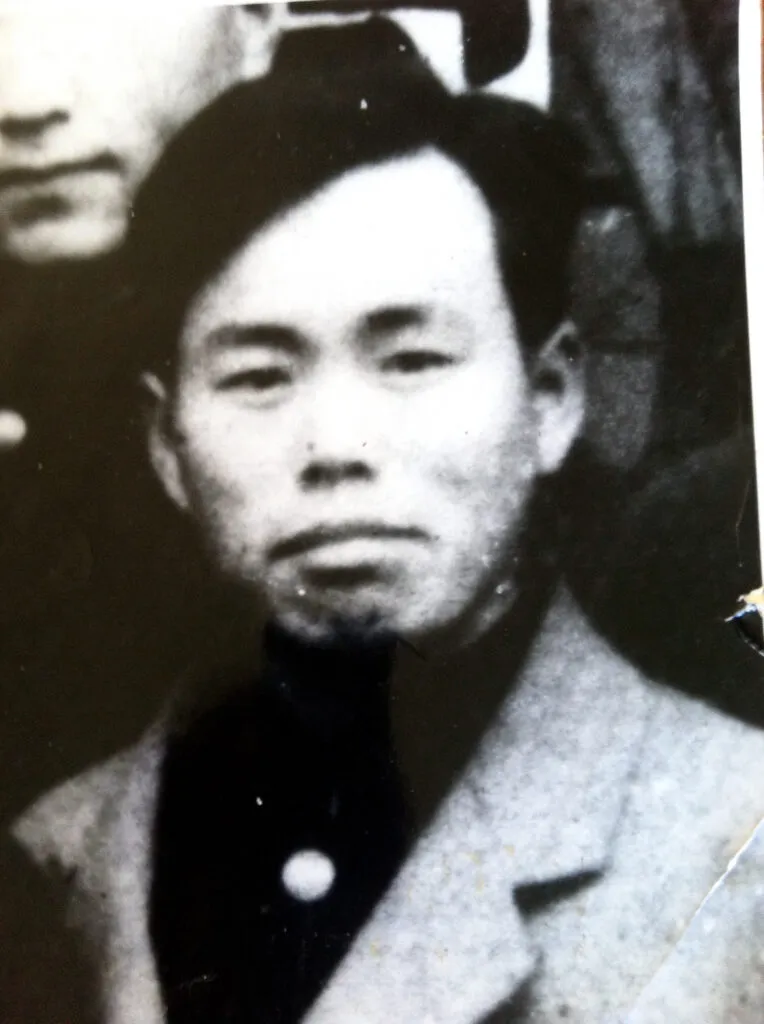
Reed's family never reunited with her grandfather. When she was five, they immigrated to the U.S., settling in Southern California. Her father, now 91, spent years trying to find out what happened to his father. He petitioned governments and nonprofits. Even now, he hopes to learn his father's fate if North Korea ever opens up.
This feeling of loss and family separation was the seed for Song for Another Home. It's a common experience for many Korean families of that generation. Reed recalled a specific story from her grandmother's escape from Pyongyang. While crossing the Taedong River, her grandmother and younger children were taken across first. Her father was left behind. Her grandmother convinced the boatman to go back for him.
Reed noted that one decision under pressure can change a life's direction. Her father often said that if his mother hadn't pleaded, he might still be in North Korea. Her grandmother's courage kept the family together through the war.

Crafting the Narrative
The novel features three main characters: Changho, his younger sister Oksoon, and their cousin Junho. They navigate the war and their journey from childhood to adulthood. Reed initially wanted to honor her parents' generation. However, she realized she needed to approach it as a standalone book.
In early drafts, the point-of-view character was Oksoon's mother. Reed found it difficult to write her, partly due to her complicated relationship with her own grandmother. Family expectations also added pressure.
Reed then shifted to Oksoon, a character on the cusp of womanhood. Oksoon was more flexible and could push boundaries. Reed learned to listen to the book on its own terms, separate from family expectations. After many years, she showed the finished book to her parents, who loved it.
The book is rich in sensory detail, describing nature, seasons, and landscapes. It also details food, its smell, and its absence. Reed visited Korea several times while writing, taking many notes. However, modern Korea is very different. She even visited North Korea with her father.
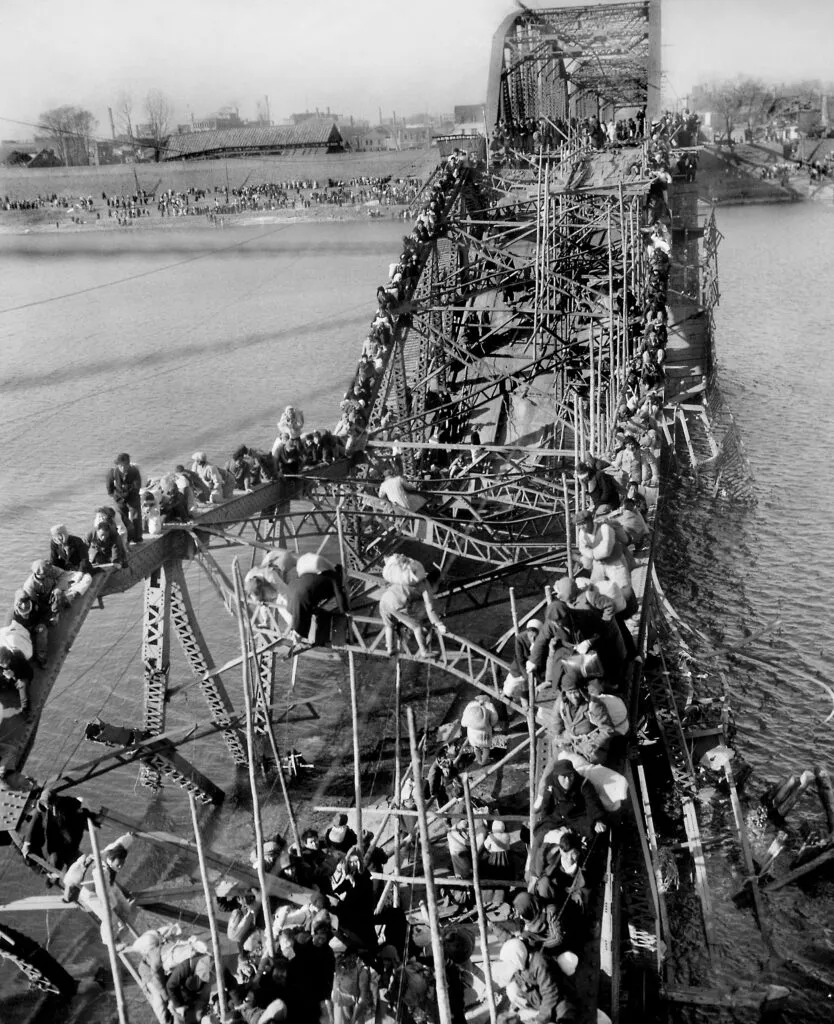
Reed also read many first-person accounts and studied historical photos, like Max Desfor's famous picture of the Taedong River bridge collapse. She looked at maps to get a sense of immediacy. For emotional details, she drew on universal experiences like cold, tiredness, and hunger, amplifying them for the wartime setting.
Reed's motivation was to honor those who survived the war's trauma. She feels the book is more than just a Korean story; it reflects the experience of many immigrants to America. She hopes it conveys that she heard and listened to their stories.
Reed already misses her fictional family. She described the intimacy of working on the book, sometimes crying while writing. This was from thinking about her characters' struggles and processing grief and nostalgia for a past Korea. She believes this is a common immigrant feeling.
The book's title, Song for Another Home, reflects this sentiment. A Korean American friend suggested it after reading the book. Reed's father found the title beautiful, saying it expressed what he felt in his heart.
Reed explained that as an immigrant and daughter of immigrants, the book is like a song for another home. It's for a past era and generation. It also captures the feeling of being an immigrant, having a foot in two places, being American but still feeling a tug for the place left behind.
Deep Dive & References
My Father Hadn’t Seen My Grandfather’s Face Since He Disappeared in North Korea in 1950 - People Magazine