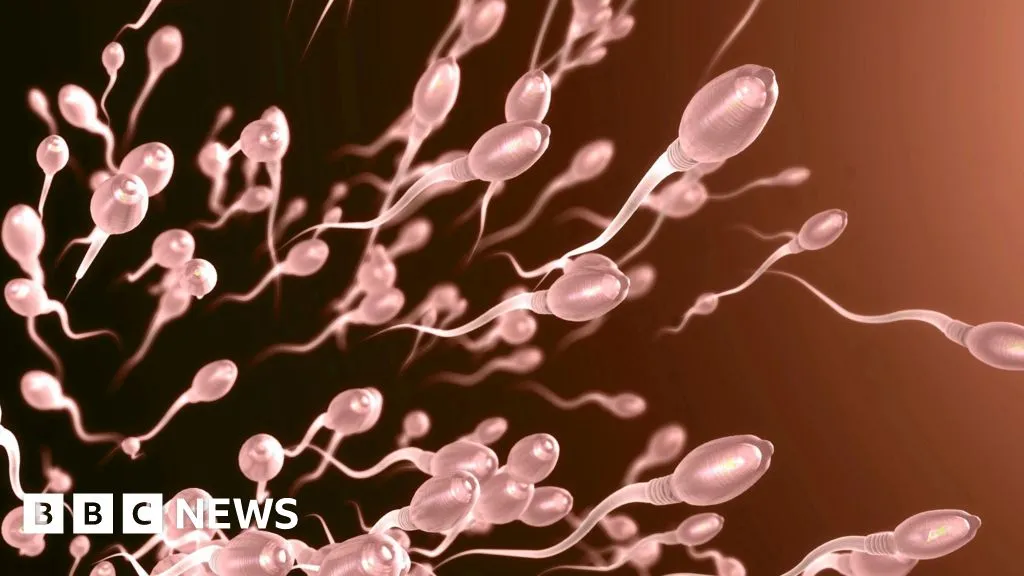
Sperm are fastest swimmers in June and July, slowest in December and January—and this pattern holds true whether you live in Denmark or Florida. Researchers who analyzed semen samples from over 15,000 men aged 18 to 45 found that sperm motility, the ability to swim effectively, follows a consistent seasonal rhythm across vastly different climates.
The finding is striking because it suggests something other than ambient temperature is driving the change. Florida stays warm year-round, yet sperm there still peaked in summer and dipped in winter, just like in Denmark. "We were struck by how similar the seasonal pattern was in two completely different climates," says Professor Allan Pacey from the University of Manchester, who co-authored the study published in Reproductive Biology and Endocrinology. "Even in Florida, where temperatures stay warm, sperm motility still peaked in summer and dipped in winter, which tells us that ambient temperature alone is unlikely to explain these changes."
What's Actually Changing
The research reveals that the number of sperm produced and the volume of ejaculate stay consistent throughout the year. Only their swimming ability fluctuates. This distinction matters because it narrows down what's happening biologically. The testes need to stay two to four degrees cooler than the body's average temperature of 37 degrees Celsius to function optimally. When that balance shifts—whether from seasonal light exposure, hormonal cycles, or some other mechanism scientists haven't yet pinpointed—sperm motility suffers.
We're a new kind of news feed.
Regular news is designed to drain you. We're a non-profit built to restore you. Every story we publish is scored for impact, progress, and hope.
Start Your News DetoxFor couples trying to conceive, this opens a practical door. Fertility clinics could time treatments and testing to align with peak sperm performance months. "Our study highlights the importance of considering seasonality when evaluating semen quality," Pacey notes. It's a small adjustment, but understanding these natural rhythms in male reproductive health could help improve outcomes for people navigating fertility challenges.
The consistency of the pattern across two continents suggests this isn't a quirk of one population—it's something fundamental about how the human body responds to seasonal shifts, even when the weather doesn't obviously change.