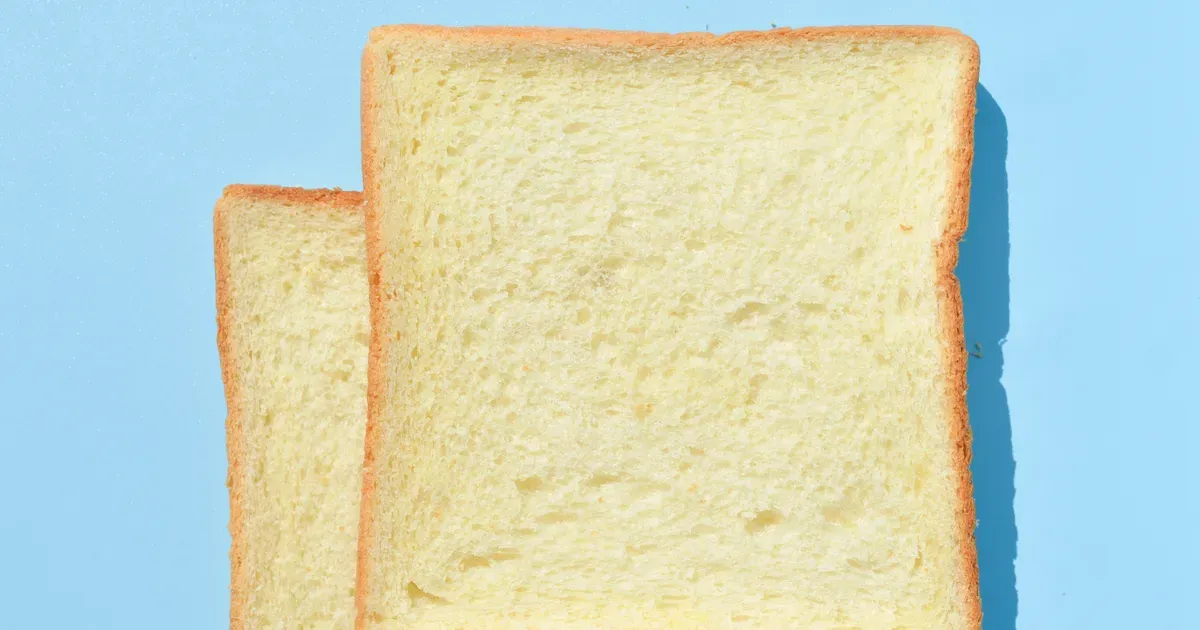
You probably freeze bread to keep it fresh longer. Turns out, you're also accidentally making it healthier.
When bread cools after baking, something called retrogradation happens—starch molecules realign and form crystalline structures that your body can't easily digest. These become "resistant starch," and the colder the bread gets, the more forms. A small 2008 study found that frozen-then-thawed bread triggered blood sugar spikes 39% lower than fresh bread. For people managing diabetes or prediabetes, that's the difference between a steady afternoon and a crash.
How the chemistry works
Fresh white bread contains about 0.5–1.7% resistant starch. After cooling or freezing and thawing, that jumps to 1–3%. Refrigerating actually creates even more resistant starch than freezing, but the trade-off is staleness—your bread turns hard within days. Freezing slows the process but keeps the loaf intact for weeks.
We're a new kind of news feed.
Regular news is designed to drain you. We're a non-profit built to restore you. Every story we publish is scored for impact, progress, and hope.
Start Your News DetoxWhen bread freezes, ice crystals rupture the cell structures inside, rearranging the starch alignment further. It's a small change that ripples through your digestion.
Why this matters for your gut
Resistant starch doesn't get absorbed into your bloodstream like regular carbs. Instead, it travels to your colon, where your gut bacteria ferment it and release short-chain fatty acids—compounds that fuel healthy colon cells, reduce inflammation, and even influence brain function. Your body also produces more GLP-1, a hormone that signals fullness to your brain, which can help with appetite control.
The effect is real but modest. You're not reinventing bread by freezing it. But if you're already eating bread, storing it this way is a friction-free way to shift the equation slightly in your favor.
The trick works for other starchy foods too. Rice, pasta, and potatoes all develop resistant starch when cooked and cooled. Refrigerate them for up to three days or freeze for longer storage.
The bigger picture
Storage matters, but what's inside the loaf matters more. Whole wheat and sprouted grain breads are naturally higher in fiber. Seeds like chia, flax, and sunflower add nutritional density. Look for bread with less than 3 grams of sugar per slice. Freeze that, and you've built something genuinely useful for your body.