At CES 2026, TCL showed off a display that does something genuinely unusual: it gets closer to what the human eye can actually see. The TCL X11L uses Super Quantum Dot (SQD) Mini LED technology—a shift from how most TVs generate color.
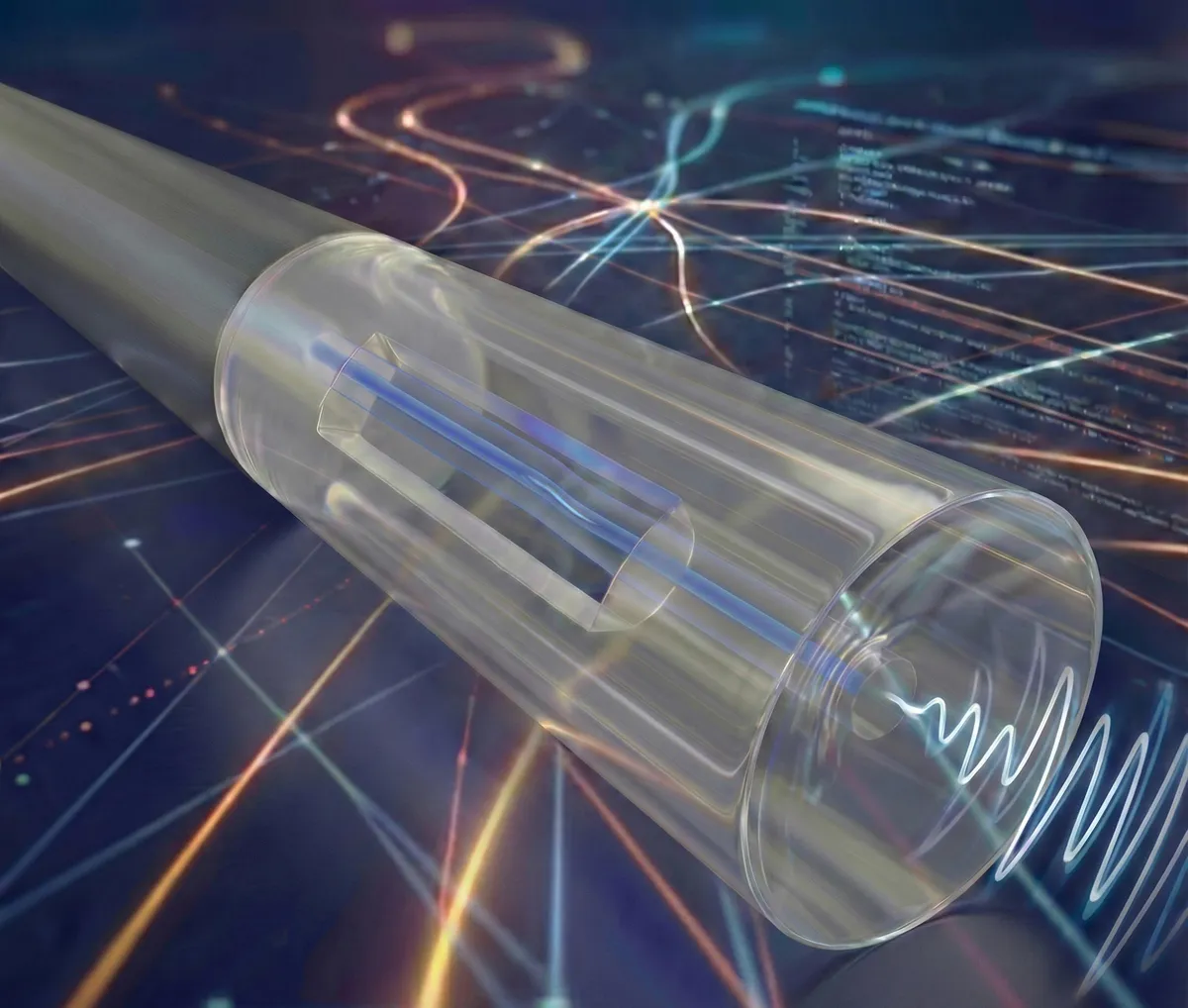
Instead of individual LEDs producing light, quantum dots convert that light into color. The dots themselves are impossibly small: 5 nanometers, or roughly one-twentieth the width of a DNA strand. That precision matters. It means wider color range, richer shades, and accuracy beyond the industry standards (DCI-P3 and BT.2020) that have defined TV performance for years.
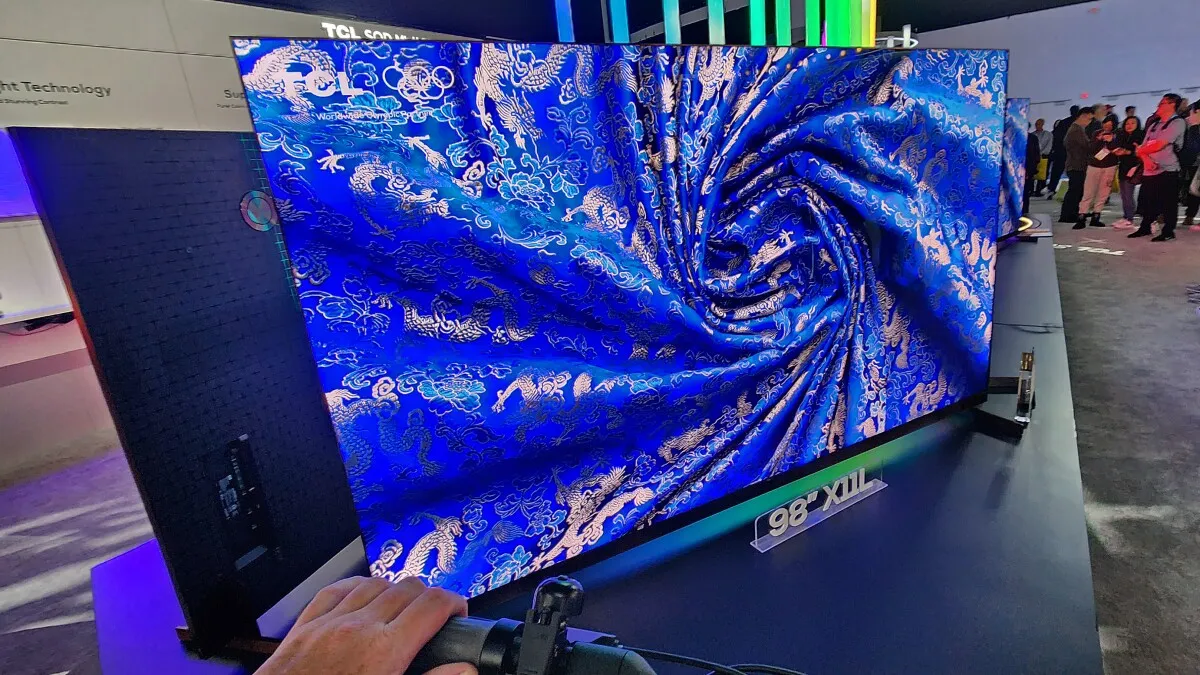
The textures on the 98-inch TCL X11 model looked "crazy amazing" at CES 2026
What this actually looks like
The X11L reaches 10,000 nits of brightness—roughly what you'd see on a sunny day—with 20,736 dimming zones controlling when and where that light appears. The result is contrast that feels almost aggressive. HDR content (the kind shot for theatrical release) doesn't just look good on this screen; it looks the way the filmmakers intended.
We're a new kind of news feed.
Regular news is designed to drain you. We're a non-profit built to restore you. Every story we publish is scored for impact, progress, and hope.
Start Your News DetoxTCL also made the TV thinner (2 cm) and nearly bezel-free, with a flat back that sits flush against a wall. There's an Art Mode that turns the screen into a gallery display when you're not watching, which matters if you're spending this much money on a living room centerpiece.
The catch
The 75-inch model costs $6,999.99. The 85-inch is $7,999.99. The 98-inch shown at CES is $9,999.99. These are luxury-tier prices for a TV, and they're not pretending otherwise.
But what's worth noting is the direction: display technology has been incrementally better for years. SQD represents a genuine shift in how color gets made, not just a marginal improvement in brightness or contrast. Whether this becomes standard across the industry—and whether the price drops—depends on whether other manufacturers adopt the approach. For now, it's a glimpse at what's technically possible when you stop compromising on the path between light source and human eye.