
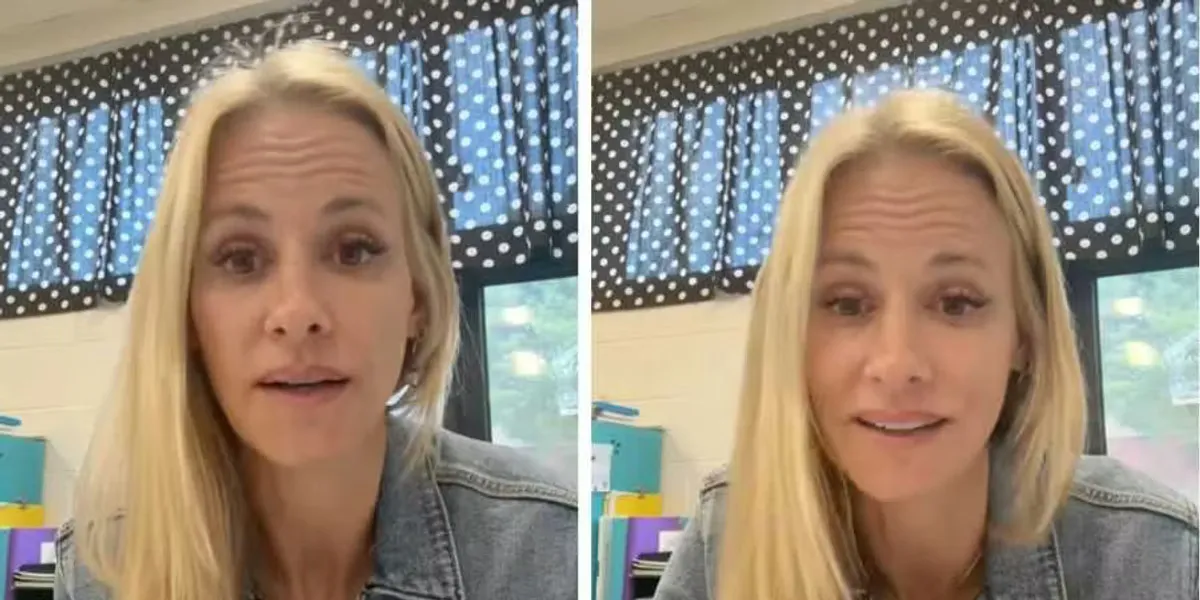
Shelby Rideout was substituting in a Tennessee third-grade classroom when two girls who were otherwise kind and fun started arguing. She didn't referee the conflict or ask them to apologize. Instead, she suggested something simpler: "Look for some common ground."
Without hesitation, the girls started naming connections. "Jesus" and "Ethiopian food." Then more. Within minutes, they'd moved from bickering to laughing together.
It's a small moment, but it points to something Rideout noticed in herself: "I feel like we're a world where everyone is looking for a problem. Why not look for how to get along?"
We're a new kind of news feed.
Regular news is designed to drain you. We're a non-profit built to restore you. Every story we publish is scored for impact, progress, and hope.
Start Your News DetoxWhy This Matters Beyond the Classroom
Rideout's instinct—that shared ground matters more than shared opinions—isn't just classroom wisdom. In an interview with Today, she argued it's how conflict actually resolves in the adult world too. "Whether someone leans left or right," she said, "most people are motivated by the same goal: to make things better."
That observation resonated widely. One former elected official shared that they'd used a version of this approach for 24 years, especially when working across party lines. Another person described making a deliberate effort to befriend a struggling coworker through extra kindness—they now get along beautifully.
The pattern is consistent: when people start by looking for what they share instead of what divides them, the temperature of the conversation changes. Not because the disagreements disappear, but because they're no longer the entry point.
Rideout's method doesn't require profound common ground. It can be peaches. It can be a coffee shop. It can be that you both dread Monday mornings. Small connections build trust, and trust makes harder conversations possible. The approach works because it reminds people of something they already know but often forget: that most humans aren't as far apart as they think.
The real insight here is that Rideout didn't invent anything complicated. She just redirected attention. Instead of asking "What's wrong?", she asked "What do we both care about?" Two eight-year-olds proved it works. The question now is whether the rest of us are willing to try it.