Terra Innovatum just moved from drawing board to real hardware. The startup has secured its first order for nuclear-grade graphite from Mersen, a major supplier, which means the company is finally holding the physical materials needed to build its SOLO micro-reactor in the US.
This might sound like a supply-chain detail, but it's actually the moment things get real. Nuclear projects notoriously get derailed by materials that take years to source. By locking in graphite now—a material that directly affects how safe and efficient the reactor runs—Terra Innovatum is basically saying: we're not waiting around. The company targets 2027 for its first reactor to actually start operating.
"We're aligning critical long-lead materials with our development schedule," said Alessandro Petruzzi, Terra Innovatum's co-founder and CEO. Translation: we've thought this through.
We're a new kind of news feed.
Regular news is designed to drain you. We're a non-profit built to restore you. Every story we publish is scored for impact, progress, and hope.
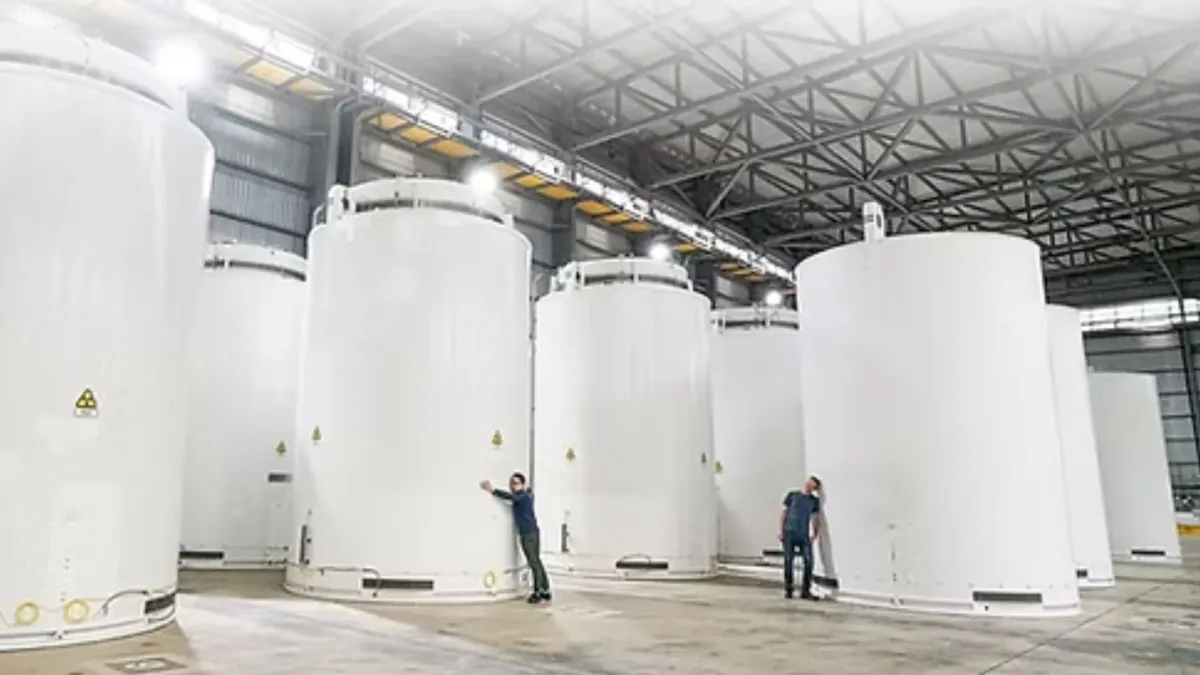
Start Your News DetoxThe graphite does two jobs in the reactor—it's structural and it helps manage heat. It's also one of those materials that can't be rushed. Mersen manufactures at 50 sites globally, so they can handle both the initial build and whatever comes next.
Why This Matters Now
The SOLO reactor is deliberately small. One megawatt of power. That's tiny compared to traditional nuclear plants, but that's the point. A reactor this size can tuck behind a data center, power a remote village, or run an industrial facility like a cement plant or mine. No massive cooling towers, no sprawling infrastructure.
It also uses mostly off-the-shelf commercial components, which sounds counterintuitive for nuclear but actually reduces costs and supply-chain risk. The design has been refined over six years by nuclear safety experts.
Earlier this month, the US Nuclear Regulatory Commission officially started its formal safety review. That process wraps up by October 2026, keeping the 2027 timeline realistic.
Terra Innovatum already has non-binding commitments for up to 100 units, with potential sites in Illinois. The modular design means multiple reactors could cluster together to hit one gigawatt of power—enough to replace a fossil-fuel plant without the emissions.
The real shift here: nuclear is finally moving past the "someday" phase into "we're building this next year." Graphite in hand, regulatory process underway, customers lined up. That's execution.