The Olympic cauldron lighting is meant to be a moment of precision, symbolism, and grace. It's the official start of the Games, watched by millions, rehearsed endlessly. Which is exactly why it's so memorable when things don't go according to plan.
Some torch lightings have become legendary for their elegance — Muhammad Ali emerging from the darkness in Atlanta 1996 is the gold standard. But the Games have also given us moments that are far stranger, more precarious, or just plain awkward. These are the ones that stick with you.
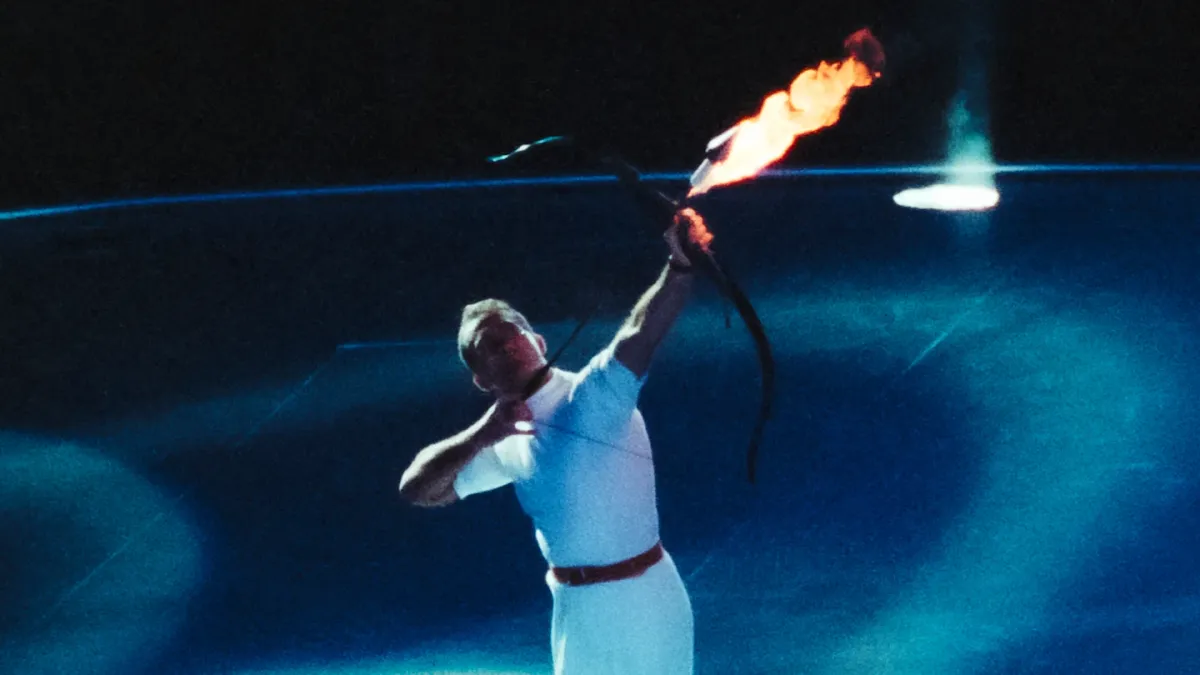
Barcelona 1992: The Archer's Gamble
Spanish Paralympian Antonio Rebollo was chosen to light the cauldron using a skill most torch-lighters don't possess: archery. The plan was audacious — he would fire a flaming arrow through the gas emitted from the cauldron to ignite the Olympic flame.
We're a new kind of news feed.
Regular news is designed to drain you. We're a non-profit built to restore you. Every story we publish is scored for impact, progress, and hope.
Start Your News DetoxThe margin for error was razor-thin. If the arrow missed the gas stream, the cauldron wouldn't light. If it overshot the stadium, a flaming projectile could land in the crowd. Organizers planned for the arrow to land safely in a sandbox outside the stadium as a fail-safe. Rebollo didn't miss. The arrow flew true, the cauldron ignited, and Barcelona had one of the most visually stunning torch lightings ever attempted.
Seoul 1988: A Peace Symbol Gone Wrong
The 1988 Seoul opening ceremony planners wanted to release doves as a symbol of peace during the cauldron lighting. What they didn't account for was where the doves would go once released.
When the three torch-lighters were lifted to light the cauldron, some of the birds had already found what seemed like a perfect vantage point to watch the ceremony: perched on the cauldron itself. When the flame ignited, the birds didn't escape in time. It's a moment that haunts the memory of that otherwise triumphant Games — a well-intentioned symbol that turned tragic.
Vancouver 2010: The Missing Fourth Arm
Vancouver's opening ceremony featured a striking visual: four Canadian athletes lighting a four-armed cauldron in the center of the stadium. Wayne Gretzky, Steve Nash, Catriona Le May Doan, and Nancy Greene each had a torch and a corresponding arm to light.
Except one arm never rose from the floor. When Le May Doan stepped forward with her torch, she was left standing with nothing to ignite — a moment of awkward silence broadcast to the world. Organizers later blamed a mechanical failure. It's the kind of glitch that no amount of rehearsal can fully prevent, and it became the image that overshadowed an otherwise flawless ceremony.
Lillehammer 1994: The Backup Plan That Worked
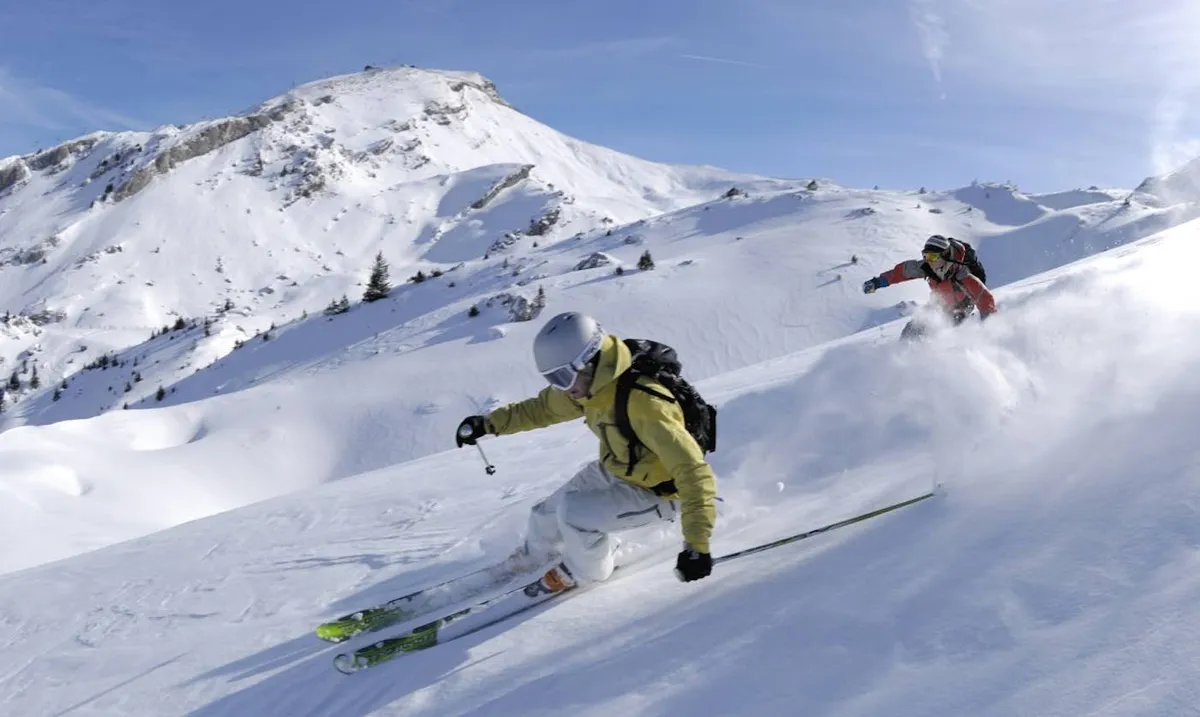
The 1994 Winter Games in Norway planned for a ski jumper to carry the lit torch into the stadium during the opening ceremony. It was a dramatic concept — athletic, daring, uniquely Norwegian.
Then the original torch-bearer, Ole Gunnar Fidjestol, was injured during a practice run. In his place came Stein Gruben, the backup jumper. On the night of the ceremony, Gruben launched from the jump, the torch held steady in his hand, and landed safely with the flame still burning. Sometimes the backup plan works perfectly.
These moments remind us that even the most meticulously planned global spectacles are ultimately human events — and humans, no matter how prepared, are unpredictable.