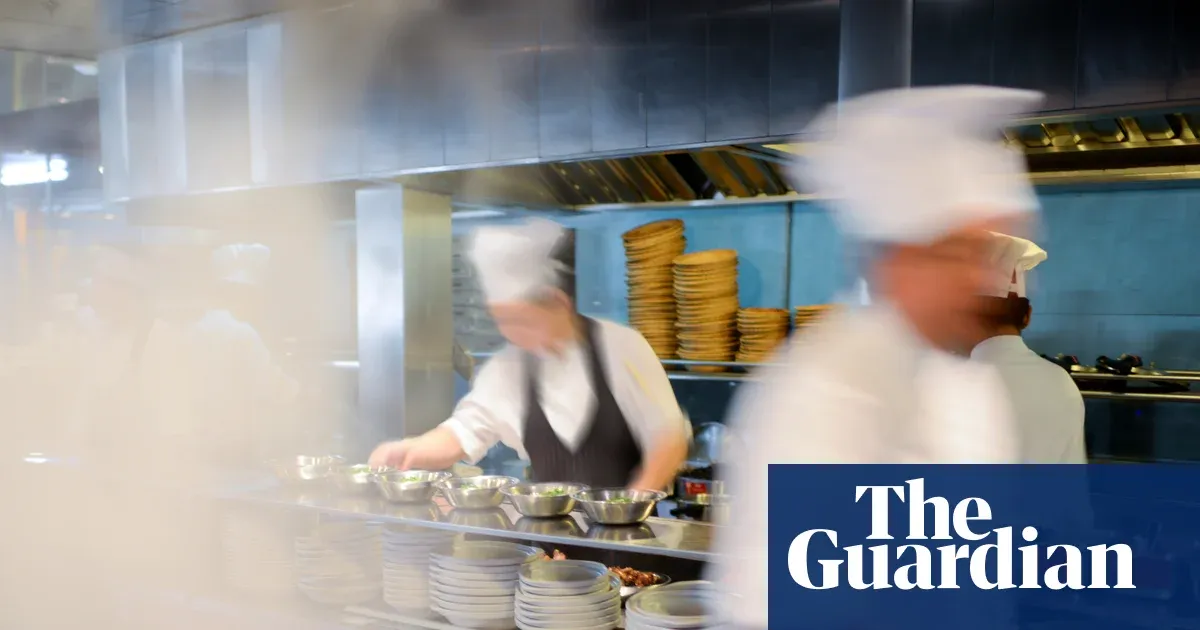
Restaurant kitchens are famously hot, but recent heatwaves have made them dangerously so. Some UK restaurants even closed or cut hours for staff safety. While there's no maximum working temperature, many kitchen staff have endured "furnace-like" conditions.
Now, some chefs are suggesting a solution: switching from gas to electric induction cooking. This change can lower kitchen temperatures by up to 10°C because induction cookers only heat the pan, not the air. They are also more efficient, safer, and help air conditioning work better.
Chefs Embrace Induction
Many chefs have been slow to adopt induction, partly due to the "theatre" of flames. However, Jeremy Pang, a third-generation Chinese chef and founder of the School of Wok, found that electric induction can achieve the same high temperatures and cooking quality as gas.
We're a new kind of news feed.
Regular news is designed to drain you. We're a non-profit built to restore you. Every story we publish is scored for impact, progress, and hope.
Start Your News DetoxPang was initially worried about achieving "wok hei," the smoky flavor crucial to Chinese cooking. But he discovered he could reach 350-400°C with induction, creating the same smoke and flavor using carbon steel woks with oil. He noted that while gas cookers are good, the heat they produce is a major problem.
Benefits Beyond Temperature
Switching to induction offers several advantages. A report from the Global Cooksafe Coalition found that restaurants could save thousands on energy bills. One gastropub cut its energy use by nearly two-thirds, saving £9,000 annually. The cost of the upgrade paid for itself in three years, with projected savings of £65,000 over 10 years.
Ellen Chew, founder of Rasa Sayang in London, found an unexpected benefit: quieter kitchens. Gas burners are noisy, but induction hobs are silent. She noted that the atmosphere is now "super quiet," making it a "gamechanger" once chefs experience the difference.
The environmental impact is also positive, with the gastropub's carbon emissions falling by about two-thirds.
Chantelle Nicholson, who chose electric hobs for her Apricity restaurant in Mayfair, highlighted cleaning and safety. Induction hobs are easier and quicker to clean, which staff appreciate. She recalled getting burn marks from scrubbing gas hobs and noted that gas repairs are difficult. Induction, she said, is "controllable and really reliable."
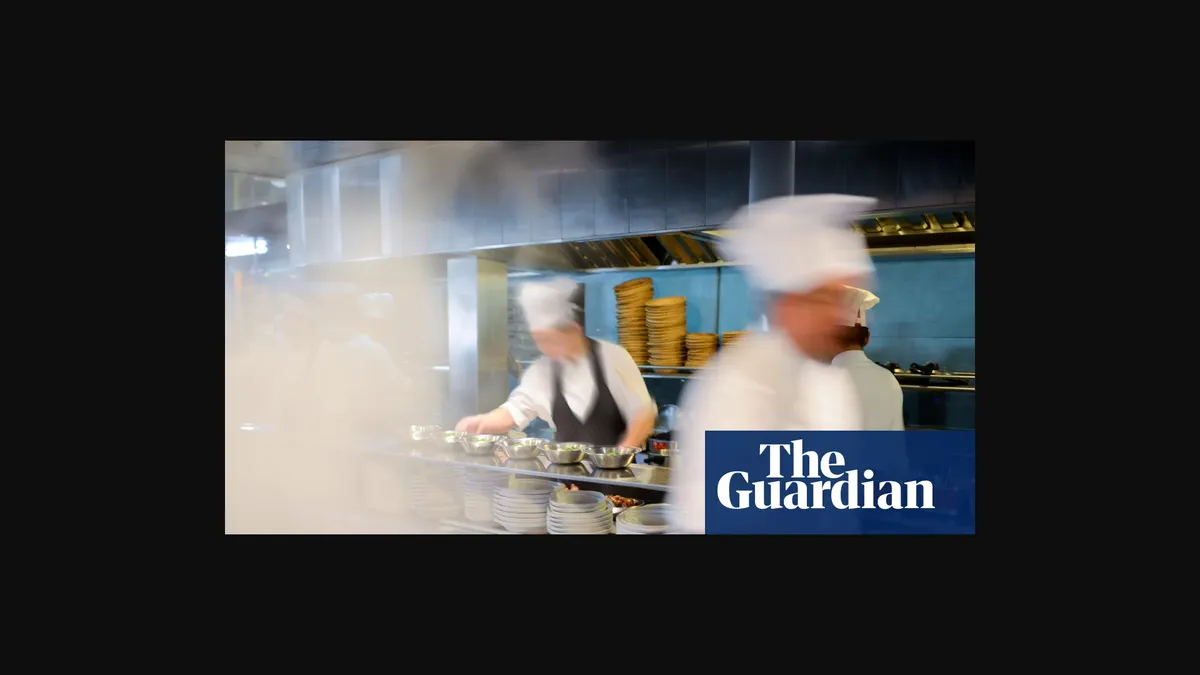 Photograph: Beca B Jones/The Guardian
Nicholson also pointed to studies linking gas cookers to harmful pollutants and asthma. She believes "electric is clearly the way forward." Diners at Apricity have even complimented the calm kitchen environment. The restaurant earned a Michelin Green Star for its efforts.
Lower kitchen temperatures also mean less strain on refrigerators and reduced need for air conditioning and ventilation. Chet Sharma, chef-patron at London’s Bibi restaurant, said, "A hot kitchen doesn’t really exist with induction, since there is no heat loss. Induction is super-efficient. It keeps our bills down and keeps the staff happier, not sweating away at the stoves all day."
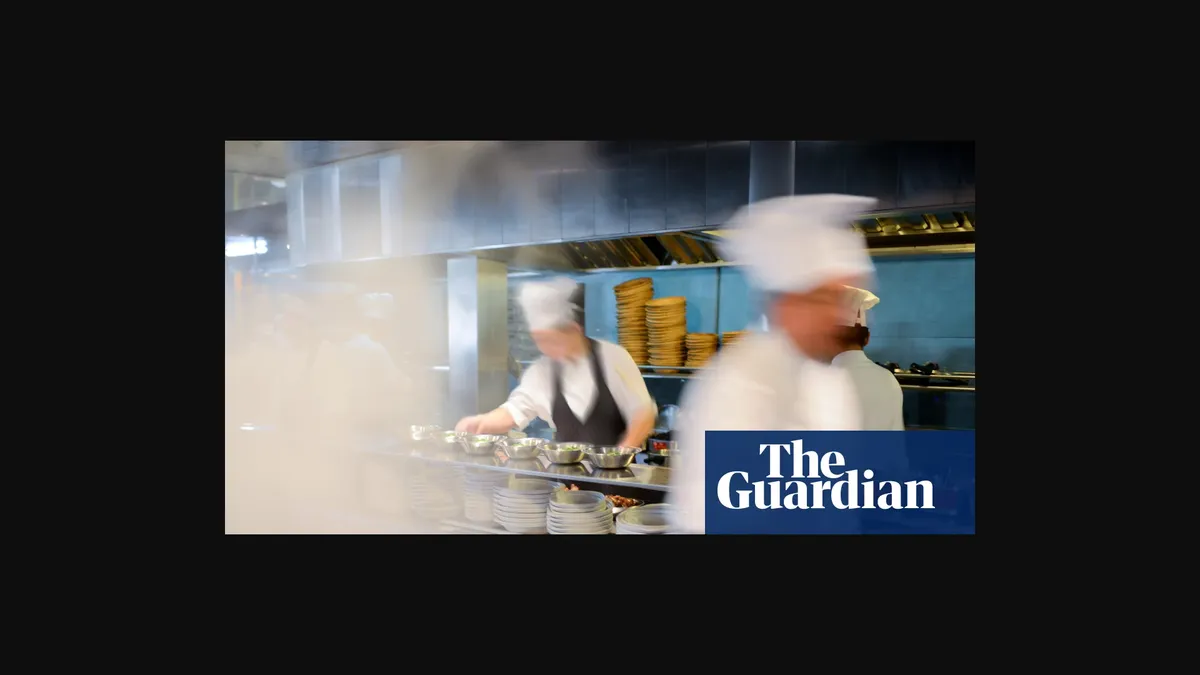 Photograph: Getty Images
Luke Burgess, owner of Scholé in Australia, found that cleaning time for a cooktop dropped from 24 minutes for gas to just 21 seconds for induction. He calculated this saved over AU$30,000 (£15,700) in wages annually.
Camilla Born, chief executive of Electrify Britain, advocates for cheaper electricity to encourage businesses and consumers to switch from gas. She urged the government to remove levies and policy costs from electricity bills and speed up the rollout of electric heating and cooking systems.