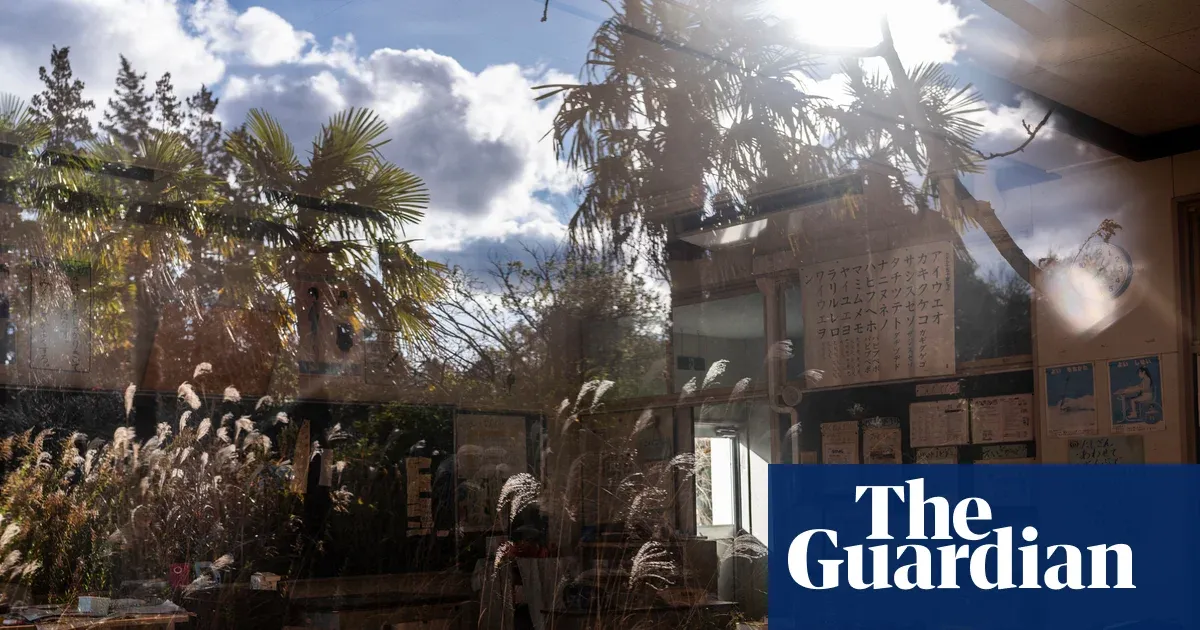
Norio Kimura stands in Kumamachi primary school, looking at textbooks still scattered across desks and pencil cases on the floor. On March 11, 2011, a magnitude-9 earthquake sent children running from this classroom. The tsunami that followed killed over 20,000 people along Japan's northeast coast. Kimura's seven-year-old daughter Yuna made it home just before the wave arrived. She didn't survive.
Fifteen years later, the playground outside has become something else entirely. Weeds and wild grass tangle across the ground. A metal ladder has fused with the trunk of a tree, untouched for a decade and a half. Rusting bicycles rest in the undergrowth. Nature has simply taken back what humans abandoned.
What happens when people disappear
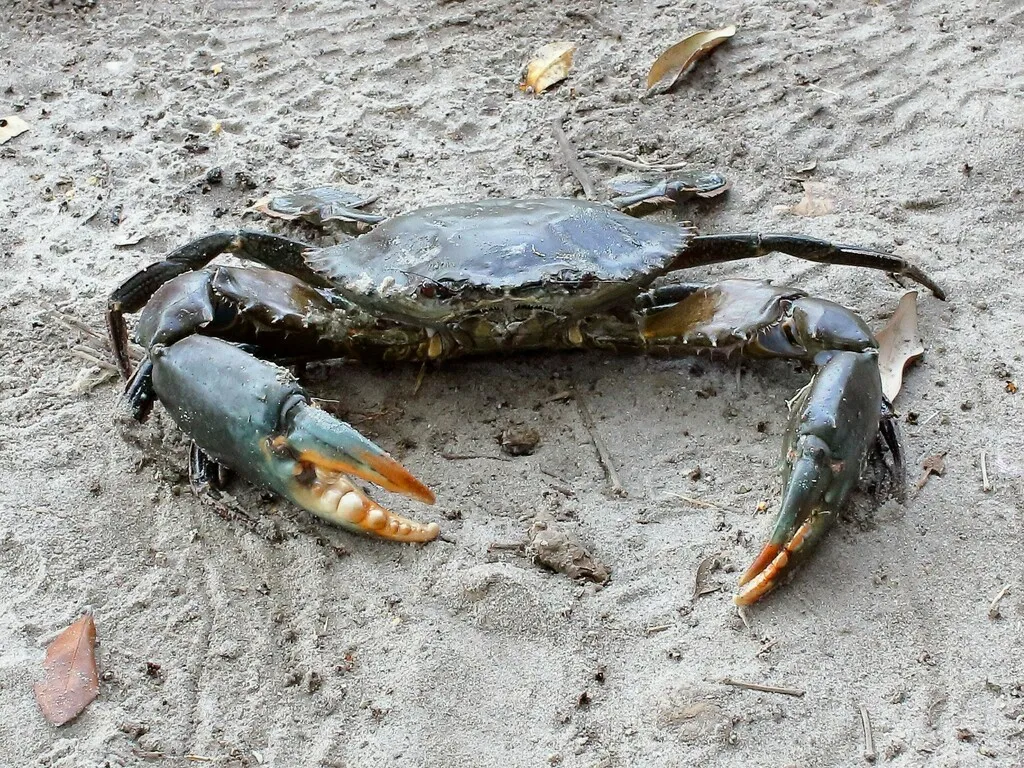
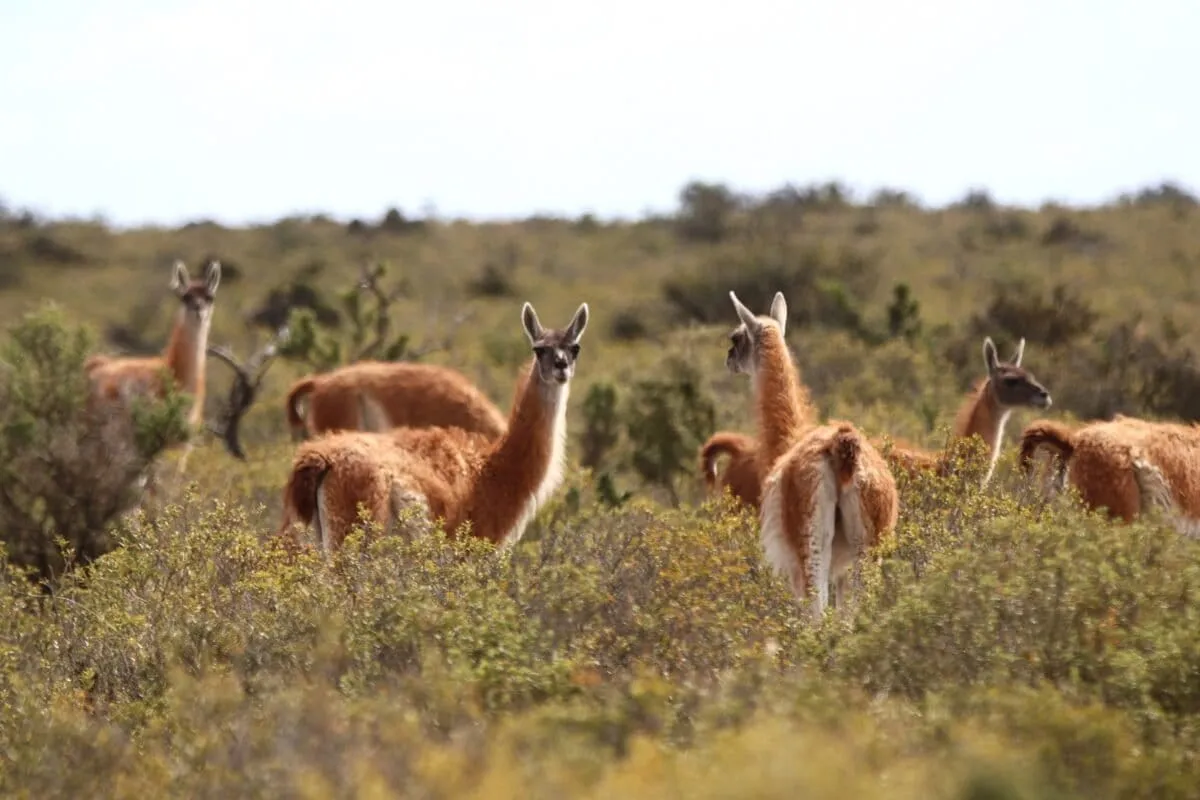
In Okuma and other towns near the Fukushima Daiichi nuclear power station, the absence of humans has created an unexpected outcome. Gardens have become jungles. Homes now shelter wild boar, raccoons, and black bears at night. The caesium-137 released by the reactor has settled into forests, streams, and wildlife — yet something surprising happened. Animal populations didn't collapse. They grew.
We're a new kind of news feed.
Regular news is designed to drain you. We're a non-profit built to restore you. Every story we publish is scored for impact, progress, and hope.
Start Your News DetoxWild boar numbers increased. Bear populations expanded. Raccoon families thrived. "The only animals in danger in these areas may be humans," says Prof Vasyl Yoschenko, a Ukrainian expert on forest radioecology. Radiation didn't trigger the ecological collapse many feared. Instead, the absence of human activity — farming, hunting, development — allowed wildlife to flourish despite the contamination.
This creates a strange tension for the region. Radiation levels are slowly dropping. Authorities want to bring people home. But some experts argue that limiting human use of certain areas could be "hugely beneficial" for wildlife, according to Thomas Hinton, a retired Fukushima University professor. The question isn't just whether the land is safe for people. It's whether reclaiming it for human use is the right choice.
The cost of return
Sanjiro Sanpei lost his cattle farm in the disaster. He wants to go home. But radiation levels in his area are still deemed too high for permanent residence. "We never thought we would be away for so long," he says. "I was convinced that we would be back within a year. But now it could be about 30 years until the entire village is safe."
That timeline — three decades of displacement — haunts the region. Some people have already built new lives elsewhere. Others are caught between a home they've lost and a future they can't quite reach.
Kimura has a different vision. He's urging the council to preserve Kumamachi primary school not as a place to return to, but as a place to remember. He wants it transformed into an "eco-museum" — a space where visitors can learn about the 2011 triple disaster and what it cost. "Making the entire area into a museum would more realistically convey the history of this area that has been lost and the lessons of the nuclear accident," he says. "I think it would be good to have a place to return things to nature. Humans have gone too far."
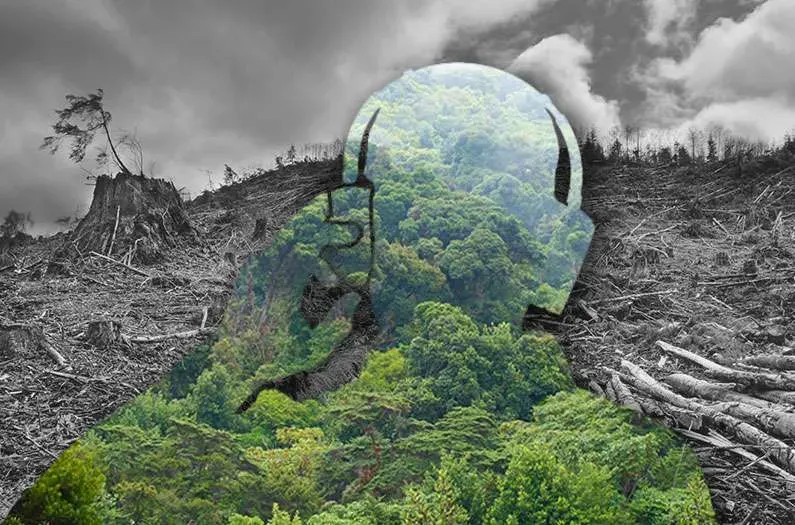
It's a quiet argument for a different kind of recovery — one that doesn't necessarily mean putting everything back the way it was. The Fukushima exclusion zones have become an unintended nature reserve. As radiation gradually fades and decisions about resettlement loom, the region faces a choice between reclamation and preservation. The answer will shape not just what happens to these towns, but what we learn from the disaster that emptied them.