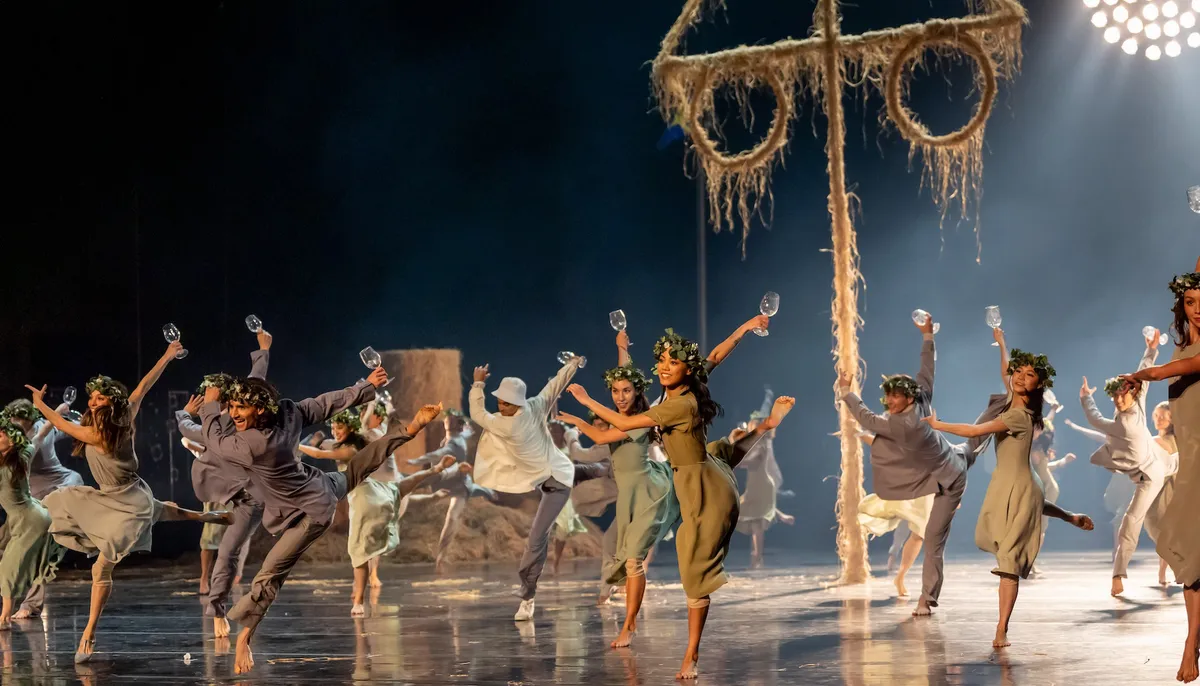
The Joffrey Ballet is performing Alexander Ekman’s Midsummer Night’s Dream at Cal Performances from April 17-19. This production draws on Nordic folklore, not Shakespeare. It features a stage covered in real hay and focuses on Swedish Midsummer traditions.
Linda Rugg, a UC Berkeley professor emerita of Scandinavian studies, shared insights into the ballet. She explained why the summer solstice is so important in Nordic culture and how the ballet shows the thin line between human and supernatural worlds.
The Importance of Midsummer
Midsummer is central to the Joffrey Ballet's production. In Scandinavia, the winter and summer solstices have been celebrated since ancient pagan times. The summer solstice marks the longest day of the year.
We're a new kind of news feed.
Regular news is designed to drain you. We're a non-profit built to restore you. Every story we publish is scored for impact, progress, and hope.
Start Your News DetoxPeople in the far north pay close attention to the changing length of days. This is because there's a huge difference between summer and winter. In summer, the sun doesn't set for weeks. In winter, weeks pass with no sun. Even further south, like in Stockholm, Oslo, and Copenhagen, summer days are very long, and winter nights are very long.
Because of this, rituals grew around the longest night and day. These events signal that the cycle is about to reverse. The winter solstice celebrates the return of light. Midsummer, the summer solstice, celebrates the longest period of light, knowing that darkness will soon return.
Supernatural Beliefs and Nature's Role
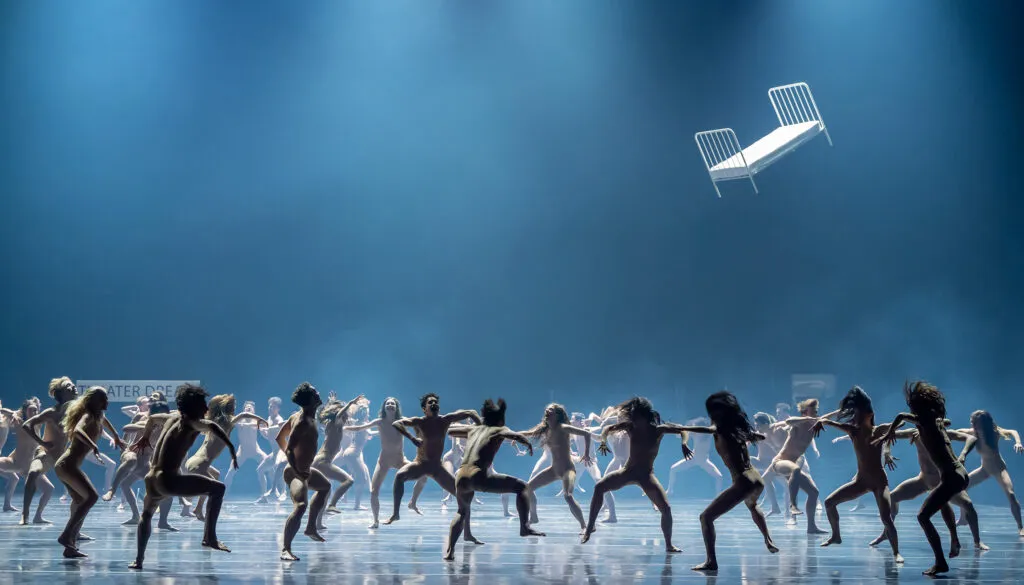
The ballet takes a surreal turn at night. In Nordic folk belief, Midsummer Eve was a time when the barrier between the present and future, living and dead, and human and magical could be lifted. Trolls were believed to dance, mermaids appeared, and all creatures could speak. Witches were active, and magic spells were powerful.
Dancers in the ballet interact with hay and flowers. Nature and prophecy are especially strong on Midsummer’s Eve. People believed plants and natural features held supernatural power. They wove wreaths of flowers and grasses to wear for protection.
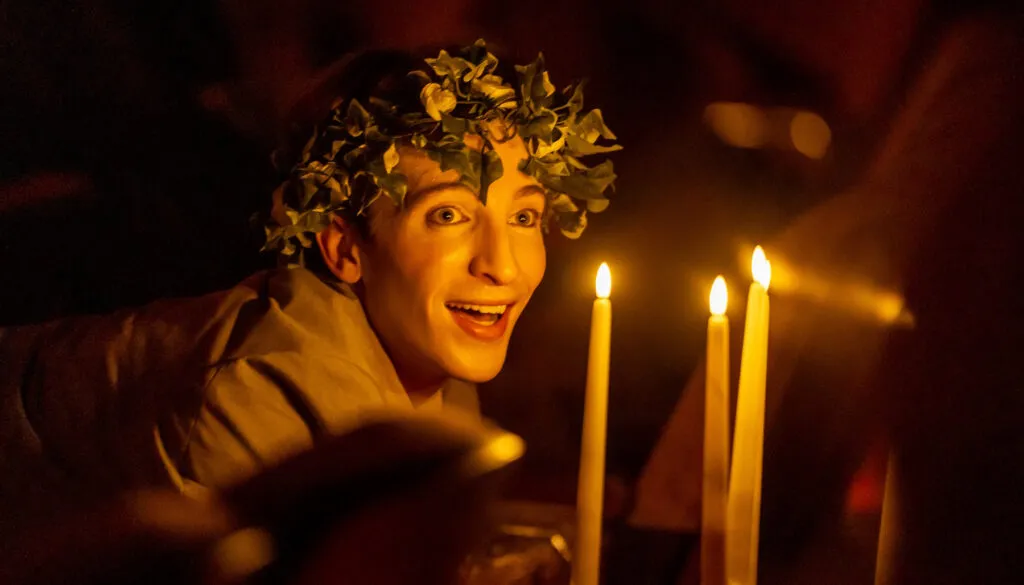
Farmers would cut a small amount of hay at midnight on Midsummer’s Eve and save it until Christmas. This hay was thought to protect against sickness and evil spells. If a farm animal ate it, wolves would not attack.
A common tradition, still practiced today, involves unmarried women picking seven kinds of wildflowers. They place these under their pillow before bed to dream of their future husband. The flowers must be picked in silence for the magic to work.
Festive Spirit and Magical Water
Dancing is a key part of the Midsummer celebration. A tall pole decorated with flowers forms the center for dancing, with traditional folk music and dances. Ekman includes this in his choreography, though the dance becomes surreal.
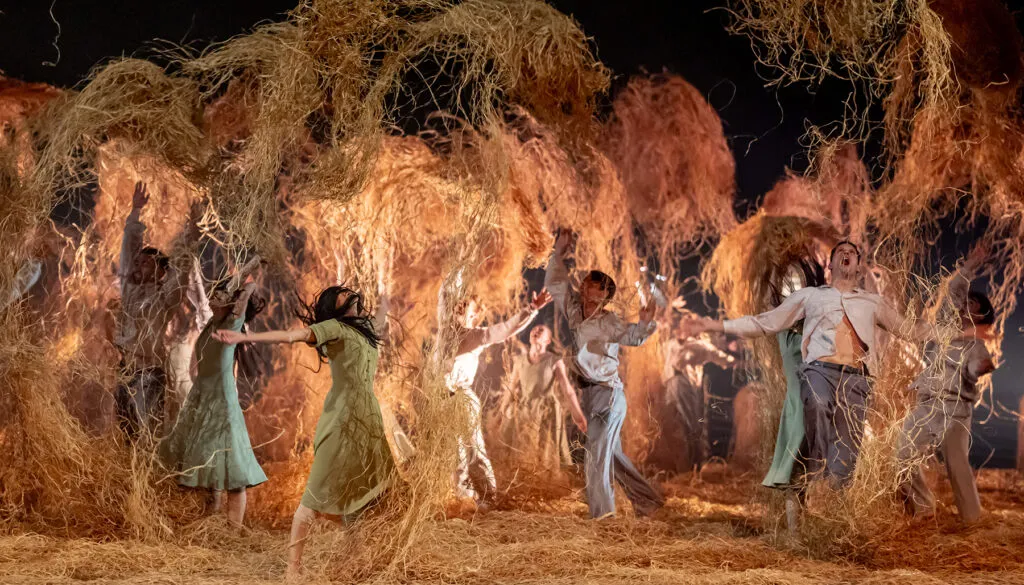
In Sweden, people also gather for allsång, or communal singing. The holiday originally fell between planting and harvesting, so it was strongly linked to agriculture. The hay scenes in the ballet reflect this, along with the belief that hay cut at Midsummer had magical properties.
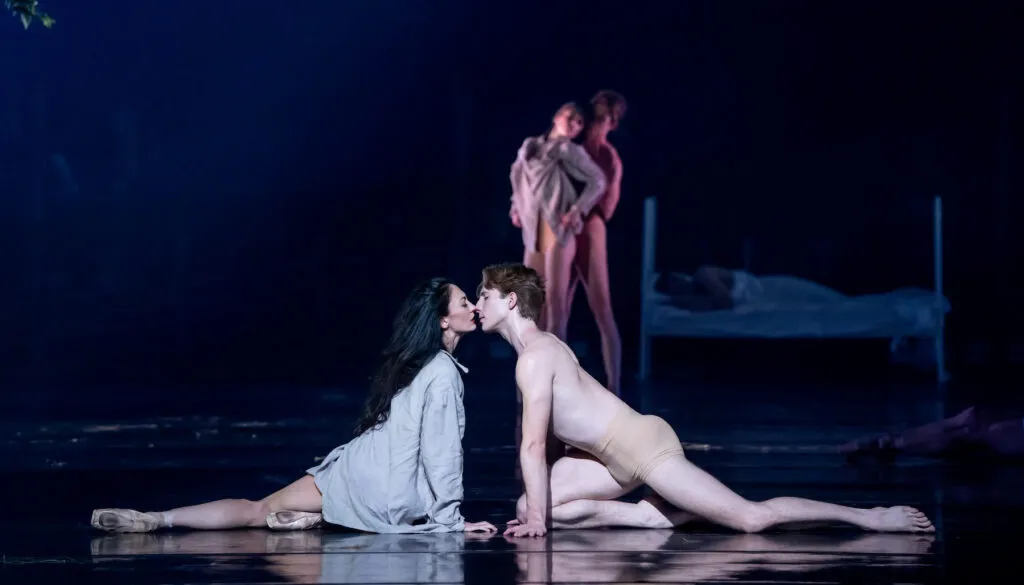
The production uses striking images of water and swimming. Water, especially dew that falls on Midsummer Eve, was believed to be very healthy. Drinking water (especially collected dew), swimming, or rolling naked in dew-covered grass were ways to gain health and strength. Certain well water was thought to be especially powerful, so drinking from wells was also an early ritual.
The Midnight Sun and Social Behavior
The midnight sun, or lack of true darkness, traditionally removes many social inhibitions. This can be due to the amount of alcohol consumed during the holiday. Historically, the highest number of Swedish children are born around March 21-22, nine months after Midsummer. However, the extreme "madness" seen in films like Ari Aster’s 2019 Midsommar is not typical.
Summer is a deeply anticipated season in Nordic countries. People long for the return of light and warmth, and the freedom from work that Midsummer brings. Most people take vacation around or after Midsummer, often going to summer cottages. Scandinavians are largely "sun worshippers."