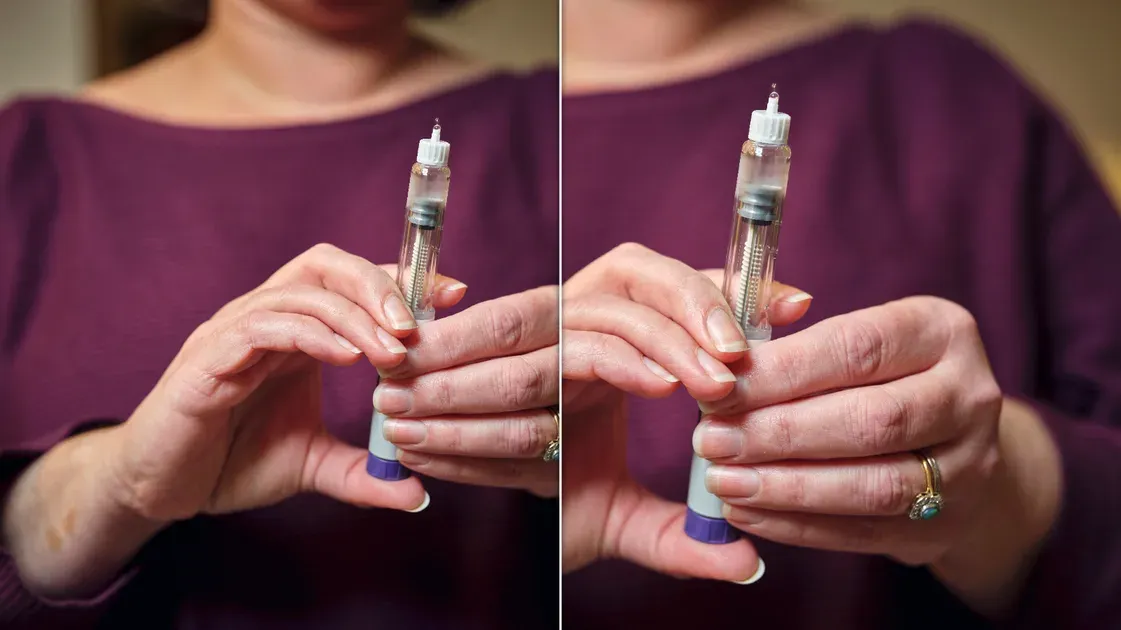
Those GLP-1 medications, the ones currently reshaping dinner tables and social media feeds, might be doing a lot more than just helping people shed pounds. Think beyond fitting into old jeans; think potentially dodging a breast cancer diagnosis.
Turns out, these popular drugs — Ozempic, Wegovy, and their cousins — which about one in eight Americans are now taking for various health reasons, aren't just good for blood pressure, heart health, and liver function. They might also be quietly working behind the scenes to reduce your risk of breast cancer. Because apparently, that's where we are now: your weight loss shot might also be your cancer prevention tool.
The Unexpected Bonus Round
A new study published in JCO Oncology Practice dropped this intriguing tidbit. Researchers at Penn Medicine dove into the data of over 111,000 women, all between 45 and 80, and all with a BMI of 25 or higher (aka, overweight). What they found was a pretty significant statistical shrug: women taking GLP-1 medications had a 30% lower chance of developing breast cancer.
We're a new kind of news feed.
Regular news is designed to drain you. We're a non-profit built to restore you. Every story we publish is scored for impact, progress, and hope.
Start Your News DetoxLet that satisfying number sink in. A 30% lower chance. Which, if you think about it, is both impressive and slightly terrifying in its unexpectedness. The study didn't track which GLP-1 or how long women were on it, nor did it factor in genetic risks. But as lead author Dr. Elizabeth McDonald noted, it's another piece of evidence suggesting these drugs could be a powerful tool in cancer prevention.
So, what's the magic trick? Experts have a few theories. The big one is simply the weight loss itself. Obesity is a well-established risk factor for breast cancer, especially for women post-menopause (which, conveniently, is the average age of 52 in the U.S., right in the study's sweet spot). Less weight, less risk. Simple, elegant, and effective.
Another theory points to inflammation. GLP-1s are known to dial down inflammation in the body, and some research suggests a link between chronic inflammation and the development of breast cancer. So, while you're dropping a dress size, your internal inflammatory markers might also be taking a vacation.
Of course, age, dense breasts, family history, and a penchant for happy hour also play a role in breast cancer risk. But it's nice to know that some of the factors are, well, actionable.
Keep an Eye Out
Naturally, all the usual advice still applies: know your body, check for lumps (or dimpling, nipple changes, discharge—you know the drill), and talk to your doctor if anything feels off. Mammograms generally kick off around age 40 for average-risk individuals, but your personal risk profile might shift that timeline.
While GLP-1s potentially add a new layer of protection, maintaining a healthy diet, regular exercise, and a healthy weight remain your steadfast allies. And if your doctor mentions a GLP-1 for your health goals, you now have one more unexpected, potentially life-changing benefit to consider.