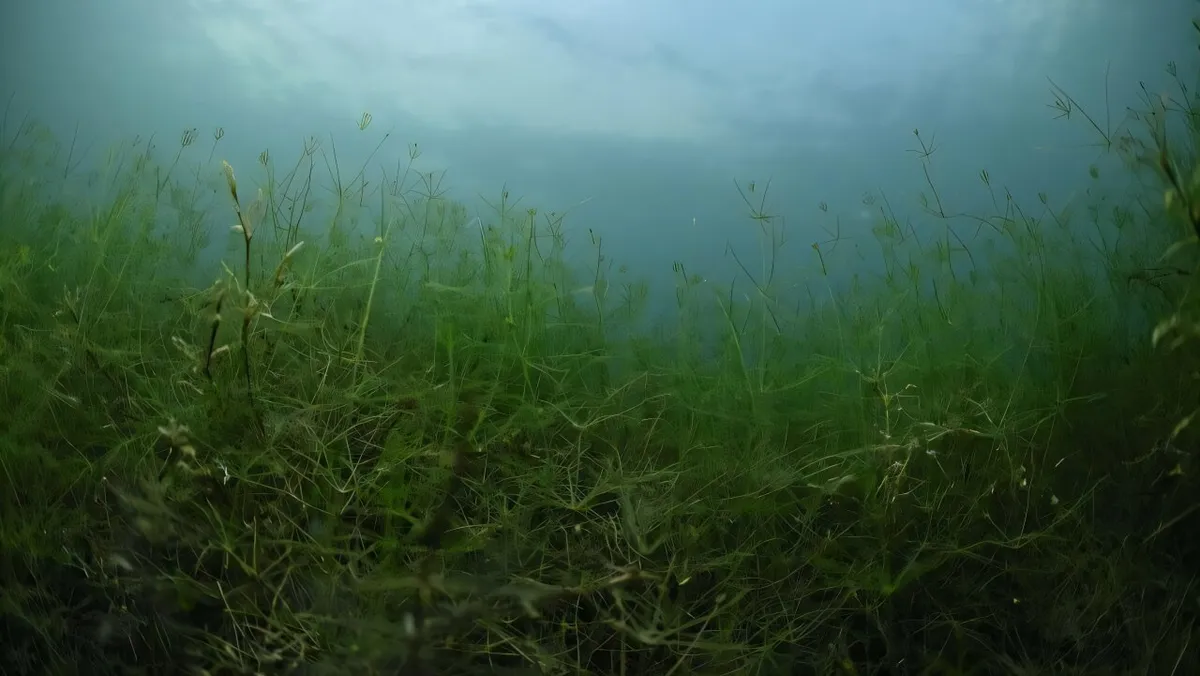
For over a century, a quiet collapse has been unfolding beneath the surface of European lakes. Charophytes—delicate underwater plants that once thrived in clear waters—have nearly vanished. But researchers in northeastern Germany have now shown that bringing them back works, and works reliably.
Charophytes are not glamorous. They don't have the charisma of fish or birds. But they do something essential: they stabilize lake beds, produce oxygen, clear murky water, and create shelter for hundreds of species that depend on them. Without them, lakes become biological deserts. With them, life returns.
A team from the Leibniz Institute of Freshwater Ecology in Berlin spent years testing how to revive these plants in 27 lakes across northeastern Germany. They tried different approaches—adjusting water chemistry, managing fish populations, protecting plants from being eaten—and tracked what actually worked. The results are striking: in 77% of the lakes where they intervened, charophytes came back. In the comparison lakes where nothing was done, nothing changed.
We're a new kind of news feed.
Regular news is designed to drain you. We're a non-profit built to restore you. Every story we publish is scored for impact, progress, and hope.
Start Your News Detox"This is the first time we've had a playbook," says Sabine Riewenherm, President of the Federal Agency for Nature Conservation. What she means is that lake managers now have a practical toolkit. They can look at their own lake's conditions and know which interventions will work for them, rather than guessing.
The significance runs deeper than one plant species. Charophytes are what ecologists call a "keystone species"—remove them, and the whole structure collapses. Restore them, and the ecosystem rebuilds itself. A lake that was a green, oxygen-starved soup becomes clear again. Fish return. Insects return. Birds return. The biodiversity that was lost starts coming back.
What makes this work is that the researchers didn't try to force one solution everywhere. Some lakes needed different water chemistry. Others needed changes to how many fish were living in them. The point was to understand each lake's specific problem and match it to a specific fix. That kind of precision matters when you're trying to undo a century of decline.
The study focused on hard-water, nutrient-poor lakes in Germany, but the principles are already being applied across Europe. Other regions are now running their own reintroduction programs using the same framework. It's early, but the trajectory is clear: we're learning how to reverse one of the quieter ecological losses of the industrial era.