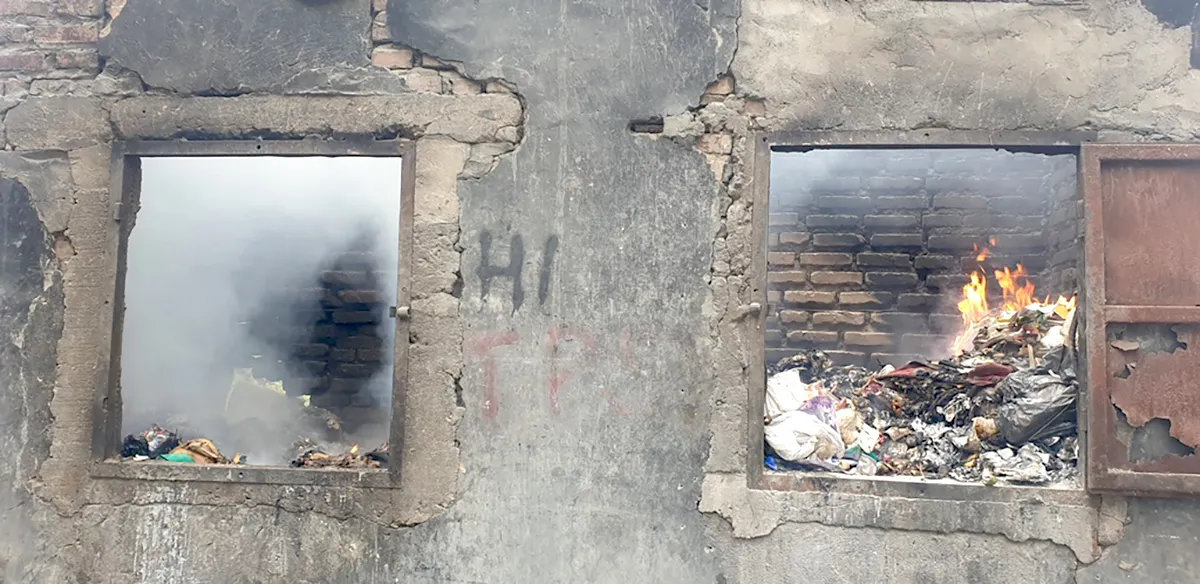
The Village of Sauget, Illinois has 134 residents and a complicated history. It was incorporated in 1926 specifically to host chemical manufacturing — Monsanto executives founded it as an industrial zone with deliberately lax pollution laws. A century later, the surrounding East St. Louis metro area (700,000 people) still lives with the consequences: children here suffer asthma at rates well above the national average, and residents have long complained of acrid smells drifting from the Veolia incinerator that's operated nearby since 1999.
In 2023, a local faith group called United Congregations of Metro-East saw a path forward. They proposed installing air quality monitors on six churches within 10 miles of the incinerator, then paying scientists to analyze the data and establish whether the facility was actually making people sick. The Biden EPA's Community Change Grant program would fund it — $500,000 to finally answer a question residents had been asking for years.
Only two monitors went up before the grants were terminated in early 2025. The Trump administration froze 106 similar grants across the country, totaling at least $1.6 billion, calling them part of the "green new scam." Without the funding, Darnell Tingle's organization couldn't afford to pay scientists to interpret the data they'd collected. A CDC study confirmed the gap: without adequate EPA data collection, they couldn't determine the health impacts of the incinerator at all.
We're a new kind of news feed.
Regular news is designed to drain you. We're a non-profit built to restore you. Every story we publish is scored for impact, progress, and hope.
Start Your News DetoxThe Ripple Effect
This wasn't money funneled through state bureaucracies or tied to federal infrastructure projects. The Community Change Grants were designed to go directly to frontline communities — neighborhoods that had been overlooked by traditional environmental funding channels. They were working. In Pocatello, Idaho, unsewered neighborhoods facing nitrate contamination in their drinking water lost their remediation funding. In the South Bronx, a waterfront park revitalization stalled. The Flandreau Santee Sioux Tribe in South Dakota watched their plans for resilience hubs, home weatherization, and solar panels disappear.
Zealan Hoover, who advised Biden's EPA administrator, described what happened next: "For many communities, they've been going through the stages of grief. First was disbelief, because they know the merits of these projects. That has evolved into disappointment that the agency has been unwilling to reconsider."
Some organizations are hunting for alternative funding sources. Others are pursuing litigation. But the void left by $1.6 billion in withdrawn grants is proving difficult to fill. Communities that had finally secured resources to address decades-old environmental problems are now competing for smaller pots of money that were never designed to cover this scale of need.
"Everybody is scrambling for the same pot of money, and there isn't enough of it," said Rhonda Conn of Native Sun Community Power Development.
The question now isn't whether these projects had merit — the evidence was already there. It's whether communities will find another way to answer the health questions they've been asking for years.