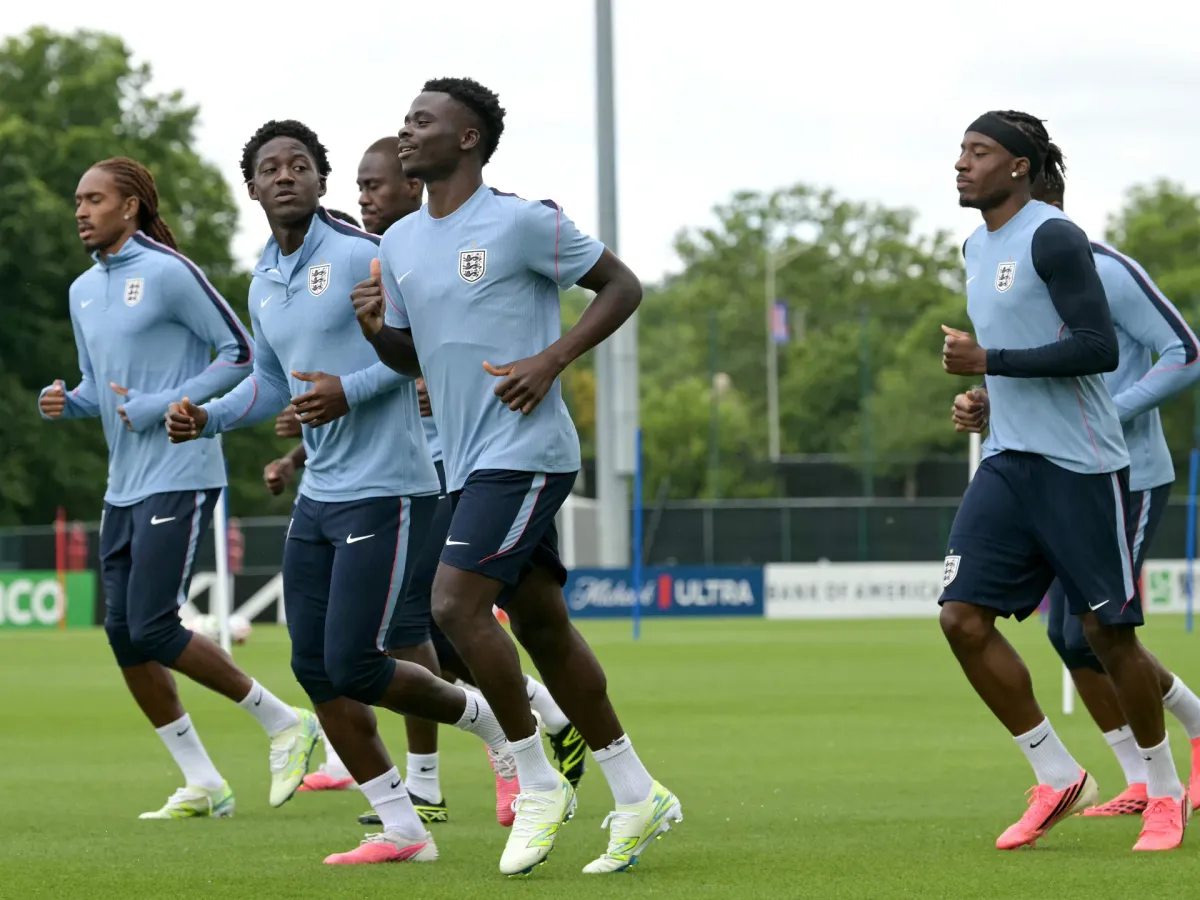
When England faces off against a former British colony like Ghana, the team sheets tell a story far more complex than just 90 minutes of football. Take Kobbie Boateng Mainoo, a promising young talent suiting up for England, while Brandon Thomas-Asante, Jerome Opoku, and Antoine Semenyo play for Ghana. All four were born and bred in England, steeped in its football culture, and share Ghanaian heritage. Their choices? A masterclass in modern allegiance.
It’s a pattern you see across the English squad: many players are the sons or grandsons of immigrants from former British colonies in the Caribbean and Africa. Turns out, football isn't just a game; it's a living, breathing history lesson, complete with dramatic plot twists and unexpected family reunions.
The Passport Paradox
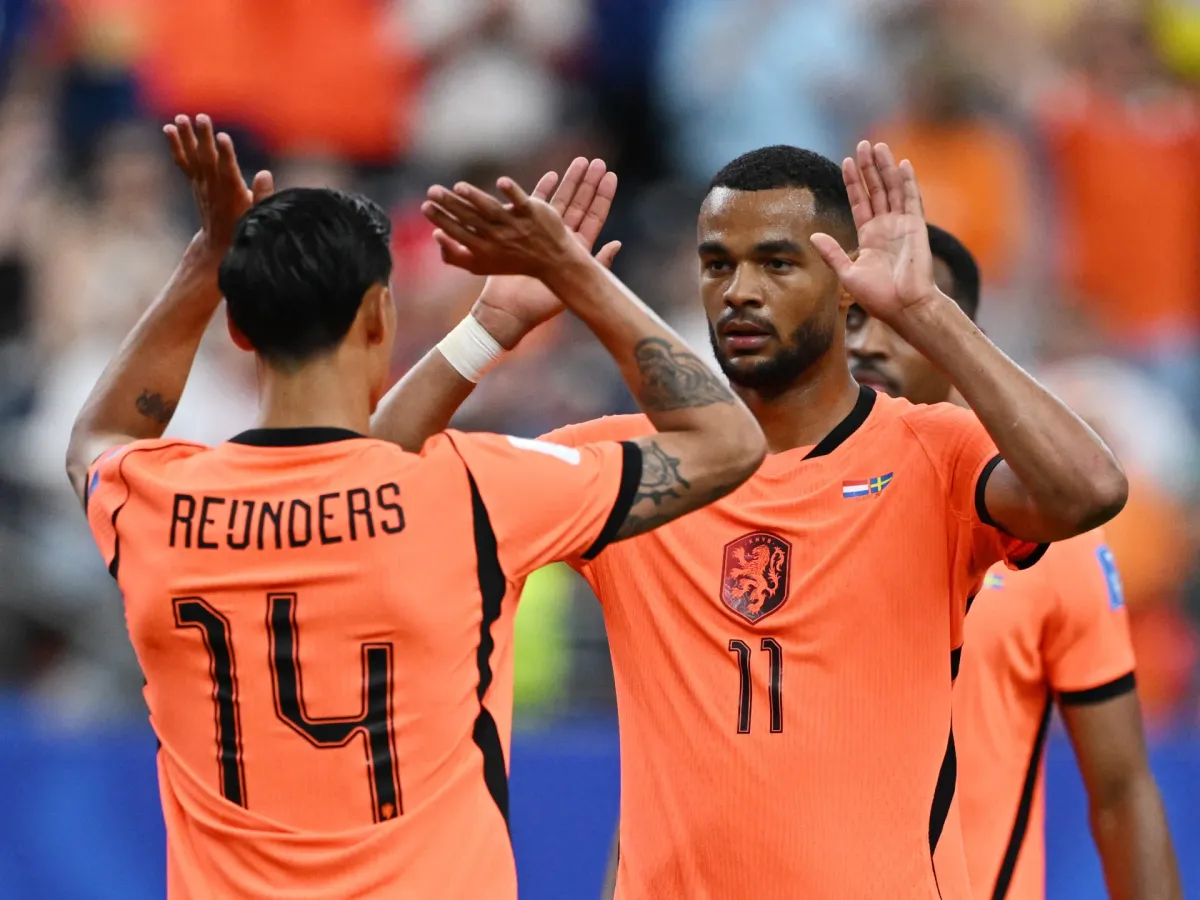
Something fundamental has shifted in international football, and the numbers from the Migration Observatory at Oxford University are pretty stark. At the 2006 World Cup, less than 9% of players represented a country different from their birthplace. Fast forward to 2026 (yes, they're looking ahead), and nearly a quarter of the 1,248 players will be doing just that. FIFA’s eligibility rules, once a bit stuffy, have loosened up, letting players who grew up in Europe's premier academies choose their ancestral nations.
We're a new kind of news feed.
Regular news is designed to drain you. We're a non-profit built to restore you. Every story we publish is scored for impact, progress, and hope.
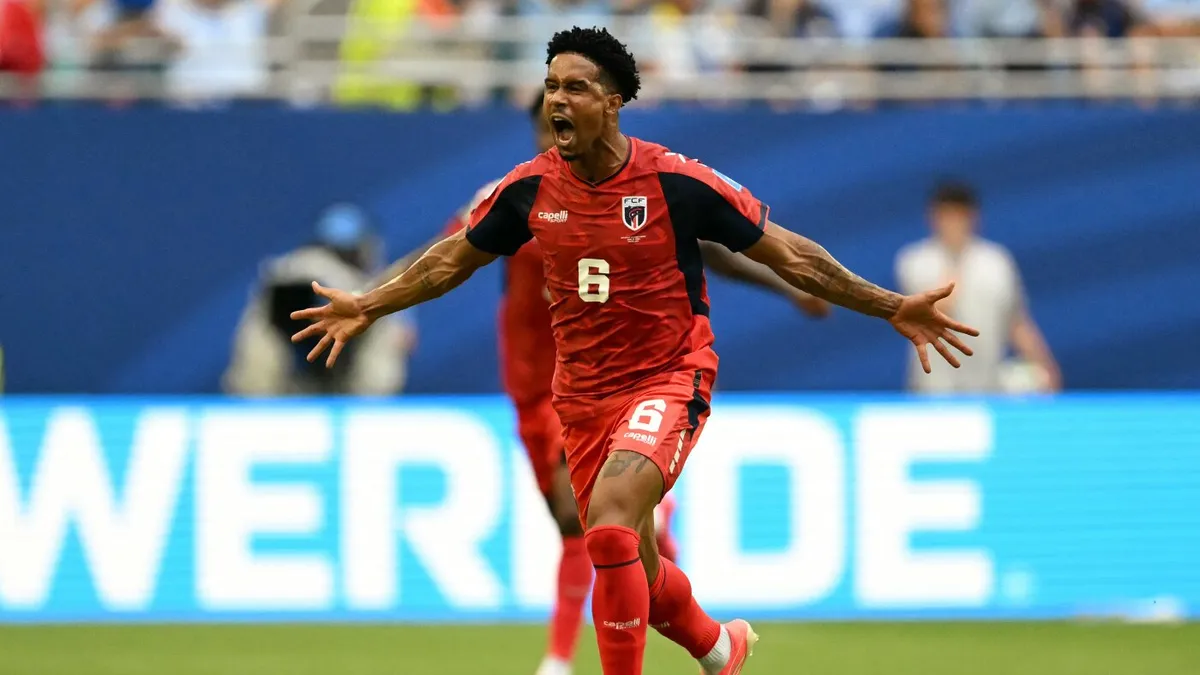
Start Your News DetoxThis isn't just about individual choices; it's reshaping the global game. Suddenly, Ivory Coast isn't just showing up to play Germany; they're showing up to compete. Cape Verde is holding its own against Spain. It's a clear echo of a broader historical truth: the long shadow of European colonialism, and the global diaspora it created, are now very much on the pitch.
Growing up in England with Nigerian heritage, the author knows this dynamic firsthand. His own childhood was filled with brotherly debates about which nation they’d theoretically represent. His dual love affair with England and Nigeria began at Wembley Stadium in 1994, watching a talented Nigerian team take on England. The heartbreak of both teams losing in subsequent years only cemented that deep, complicated emotional tie. Because apparently, that's where we are now.
More Than Just Stats
Black British footballers have long been pioneers, navigating the complexities of supporting a nation that doesn't always fully embrace them. Viv Anderson broke the color barrier for England in 1978. Luther Blissett scored the first hat-trick for a Black player in 1982. Paul Ince captained England in 1993. By June 2026, a remarkable 127 Black players will have debuted for England, with Ollie Watkins hitting the century mark in March 2021. These aren't just stats; they're milestones carved out of resistance and sheer will.
Yet, this pride often comes with a subtle sting. The same country that celebrates these athletes can also make their sense of belonging feel, well, conditional. The English media, for instance, has a notable history of treating Black players with a slightly harsher hand, a steady drip of microaggressions that can undermine even the most stellar achievements. It's enough to make you wonder.
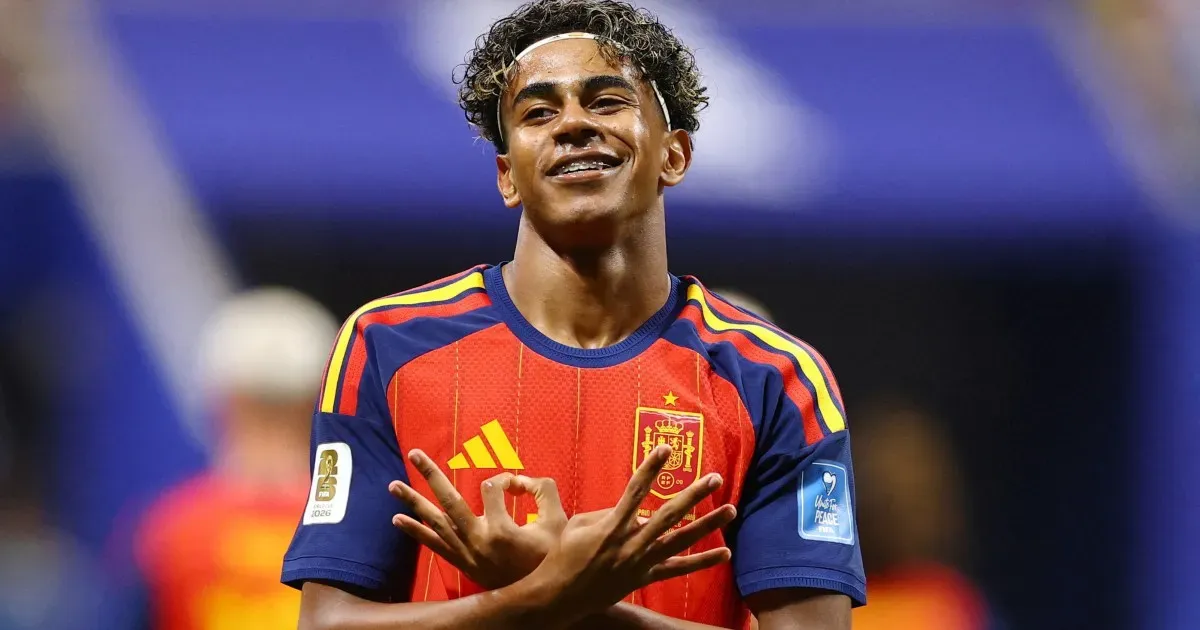
So, it’s no surprise that players make diverse choices. Some chase the prestige and resources of nations like England or France. Others, increasingly, are choosing their ancestral nations out of pure desire. Ibrahim Mbaye picked Senegal over France. Ayyoub Bouaddi chose Morocco. Nico Williams plays for Spain, while his brother Iñaki plays for Ghana.
This isn't just a trickle; it's a tide. The Africa Cup of Nations (AFCON) is gaining serious stature, and African teams are closing the gap on the world stage. Morocco's historic run to the 2022 World Cup semifinals, the first African nation to do so, wasn't a fluke; it was a declaration. When Ghana plays England, it's not just a game. It's history, identity, and the beautiful, messy future of a truly global sport, all playing out in real-time.