John Ramer runs a farm in Hartfield, Wyoming where something unusual happens every week: dogs, cats, pigs, horses, sheep, goats, cows, and llamas arrive from research laboratories—animals that were scheduled to be euthanized. Instead, they get pasture, routine, and a second life.
Kindness Ranch Animal Sanctuary wasn't built on protest. It was built on pragmatism. When Ramer took over as executive director, he made a choice that separates this operation from typical animal advocacy: he stopped telling labs what they couldn't do, and started showing them what they could.
"It's so easy to be against something," Ramer told Cowboy State Daily. "But then I have to figure out what I'm in favor of." His answer was building relationships with research facilities, finding common ground not on ideology but on a single point: euthanasia isn't the only option.
We're a new kind of news feed.
Regular news is designed to drain you. We're a non-profit built to restore you. Every story we publish is scored for impact, progress, and hope.
Start Your News DetoxFrom 30 to 500
The sanctuary was founded in 2007 by Denver psychologist Dr. David Groobman as the first facility of its kind dedicated to rehabilitating former research animals and placing them in homes. The numbers tell the story of what's possible when you show up with solutions instead of demands. In its early years, the ranch rescued about 30 animals annually. Last year, they placed over 500 dogs and cats into private homes.
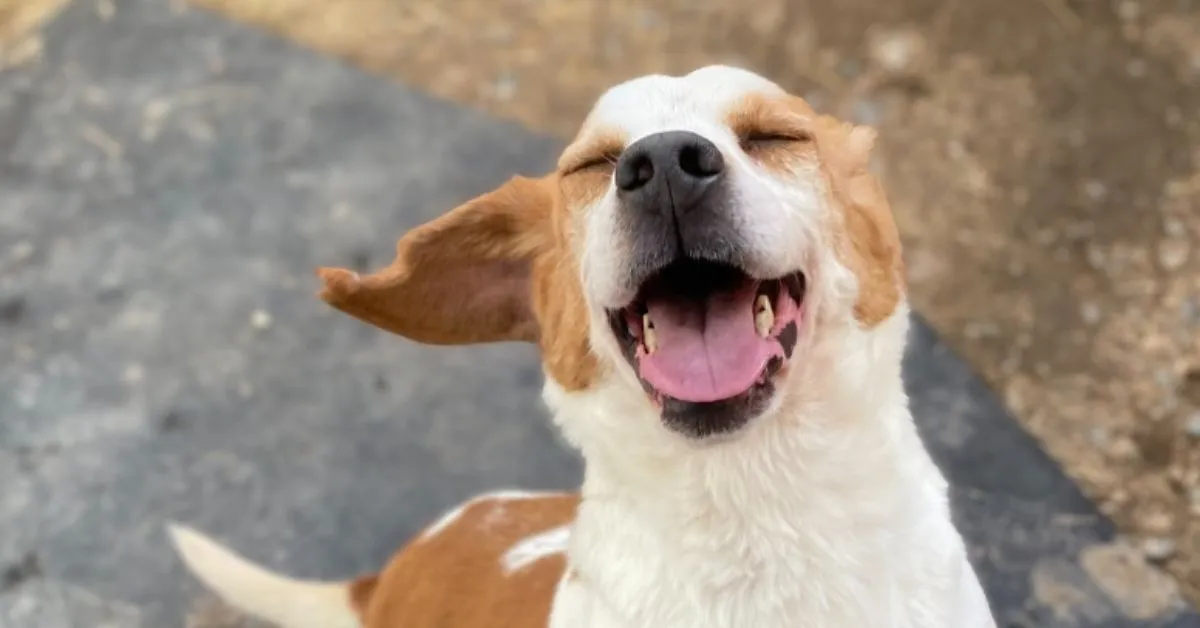
Beagles, the most common research animal, are the sanctuary's most frequent arrivals. When a Cowboy State Daily reporter visited in June, the team was preparing for 47 more beagles to arrive.
Farm supervisor Terri Brunner describes the shift simply: "We don't focus on their past. What we're focusing on now is where their futures are, and we hope that we can provide them with a sound and comfortable and enriching life here at Kindness Ranch."
That future looks like space to run, handlers who know their names, and a waiting list of families ready to adopt. It's not a perfect solution to animal testing—the labs still conduct research. But it's a crack in the system where something better has taken root. The sanctuary's approach suggests that change doesn't always require total victory. Sometimes it just requires showing up with a better option.