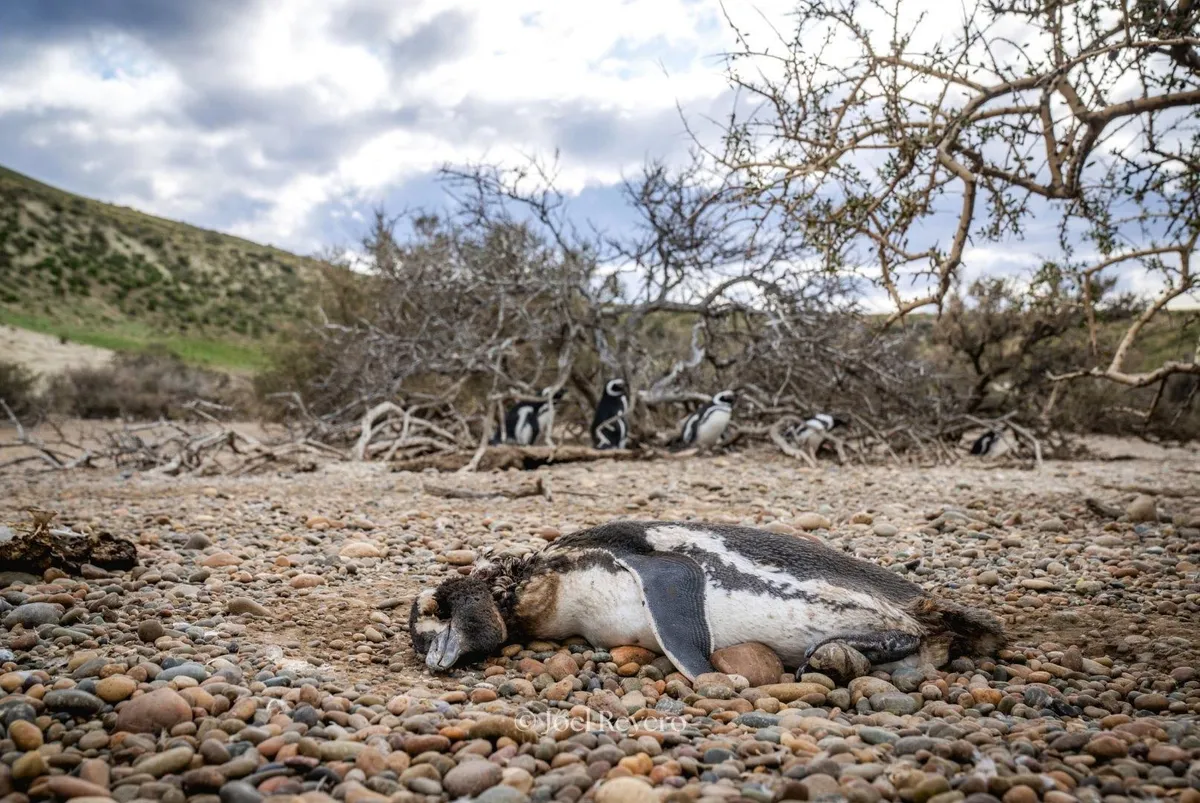
Over four years, pumas at Monte Leon National Park in Patagonia killed more than 7,000 adult penguins. Many were left uneaten. It sounds like a conservation crisis—and it is a real problem. But a new study suggests the bigger threat to these penguin colonies isn't the returning predators. It's something harder to see and much harder to fix: the climate-driven collapse of their breeding success.
The Predator Comeback
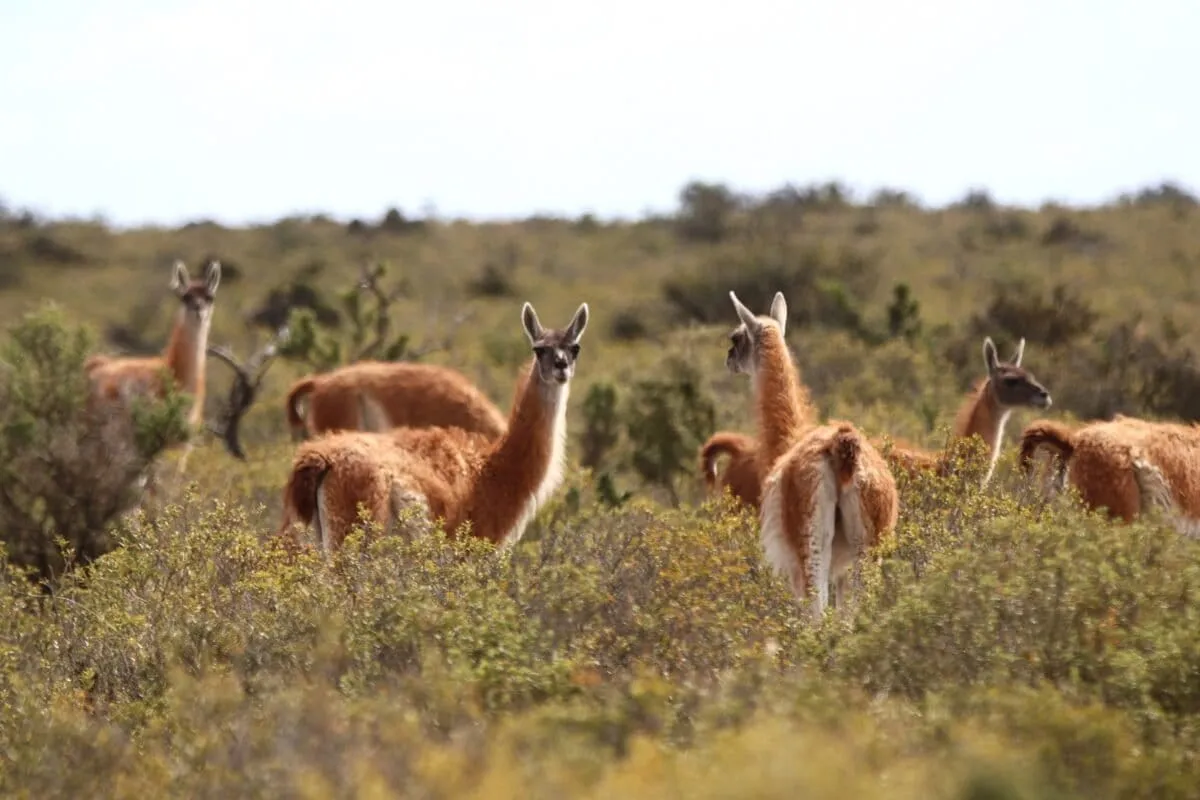
When cattle ranching ended in southern Argentina in 1990, pumas began reclaiming their historic range. For decades, they'd been hunted out. The penguins—Magellanic penguins that had moved to mainland breeding colonies when terrestrial predators were scarce—suddenly faced a predator they'd evolved no real defense against. They're flightless, ground-nesting birds. Against a 100-pound cat, they're easy prey.
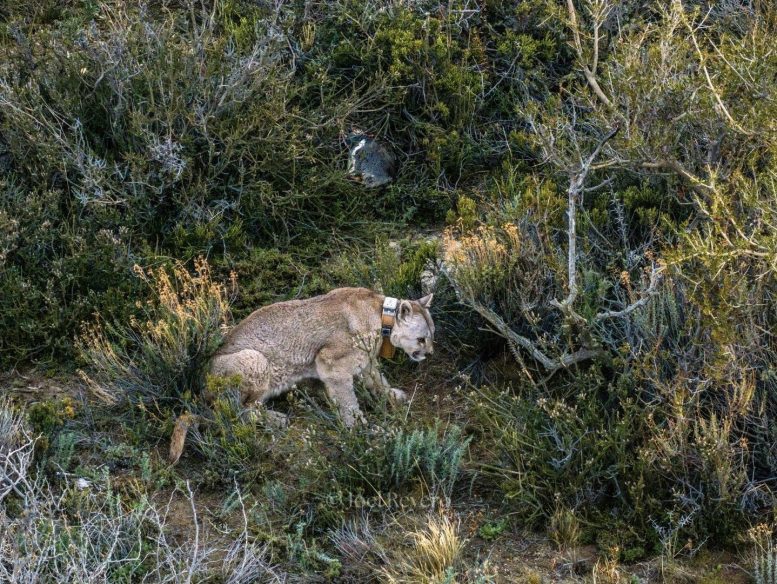
Scientists from Argentina's Universidad Nacional de la Patagonia Austral and Oxford University's Wildlife Conservation Research Unit documented the toll between 2007 and 2010. The number was stark: 7,000 adult penguins killed, roughly 7.6% of the colony's adult population of around 93,000. But here's the unsettling detail—many of the birds were only partially eaten or left untouched. This pattern, known as "surplus killing," happens when prey is abundant and vulnerable enough that the predator doesn't need to eat what it catches. It's what you see when a domestic cat finds a nest of chicks.
We're a new kind of news feed.
Regular news is designed to drain you. We're a non-profit built to restore you. Every story we publish is scored for impact, progress, and hope.
Start Your News Detox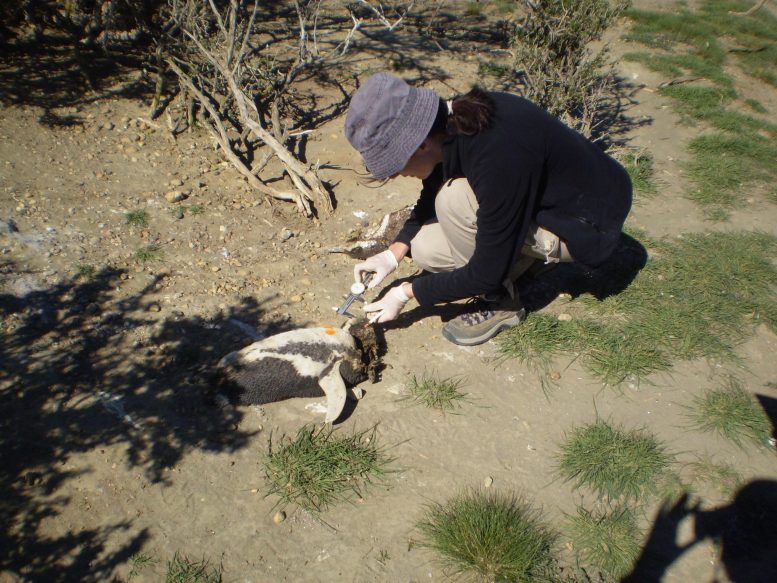
The Deeper Problem
When researchers modeled what this predation means for the colony's long-term survival, something unexpected emerged. Puma predation alone—even at these levels—is unlikely to push the population toward collapse. The models showed that the colony's fate depends far more on breeding success and the survival of chicks to adulthood. Only when researchers combined very poor breeding outcomes (roughly one chick per breeding pair) with extremely high juvenile mortality (80% of young penguins failing to reach adulthood) did the population face real extinction risk. In those scenarios, puma predation made things worse. But it wasn't the main driver.
What determines breeding success and juvenile survival. Climate. Nutrient availability in the ocean. Food supply for the parents. Temperature shifts that ripple through the ecosystem. These are the factors that climate change directly influences, and they're the ones that actually control whether penguin populations thrive or collapse.
A Conservation Puzzle
This creates a genuine dilemma. Pumas are a native species returning to a landscape that's recovering from human damage. That's conservation success. But their return is killing penguins, another iconic species facing its own pressures. Which do you prioritize? The answer, the researchers suggest, isn't about choosing between them. It's about understanding that the puma problem is real but secondary. The penguin problem is climate.
Monte Leon National Park authorities continue to monitor both populations as the ecosystem finds its new balance. The situation mirrors what's happening elsewhere: feral hogs preying on sea turtle eggs along the Georgia coast, coyotes reshaping barrier island ecosystems in eastern North America. As land predators expand into coastal areas, seabirds face novel threats. But understanding these threats—really understanding them—means looking past the immediate predator to the environmental conditions that make prey vulnerable in the first place.
The study suggests that long-term monitoring is essential, not just to count dead penguins, but to track the climate signals that actually determine whether these colonies survive.