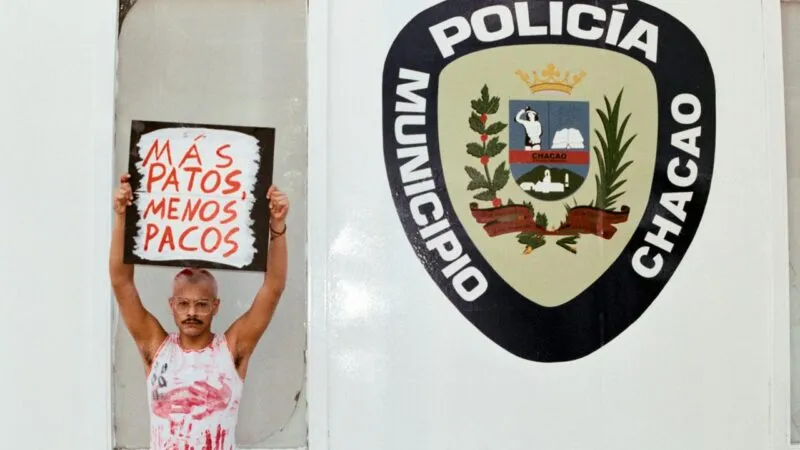
Imagine trying to document a community that, in some official corners, is still barely acknowledged. That's the mission of Santiago Méndez, a photographer in Caracas, Venezuela, who's spent three years capturing the vibrant, defiant, and sometimes terrifying reality of Pride celebrations.
Méndez, born in 1998, isn't just snapping photos; he's building an actual archive. Because when a country's narrative is dominated by politics and economics, other crucial stories — like the existence of queer Venezuelans — can simply disappear. And he's doing it in a place where marriage equality is still a dream, legal gender recognition for trans people is blocked, and violence against the LGBTIQ+ community is a chilling reality.
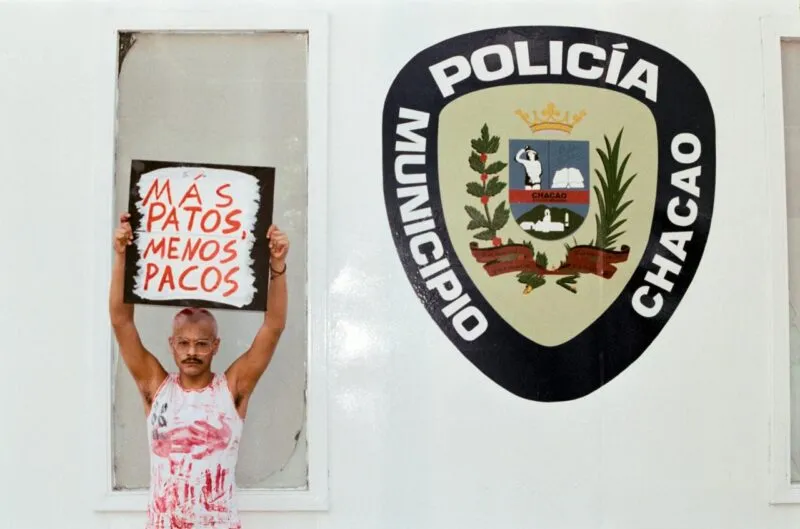
The Shifting Tides of Caracas Pride
Méndez has seen the mood of Pride shift dramatically. In 2023, he felt an almost explosive energy, describing it as "crowded, loud, and joyful." Just existing together on the street, he noted, is a political act, whether you label it or not.
We're a new kind of news feed.
Regular news is designed to drain you. We're a non-profit built to restore you. Every story we publish is scored for impact, progress, and hope.
Start Your News DetoxThe 2024 march, with its defiant slogan, "Our existence is not public indecency," felt like a turning point. This came after 33 people were arrested in a 2023 police raid on an LGBTIQ+ venue in Valencia, facing charges that included, you guessed it, public indecency. Because apparently, that's where we are now.
But then came 2025. The mood tightened. Pride felt smaller, more cautious. Some organizations participated discreetly, a direct consequence of arrests and exiles following the 2024 election. And by 2026, Pride Month kicked off with reports of at least 30 men detained in Barquisimeto, allegedly accused by police of "committing the crime of homosexuality" — which, for the record, isn't actually illegal in Venezuela. But try telling that to the police.
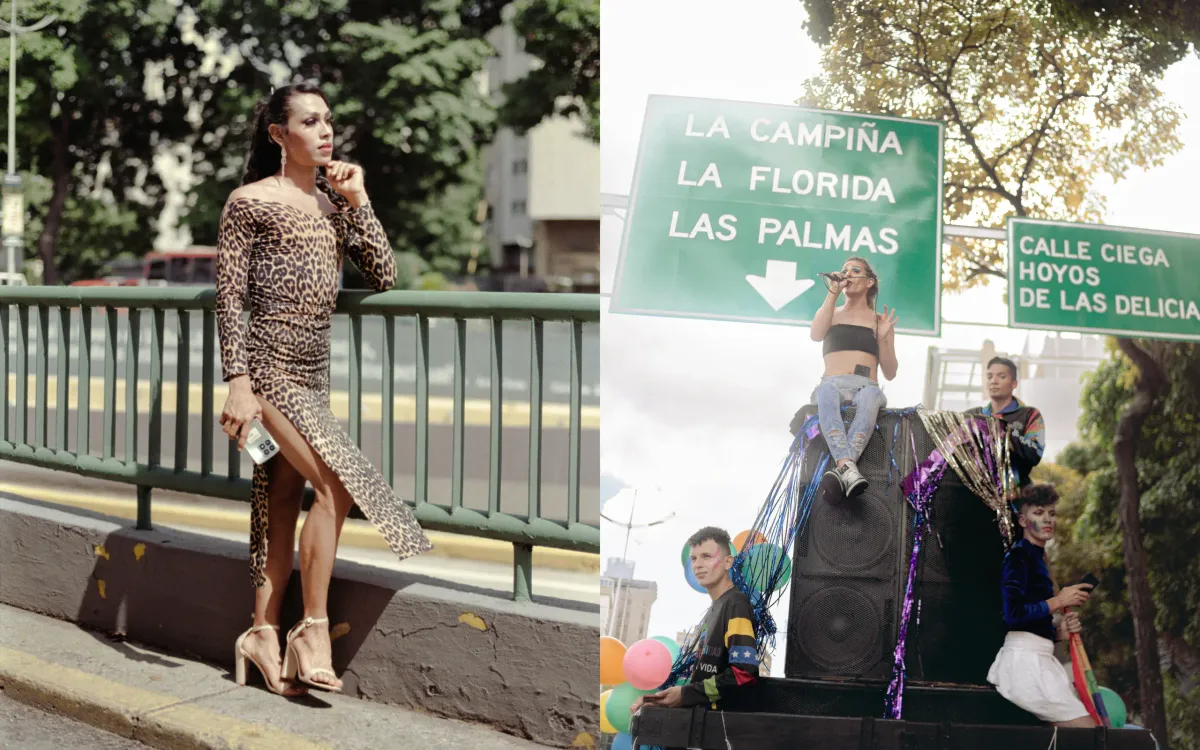
Méndez’s photos capture this exact tension: the fierce visibility battling the ever-present fear.
The Weight of an Image
As a queer photographer himself, Méndez brings a unique, empathetic lens to his work. He sees himself in the faces he photographs. But he also knows that in Venezuela, a published image can put someone at risk — with their family, their job, or even the authorities. So he works with a quiet, careful ethics, sometimes leaving photos unpublished, sometimes keeping faces out of his public archive altogether.
He's not interested in "photographer heroism." He believes photography can preserve and inform, but it's no substitute for actual change. His goal is honesty, not judgment, acknowledging that the Venezuelan queer community is as complex and nuanced as the country itself.
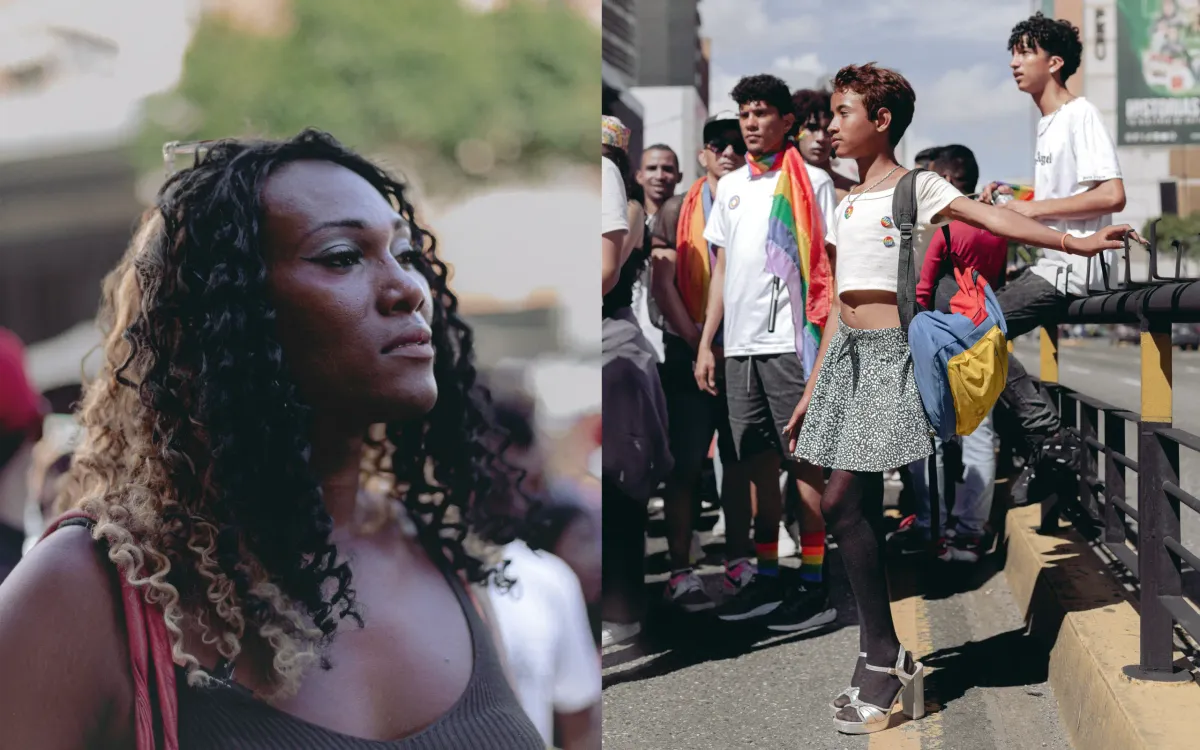
Ultimately, Méndez hopes his photographs will serve as a testament for future generations. A vibrant, undeniable record that queer Venezuelans existed publicly, loved freely, created style, and made noise — even when belonging was explicitly denied. Because visibility, he’s learned, isn’t the same as safety, but it’s a powerful start.