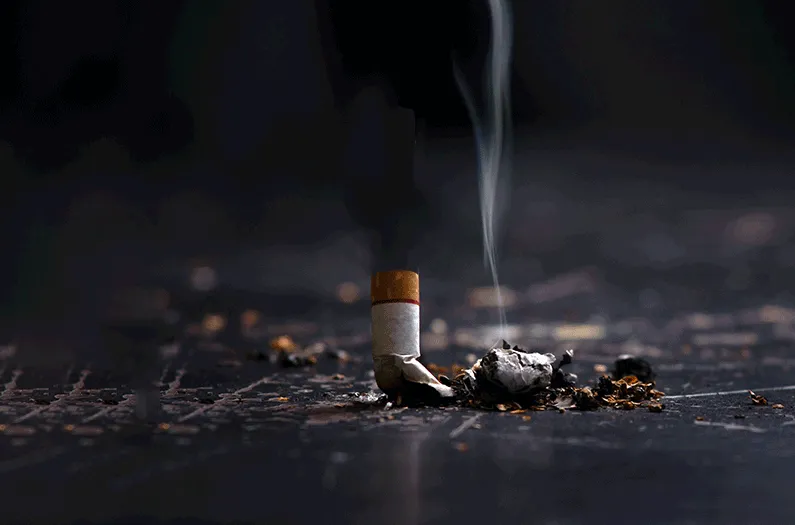
Every year, smokers discard roughly 5.8 trillion cigarettes. That's 8 million tons of waste — and the filters don't disappear. Cellulose acetate, the plastic in cigarette tips, can take a decade to break down, making butts the most common plastic litter on Earth.
But researchers in China and England just found something useful to do with them.
Leichang Cao and his team at Henan University discovered that cigarette butts are essentially a cheap, abundant source of carbon. They developed a two-step process to convert this trash into electrode material for supercapacitors — devices that store and release energy faster than traditional batteries.
We're a new kind of news feed.
Regular news is designed to drain you. We're a non-profit built to restore you. Every story we publish is scored for impact, progress, and hope.
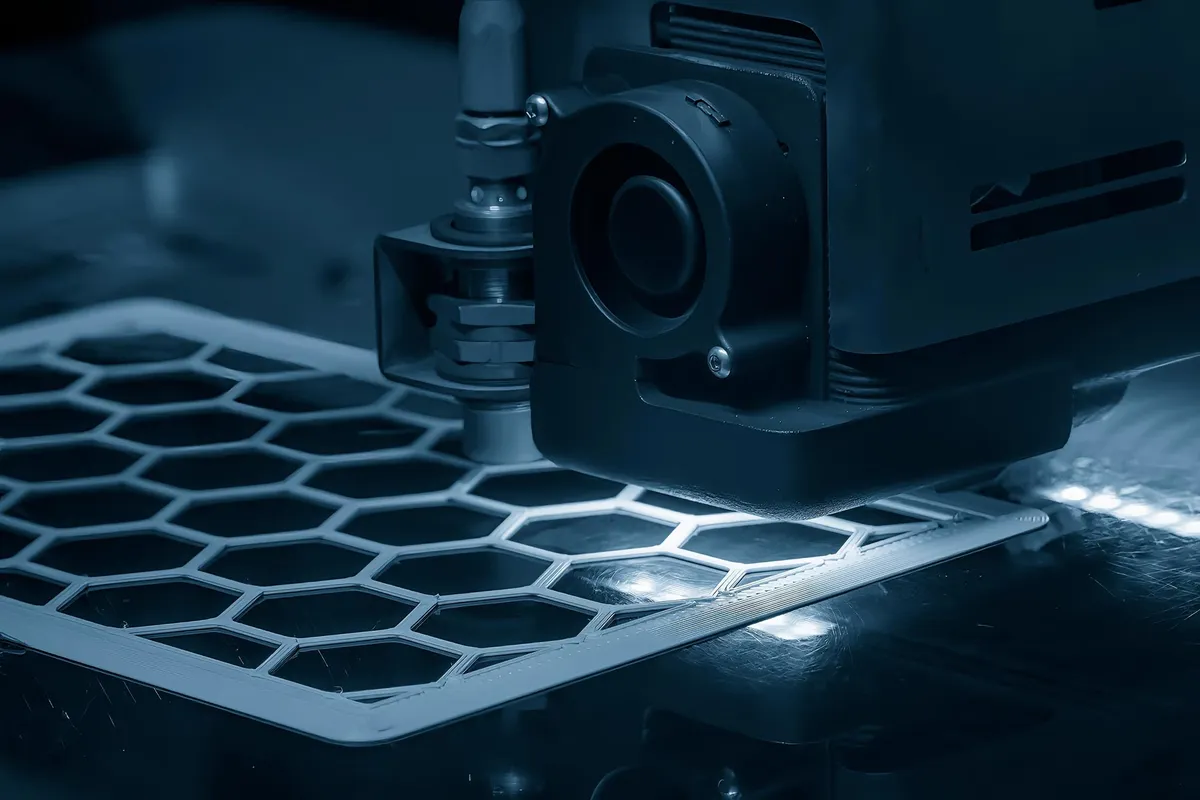
Start Your News DetoxThe method is straightforward. First, they heat wet cigarette butts to 700°C, turning them into a charred substance made of tiny carbon spheres. Then they treat the char with potassium hydroxide, which essentially opens up those dense spheres like a sponge, creating a porous, 3D honeycomb structure. That massive surface area is what matters: it lets ions and electrons move quickly, which is exactly what you need for efficient energy storage.
From Waste to Performance
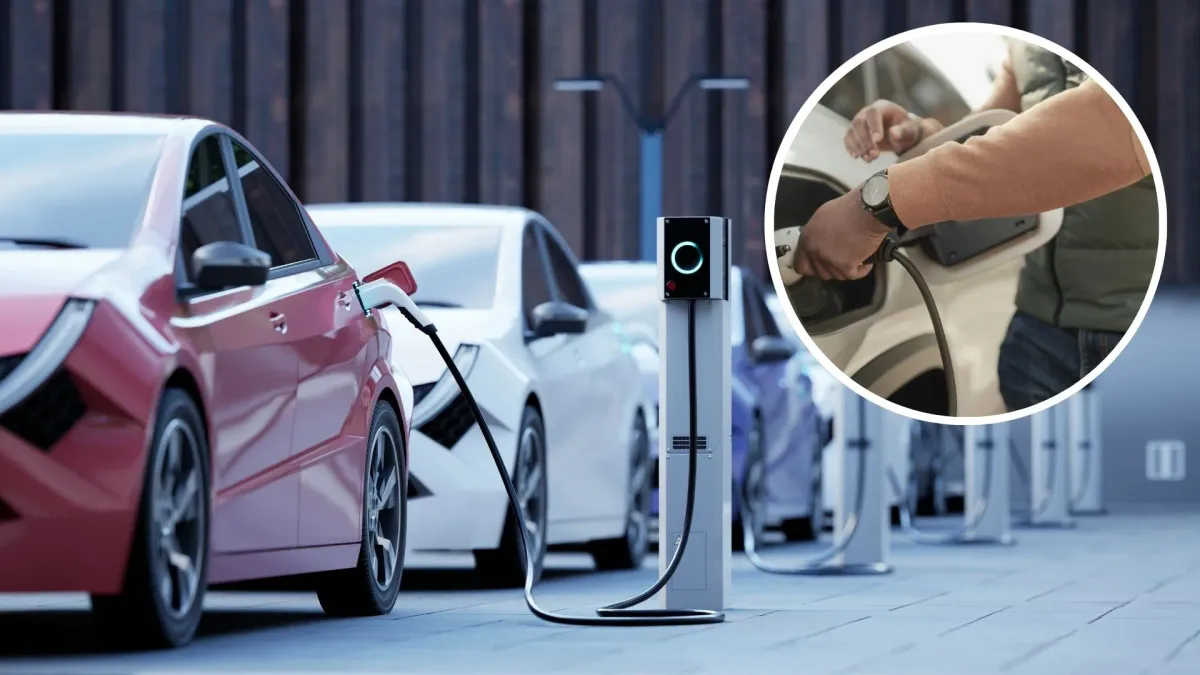
When the researchers tested their cigarette butt electrodes, the results outperformed many commercial alternatives. The supercapacitors achieved an energy density of over 24 watt-hours per kilogram — higher than electrodes made from other biomass sources or standard activated carbon. That's not just a lab curiosity. Supercapacitors already have real-world applications: they're used in hybrid cars, renewable energy systems, and devices that need rapid charge-discharge cycles.
What makes this work is the elegant circularity. A material that's poisoning landfills and beaches becomes a resource. The process requires no exotic chemicals or infrastructure. You take something that's everywhere, apply heat and a common compound, and get a functional component for clean energy technology.
This isn't the first time researchers have looked at cigarette butts as a material source — but the energy density numbers here suggest the approach is moving beyond proof-of-concept. The next question is scaling: can this process move from a university lab to actual production, and would the economics work at industrial volume.
If they do, it's the kind of solution that addresses two problems at once — one visible on every street corner, one essential for the energy transition ahead.