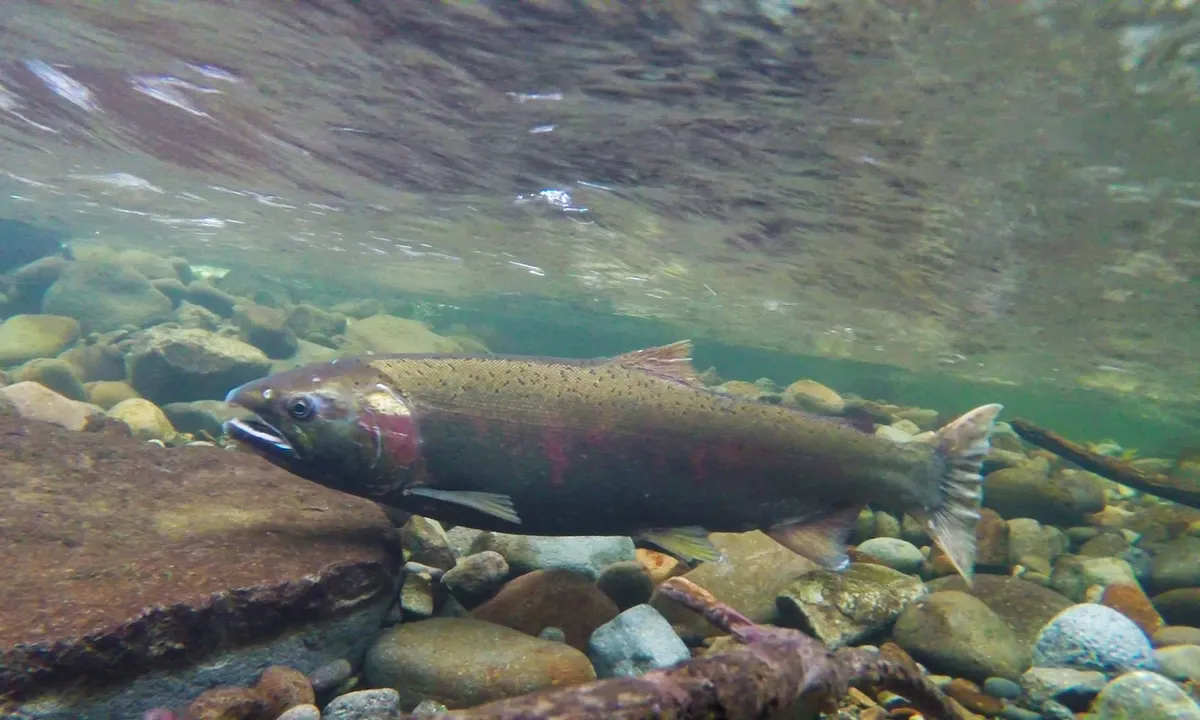
Researchers at the University of British Columbia (UBC) are concerned about a new tire chemical. This chemical, called 6PPD-quinone, is harming coho salmon. The researchers are now trying to find out which streams and rivers are most affected.
Identifying and Fighting the Toxin
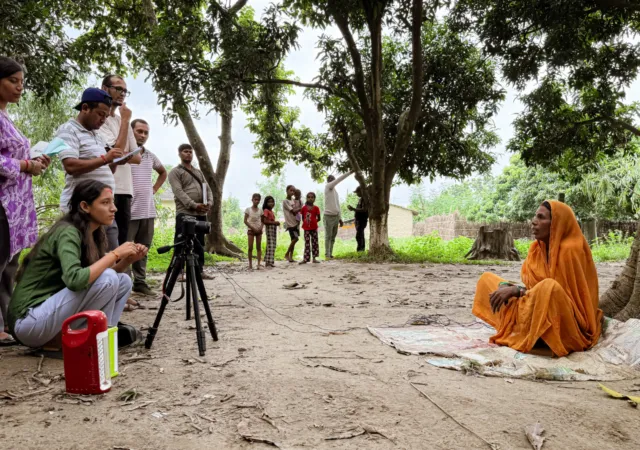
The STREAM project, a group of scientists, is creating a model. This model will help them find streams and rivers most at risk from 6PPD-quinone. They are also working on ways to remove the toxin from runoff before it reaches salmon habitats.
A study in Science found that 6PPD-quinone is a major cause of death for coho salmon in the Pacific Northwest. This chemical forms when a tire additive, 6PPD, breaks down. 6PPD is used to protect tire rubber.
We're a new kind of news feed.
Regular news is designed to drain you. We're a non-profit built to restore you. Every story we publish is scored for impact, progress, and hope.
Start Your News DetoxZhenyu Tian, a chemist involved in the study, explained that fewer coho salmon could mean less fish for people to eat.
Tim Rodgers, a UBC researcher, said they measured 6PPD-quinone levels in 10 vulnerable sites. These sites were near major highways. They found high levels of the toxin almost every time it rained, in nearly every stream they checked.
Rain Gardens Offer a Solution
The researchers found that rain gardens can help. Rain gardens capture runoff from roads. They then filter out 6PPD-quinone using soil. This stops the toxin from getting into streams.
Rodgers believes we should treat more water through these systems. He noted that green infrastructure, like rain gardens, also creates more green spaces in cities.
Canada's government has invested in green infrastructure for disaster prevention. However, Rodgers stressed the importance of focusing these efforts on areas with coho salmon populations.
Protecting First Nations and Other Species
Streams and riverbanks near coastal First Nations' reserves are a big concern. The Scholes Lab worked with the Tseshaht First Nation. They found these areas are very vulnerable to coho salmon declines. This is because large highways run through the reserves. Salmon are a vital food source for First Nations along the West Coast.
6PPD-quinone doesn't just threaten coho salmon. It's also toxic to steelhead and coastal cutthroat salmon. While not as deadly for these species, it causes similar symptoms. Surrounding plant habitats are also at risk. Rodgers mentioned that plants are being impacted by phototoxicity from the chemical.
To reduce harm, researchers are pushing for less exposure to the toxin. They released a policy paper. It calls for safer and more transparent chemicals in tires.
Rodgers hopes people will pay more attention to toxic runoff in Pacific Northwest waters. Salmon are important for the ecosystem. They bring nutrients to the ocean and rivers. They are also a big part of the culture on the West Coast.