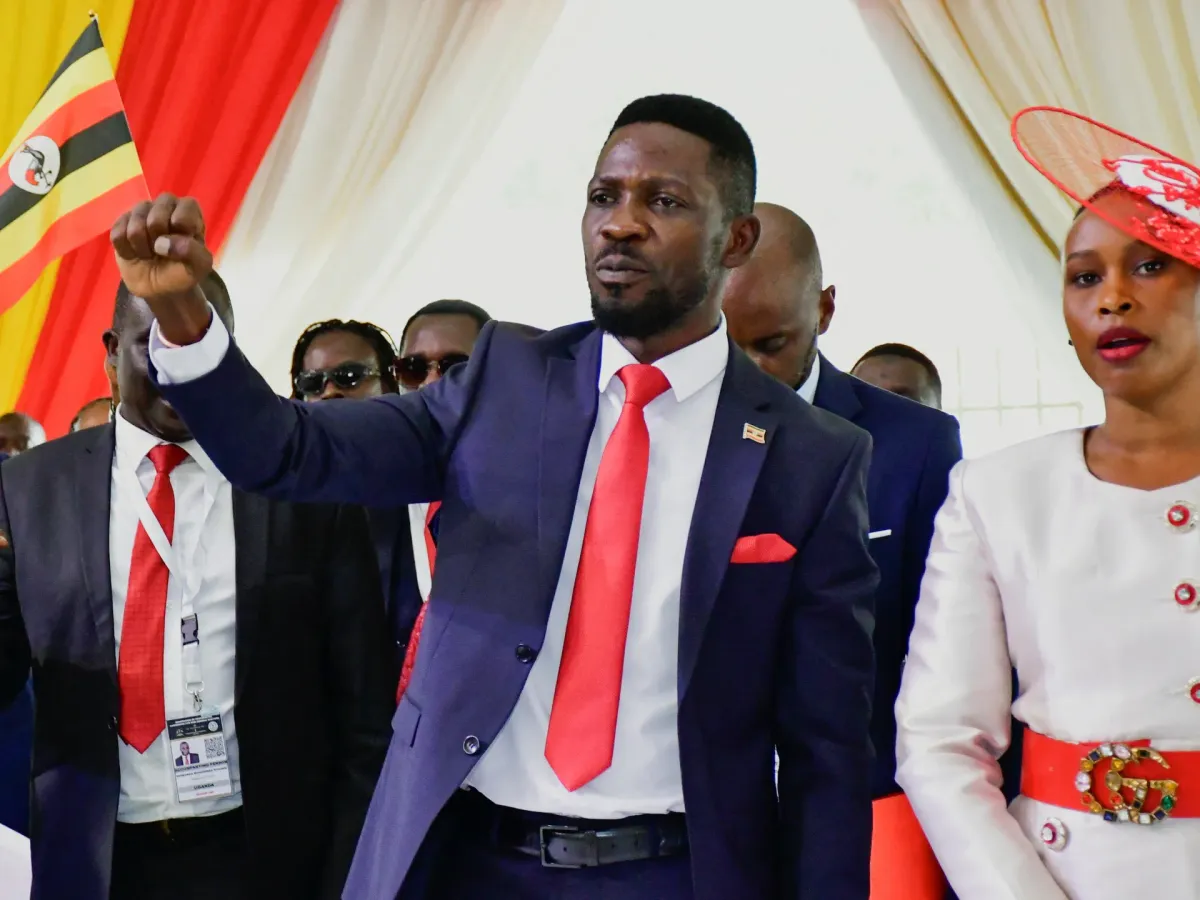
President Yoweri Museveni, 81, won Uganda's presidential election with 72% of the vote. Former musician Robert Kyagulanyi—known as Bobi Wine—came second with 25%. By most measures, the election is over. By the measure that matters most to millions of Ugandans, it's just begun.
Bobi Wine's National Unity Platform and two other opposition candidates have rejected the results entirely, citing ballot stuffing, voter intimidation, and party agents blocked from polling stations. The UN corroborated their concerns, documenting what it called "widespread repression and intimidation" throughout the voting process. The government shut down the internet during the election, arrested protesters afterward, and—according to opposition accounts—raided Bobi Wine's home on the day results were announced.
In an exclusive interview with Al Jazeera conducted while in hiding, Bobi Wine laid out specific allegations. He said he had video evidence of Electoral Commission officials, not military or police, marking ballots in Museveni's favor. He described a pattern: polling agents picked up by the military before voting began, an internet blackout that prevented independent monitoring, results announced with no clear chain of custody.
We're a new kind of news feed.
Regular news is designed to drain you. We're a non-profit built to restore you. Every story we publish is scored for impact, progress, and hope.
Start Your News Detox"We have evidence before, we have evidence during and after the election," he said.
A Constitutional Path Forward
What's notable is what Bobi Wine rejected: the courts. Uganda's judiciary, he argued, lacks the independence to adjudicate fairly. Instead, he's calling for sustained, nonviolent protest—a deliberate choice that distinguishes his response from the government's crackdown.
"It could be protesting on the streets. Some of us started protesting by holding high the national flag. Others can protest by staying at home," he said, framing dissent as a constitutional right rather than a threat. He acknowledged the fear gripping the country after 40 years of Museveni's rule, but positioned continued resistance as the only alternative to what he called "resigning to slavery."
This is the tension at the heart of Uganda's moment: a government claiming electoral victory and accusing the opposition of destabilization, and an opposition documenting irregularities while explicitly rejecting violent response. The path forward—whether Uganda's institutions can address these allegations credibly, whether sustained peaceful protest can create pressure for accountability, whether Museveni's government will tolerate dissent—remains deeply uncertain. What's clear is that millions of Ugandans believe their votes were not counted fairly, and they're not moving on quietly.