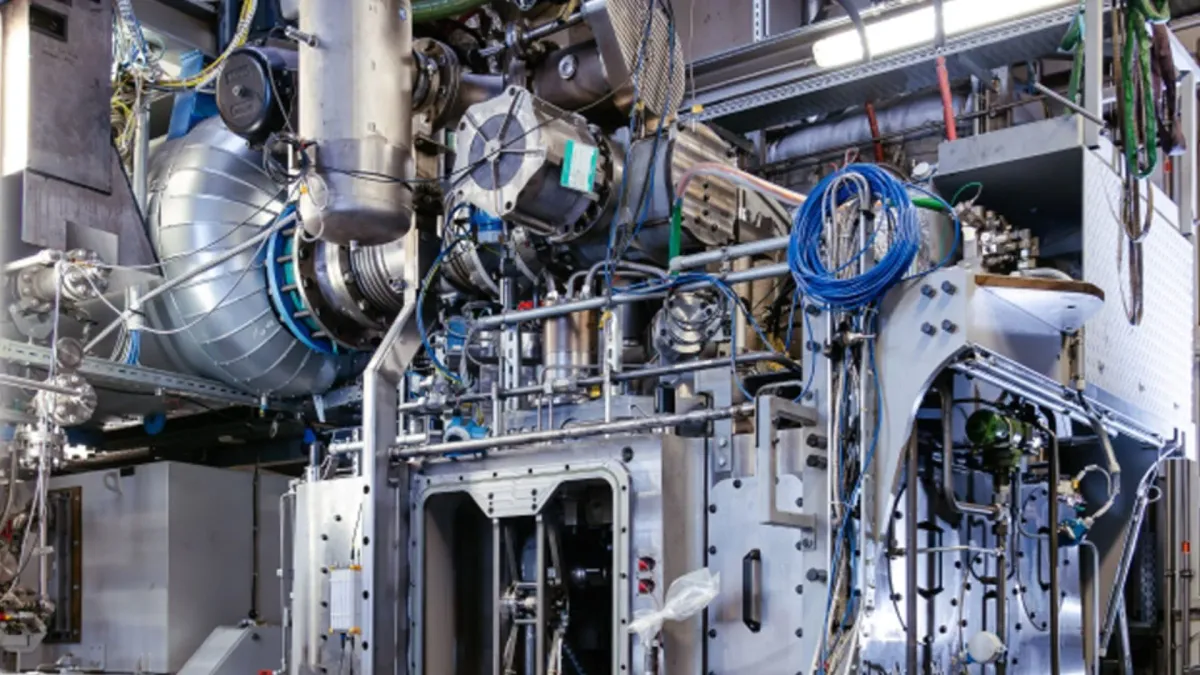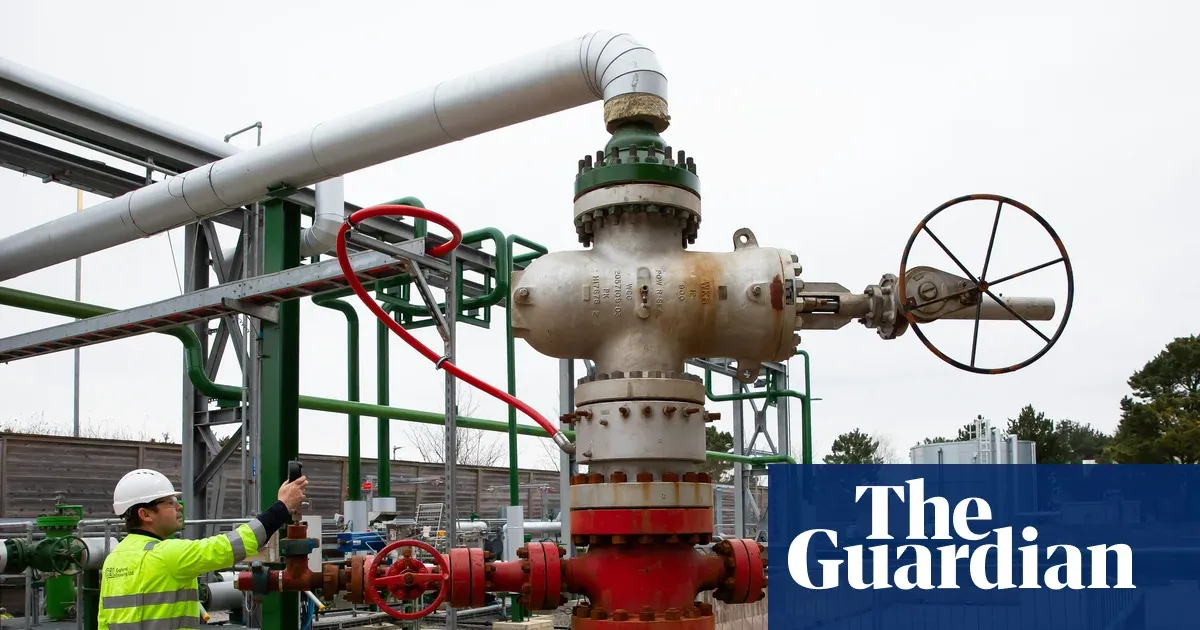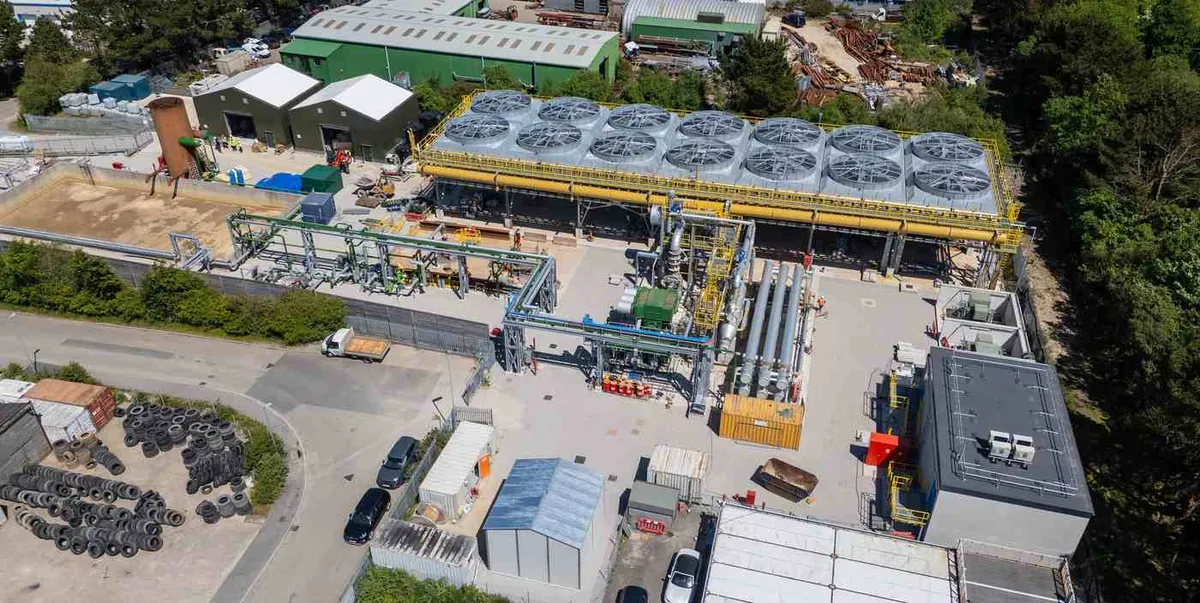
Deep beneath Cornwall, three miles down, water hotter than an oven has begun its work. The United Downs geothermal plant—the UK's first of its kind—switched on this year after nearly two decades of drilling, engineering, and patience. Now it's generating electricity around the clock, feeding power to roughly 10,000 homes while doing something else entirely: pulling lithium from the ground.
Geothermal power works like this: drill deep enough, and the Earth's heat does the work for you. The water brought to the surface at United Downs exceeds 190°C—hot enough to drive turbines that generate electricity whether it's sunny, windy, or midnight. No weather dependency. No intermittency. Just steady power, 24/7.
Geothermal Engineering Ltd., the company behind the project, hit a milestone when they drilled the deepest on-shore well ever sunk in UK soil. That depth gave them access to geothermal fluid with an unusual bonus: one of the world's highest concentrations of lithium dissolved in the water. The plant is now producing 100 tons of lithium carbonate annually—the same mineral that powers electric vehicle batteries and energy storage systems that the UK will need as it transitions away from fossil fuels.
We're a new kind of news feed.
Regular news is designed to drain you. We're a non-profit built to restore you. Every story we publish is scored for impact, progress, and hope.
Start Your News DetoxTwo resources from one well
Dr. Ryan Law, CEO of GEL, describes this as elegant efficiency: "The hot, mineral-rich fluids that generate clean electricity can also be processed to recover strategic materials like lithium carbonate." Rather than drilling separate wells for power and minerals, the United Downs plant does both simultaneously. It maximizes what each borehole produces and minimizes the subsurface disruption of multiple projects.
This isn't the UK's first brush with geothermal energy. Southampton has been using ground source heat pumps for years to warm hundreds of homes from shallow geothermal resources. But United Downs operates at a different scale—drilling to depths where temperatures are hot enough to generate electricity rather than just provide heating.
The $59 million project was funded by private investors and the EU. Energy provider Octopus Energy purchased the power and now delivers it through the national grid. Greg Jackson, Octopus's founder, sees this as part of a larger shift: "For the first time, we're bringing deep geothermal power to British homes—a clean, constant energy source right beneath our feet."
Geothermal Engineering has two other sites in development. One faced environmental objections initially, though the company is appealing that decision. If those projects move forward, the UK could have multiple geothermal plants generating baseline renewable power while simultaneously securing a domestic source of a mineral currently imported from elsewhere.
The deeper pattern here matters: the UK is learning to use what's already beneath it, rather than waiting for the perfect wind day or sunny afternoon.