Light doesn't reach the ocean floor the same way twice. Sometimes it vanishes almost entirely — for days, weeks, even months — plunging ecosystems into what researchers now call "marine darkwaves."
Until recently, scientists had no consistent way to measure these events or compare them across regions. A new study, built on 16 years of data from California's coast and a decade of observations from New Zealand, changes that. The framework treats sudden losses of underwater light the way meteorologists treat hurricanes: as measurable, comparable phenomena that demand attention.
"Light is a fundamental driver of marine productivity," says François Thoral, the postdoctoral researcher who led the work. "Yet until now we have not had a consistent way to measure extreme reductions in underwater light." That gap mattered more than it sounds. Without a shared language, coastal managers couldn't recognize patterns or prepare responses.
We're a new kind of news feed.
Regular news is designed to drain you. We're a non-profit built to restore you. Every story we publish is scored for impact, progress, and hope.
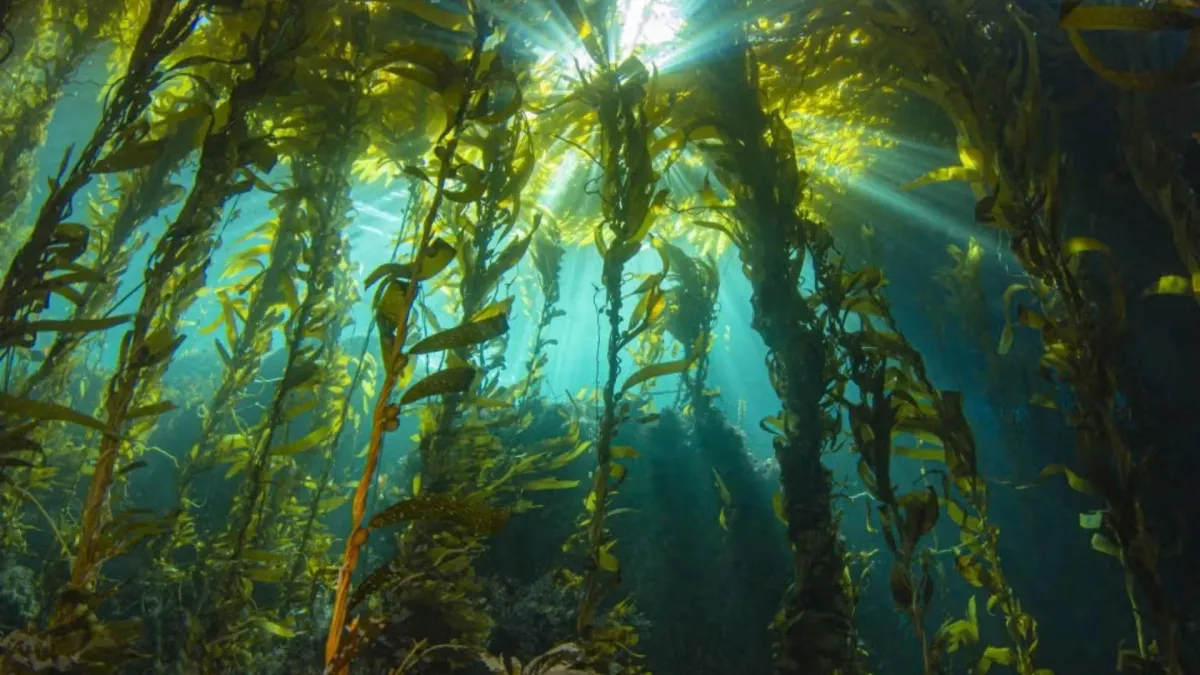
Start Your News DetoxThe darkwaves themselves are striking in their variety. Some last only a few days. Others stretch past two months. In the most severe cases, almost no light reaches the seafloor at all. The culprits vary — sediment from storms, algal blooms, suspended particles from fires and mudslides — but the effect is consistent: photosynthetic organisms like kelp, seagrass, and corals struggle. Fish, sharks, and marine mammals shift their behavior. When darkness lingers, the ecological damage can be profound.
"Even short periods of reduced light can impair photosynthesis," Thoral notes. A few days of gloom doesn't kill a kelp forest, but it stresses it. Repeated stress compounds.
What makes this framework matter now is timing. Coastal communities already monitor marine heatwaves, ocean acidification, and low-oxygen zones. Adding darkwave detection to that toolkit gives resource managers a fuller picture of when and how marine ecosystems are under acute stress. A heatwave plus a darkwave in the same season hits differently than either alone.
The researchers are already expanding their focus. They're investigating how California's increasing fire activity — which sends sediment and ash into waterways — influences kelp forest darkwaves. As climate patterns shift and coastal development intensifies, understanding these events becomes less academic and more urgent.
The ocean's darkness isn't new. What's new is the ability to see it clearly, measure it consistently, and respond.