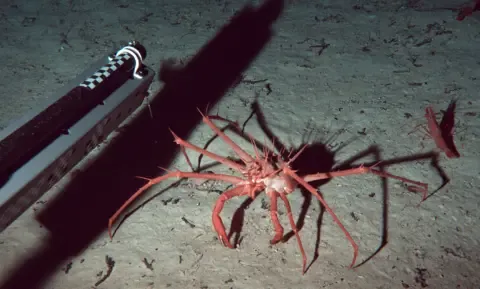
For the first time, scientists have mapped the waters beyond Britain's Caribbean territories—and what they found challenges everything we thought we knew about these islands' underwater worlds. In six weeks of round-the-clock exploration, researchers discovered an underwater mountain range, a massive sinkhole that may be the Caribbean's deepest, coral reefs untouched by climate change, and at least 290 species of marine creatures, some entirely new to science.
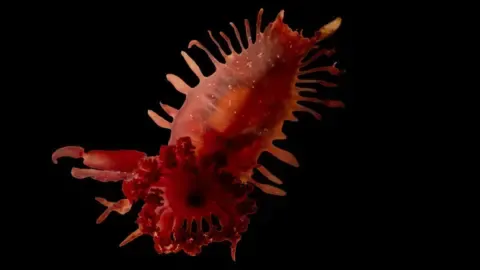
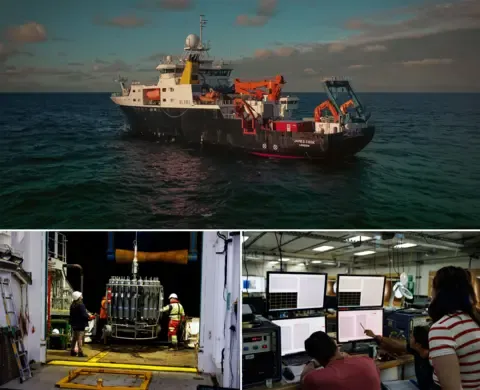
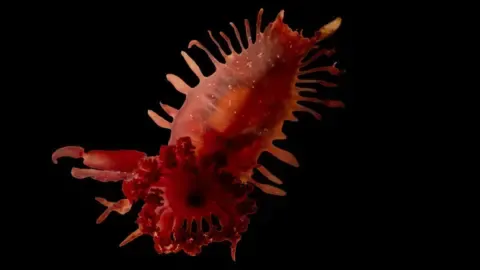
The expedition, led by Prof James Bell aboard the research ship RSS James Cook, navigated waters so poorly charted that the team relied on decades-old maps riddled with errors and blank spaces. "Just yesterday we found a kind of swimming sea cucumber, and we still don't know what it is," Bell said midway through the voyage. The team documented nearly 14,000 individual specimens across the Cayman Islands, Anguilla, and Turks and Caicos—three British Overseas Territories that harbor 146 species found nowhere else on Earth.
What makes this discovery striking isn't just the novelty. These deep-water ecosystems represent a kind of refuge. While warming ocean temperatures have damaged 80% of the world's corals since 2023, the reefs found here—growing at depths of 500 meters or more—remain largely untouched. The deep-sea pressure and darkness that make these places so difficult to reach also protect them from the surface warming that's devastating shallow reefs across the Caribbean. It's a reminder that the ocean's greatest mysteries may also be its most resilient spaces.
We're a new kind of news feed.
Regular news is designed to drain you. We're a non-profit built to restore you. Every story we publish is scored for impact, progress, and hope.
Start Your News Detox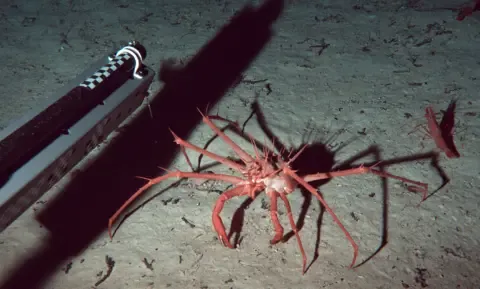
The alien frontier beneath the waves
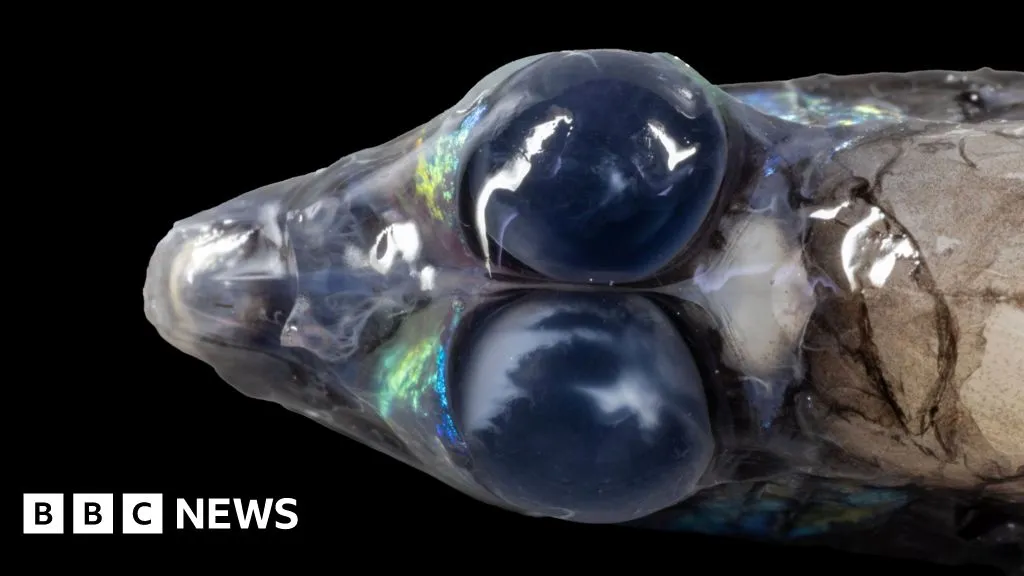
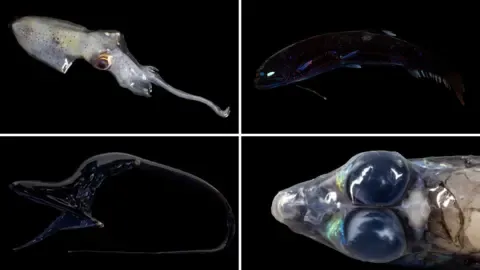
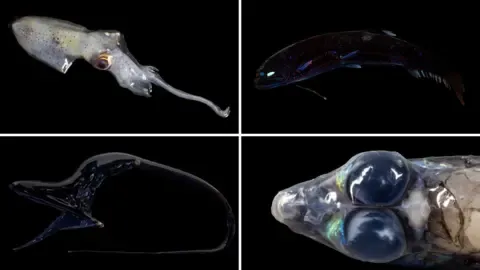
The creatures themselves read like science fiction. Researchers encountered a pelican eel with a glowing pink tail that flashes red to lure prey, a barreleye fish with tubular eyes pointing upward to spot silhouettes, and a dragonfish with a bioluminescent rod beneath its chin. One swimming sea cucumber initially looked like the "headless chicken monster"—a creature that became famous on the internet a decade ago—but turned out to be something entirely different.
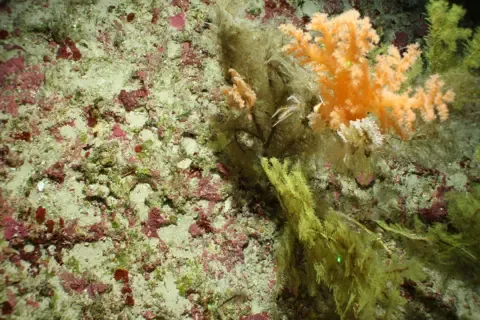
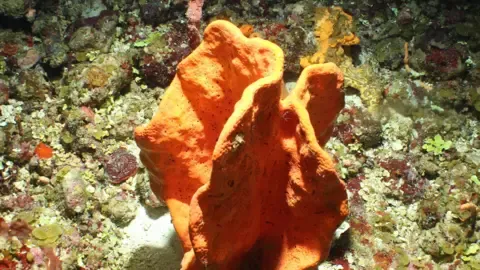
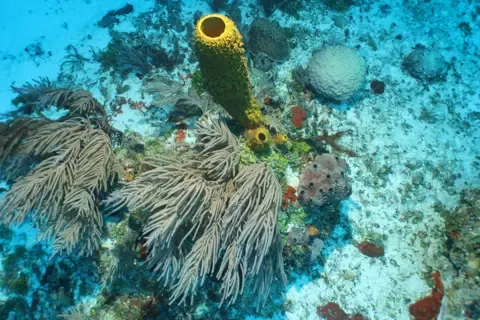
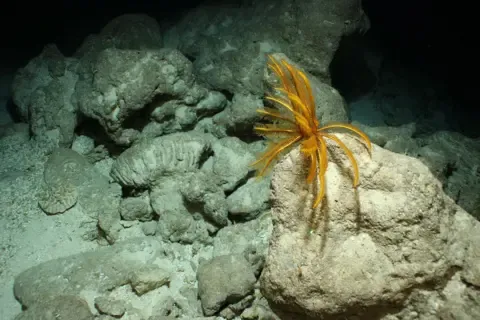
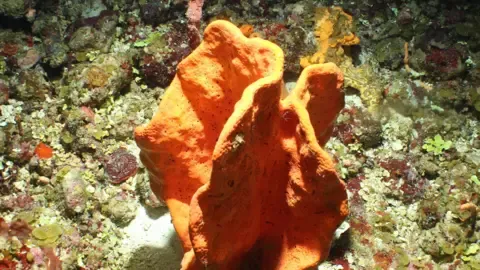
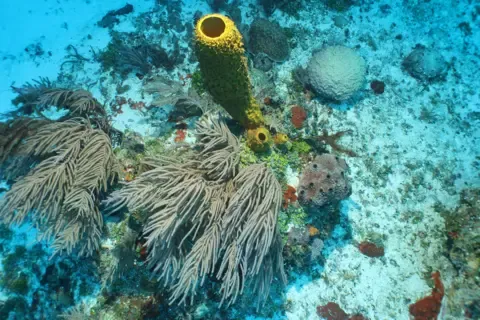
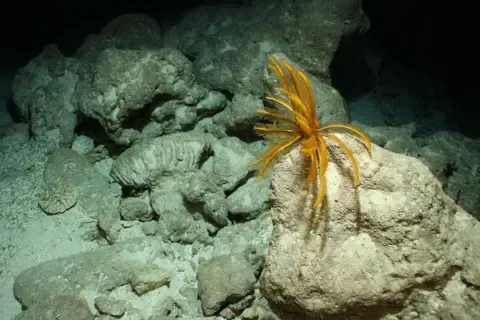
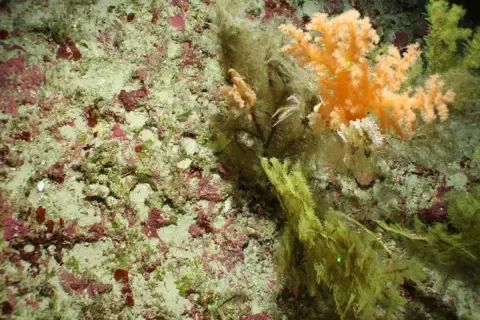
The team's most dramatic discoveries came from mapping the sea floor itself. North of Little Cayman, they found Pickle Bank, an underwater mountain rising from 2,500 meters deep to just 20 meters below the surface. The footage revealed a mountainside blazing with color—golden coral towers next to brain-shaped coral formations, gorgonian whip corals swaying with fish, and orange sea sponges clustered near black coral that may be thousands of years old. In Turks and Caicos, they discovered a 70-kilometer underwater ridge stretching along the sea bed, absent from all existing charts. And 75 kilometers south of Grand Turk, they found a massive blue hole—a vertical sinkhole 300 to 550 meters deep—that likely ranks as the Caribbean's deepest, rivaling Belize's famous Great Blue Hole.

What's remarkable is that even these extreme environments host life. Cameras dropped into the blue hole revealed small sponges, sea urchins, and diverse fish species thriving in what should be a lifeless void.
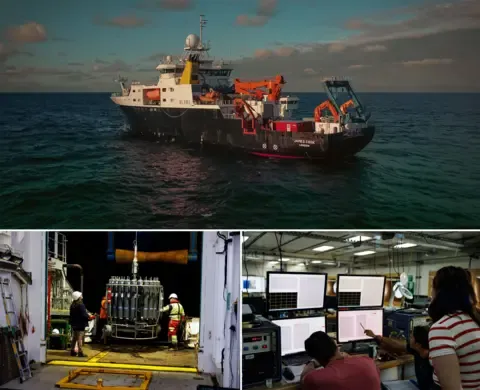
The scale of the work is staggering. Using deep-sea cameras and acoustic instruments lowered from the ship, the team mapped almost 25,000 square kilometers of sea floor and captured 20,000 photographs. "We know the surface of Mars or the Moon better than we know the surface of our own planet," Bell reflected. "You send a satellite around them and map them in a few weeks. We can't do that for our ocean. We have to map it bit by bit."
From discovery to protection
But this expedition was never purely about wonder. The research directly supports the island governments' conservation work. Environmental experts from the Cayman Islands, Anguilla, and Turks and Caicos joined the voyage to use these findings to strengthen biodiversity management and identify sustainable fishing grounds. "Our islands were literally born from the sea," said Kelly Forsythe from the Cayman Islands Department of Environment. "But when it comes to our offshore environments, we really haven't had a chance before to discover what's out there."
The work also feeds into a larger commitment: the UK's legally binding UN pledge to protect 30% of the world's oceans by 2030 through Marine Protected Areas. Bell pointed out a hard truth often overlooked: "Anyone can draw a box on a map and say, 'That's a marine protected area.' But unless you know what's in it, you don't know if that's useful at all." This expedition transforms that equation. Now, when these territories designate protected zones, they'll do so with actual knowledge of what lives there—and why it matters.
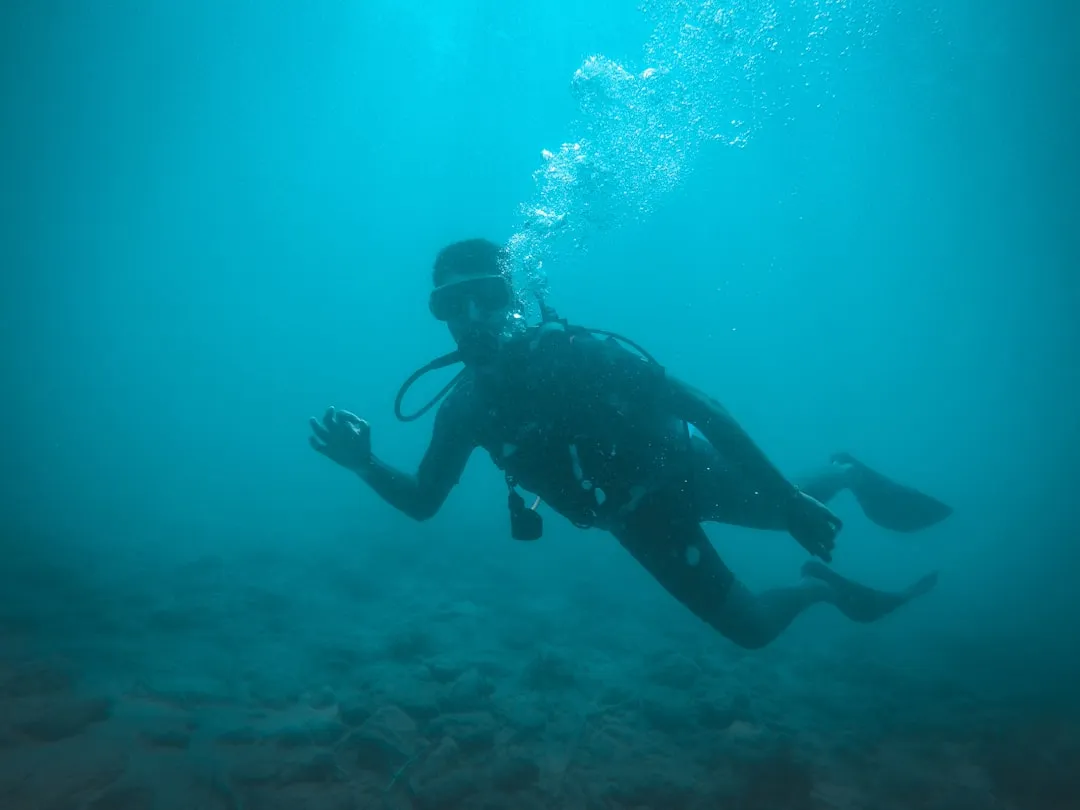
The expedition is just the beginning. More scientific work is needed to formally identify the new species and understand how these deep ecosystems function. But the voyage has already shifted something fundamental: it's shown that even in a world where we've mapped the Moon, there are still entire underwater worlds waiting to be discovered—and protected.