Remember when building a website meant wrestling with arcane lines of code and muttering darkly at your screen? Well, those days might be slowly dissolving into a hazy memory, replaced by something called "vibe coding." Because apparently, that's where we are now.
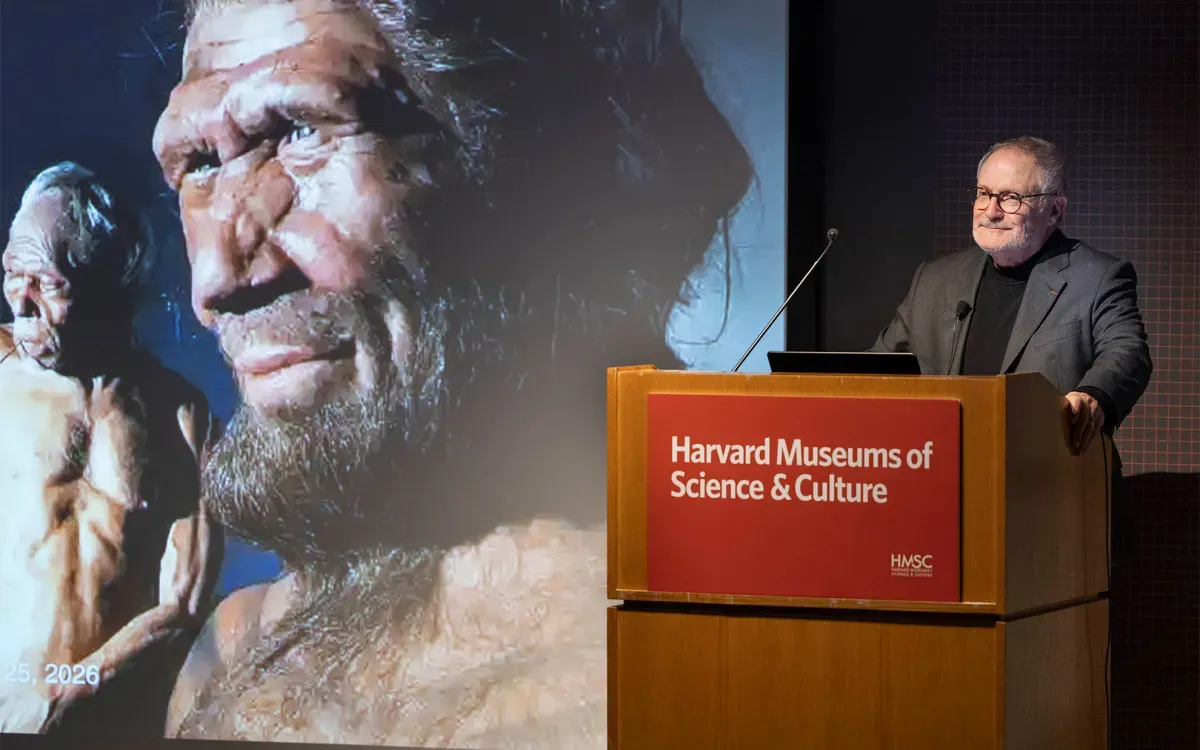
Here's the gist: you describe what you want in plain English, and an AI just… makes it. No coding required. The results might not launch the next SpaceX, but they're often far better than what most non-techies could conjure up. Harvard professor Karen Brennan, who even taught a six-week course on this, found herself genuinely surprised when an AI tool whipped up a research project website for her in a flash.
"Vibe coding," a term popularized by computer researcher Andrej Karpathy in February 2025, essentially means co-creating software with AI without needing to understand the underlying code. It's the ultimate "I've got an idea, make it happen" button, and it's both liberating and, if you think about it, a little unsettling.
We're a new kind of news feed.
Regular news is designed to drain you. We're a non-profit built to restore you. Every story we publish is scored for impact, progress, and hope.
Start Your News DetoxThe Joy of Not Knowing How It Works
Brennan and her doctoral student, Jacob Wolf, designed their course for students with absolutely zero coding or AI background. The goal wasn't to churn out professional developers, but to explore AI as a creative partner. Students spent their weeks playing with different vibe coding tools, building everything from digital storytellers to life-hack apps.
But this wasn't just a tech-fueled joyride. The course also included a healthy dose of skepticism. Students delved into classic computer science texts and modern critiques, grounding their shiny new skills in the long, often complicated, history of AI. Because it's always good to understand the roots, even if you're just vibing.
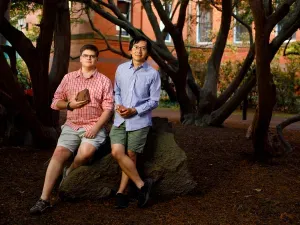
Ninety-two students took the plunge, and the feedback was overwhelmingly positive. Turns out, people really enjoy making things without the usual headache. Let that satisfying number sink in.
The Upsides and the "Uh-Ohs"
On the bright side, vibe coding throws open the doors to software creation. Got an idea? You no longer need a computer science degree or a team of engineers to prototype it. This could dramatically speed up experimentation and innovation. Plus, many tools let you peek at the AI-generated code and even ask the AI to explain it — from highly technical to "explain like I'm five."
But, as with all good things, there are caveats. Environmental impact and cost are real concerns. And then there's the human element: the AI is only as good as your prompt. Students with design or computer science backgrounds often excelled because they could articulate their needs more precisely. Others, stuck in feedback loops where the AI just wasn't getting it, highlighted a subtle but significant issue: vibe coding favors strong verbal communicators. Which, if you think about it, is an interesting twist for a tech skill.

While professional software engineers are still the ones responsible for the nitty-gritty of reliability, security, and safety, vibe coders are free to focus on the flashy results. Brennan noted this difference: vibe coding often prioritizes impressive outcomes over the quality of the creation or the people who might depend on it. It's the difference between building a quick sandcastle and an earthquake-proof skyscraper.
So, what's next? Brennan hopes vibe coding becomes a tool for creative expression and learning in schools, despite the usual challenges of cost and concerns about its impact on critical thinking. Ultimately, the future of vibe coding, she believes, will be shaped less by the tech itself and more by politics, policy, and people.
Because in a world where technology can do almost anything we ask, the real essential life skills might just be imagining, expressing, reviewing, and refining our ideas. And if that's not a vibe, what is?