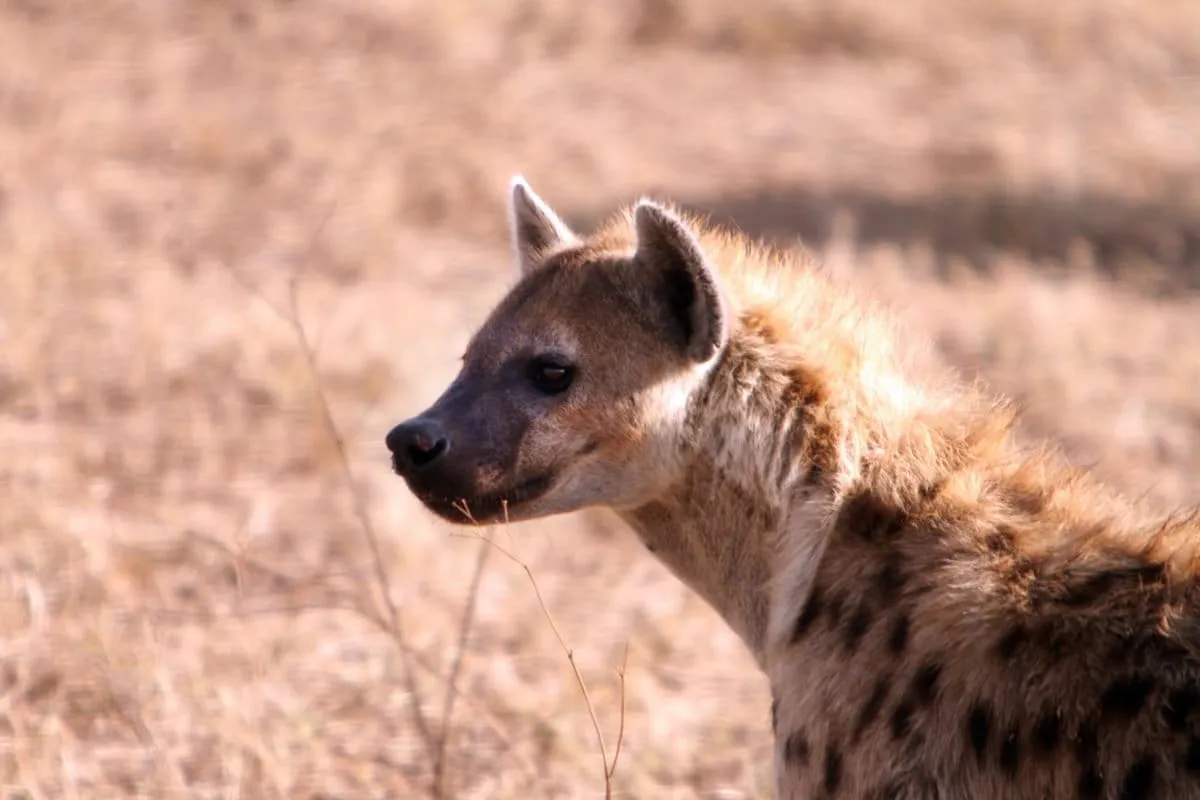
On November 8, a photo spread across social media in eastern Nepal showing what appeared to be spotted hyenas entering Rangeli municipality from the India-Nepal border. Within hours, the District Forest Office had deployed teams to capture the animals. National media picked up the story. Then came the correction: the image was false, and African hyenas don't live in Nepal anyway.
"No one could confirm the sighting, and we later found the information to be false," said district forest officer Utsav Thapa.
The incident itself is small — a viral misidentification, quickly debunked. But it points to something larger happening across Nepal: online misinformation is reshaping how people understand their own environment, particularly when it comes to wildlife.
We're a new kind of news feed.
Regular news is designed to drain you. We're a non-profit built to restore you. Every story we publish is scored for impact, progress, and hope.
Start Your News DetoxWhen False Stories Shape Real Fears
Gobinda Pokharel, a conservation officer at the National Trust for Nature Conservation Nepal, has watched this pattern repeat. "When it comes to wildlife, even many mainstream media publish unverified reports that help spread false information," he told Mongabay. "Such instances not only incite fear and confusion but also affect people's perception of animals, their behavior and, eventually, their conservation."
The hyena story isn't isolated. As smartphones and internet access expand across Nepal, misinformation spreads faster than corrections can catch up. Wildlife sightings, protest claims, health warnings — false reports now move through social media and mainstream outlets simultaneously, creating panic before verification happens, if it happens at all.
This matters because fear shapes policy. When communities believe dangerous animals are arriving, they demand removal or culling. When they distrust what they're being told, they become less likely to support conservation efforts that actually protect both wildlife and people. The false narrative becomes as real as the animal itself in determining how people act.
The challenge isn't just technical — it's cultural. Nepal's rapid digital adoption has outpaced digital literacy. Many people sharing these posts aren't trying to deceive; they genuinely can't distinguish between a credible source and a fabricated one. Mainstream media, under pressure to publish quickly, sometimes skip verification. The result is a landscape where misinformation and legitimate news flow through the same channels at the same speed.
Conservationists and journalists in Nepal are beginning to address this, pushing for better fact-checking practices and media literacy programs. The hyena incident, despite being false, may have done something useful: it made the problem visible enough that people started asking harder questions about what they were seeing online.