Around 1,100 years ago, bison hunters stopped using a hunting ground near present-day Judith Gap, Montana—even though bison were plentiful and the site had worked reliably for seven centuries. The mystery of why they left has just been solved: severe, recurring droughts made water too scarce to process their kills.
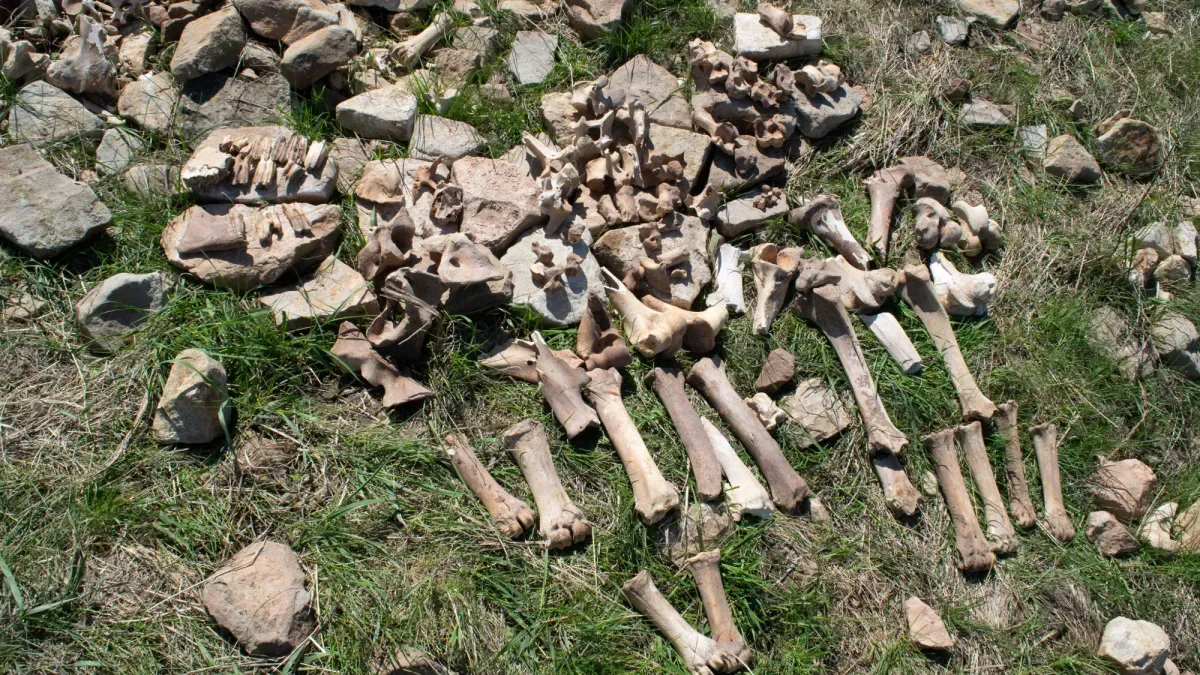
Dr. John Wendt and his team at New Mexico State University spent years excavating the Bergstrom site, digging nine meter-square pits and analyzing charcoal fragments, sediment cores, and pollen records. The geological layers told a story of climate stress. Droughts lasting decades had hit the region both before and after the site's final abandonment, shrinking the water available in a small nearby creek that hunters relied on.
Why Now, Not Before?
But here's what made the puzzle interesting: bison hadn't disappeared. The vegetation hadn't changed. Fire activity remained steady. So why abandon a proven hunting location? The answer lay in how hunting culture itself had shifted.
We're a new kind of news feed.
Regular news is designed to drain you. We're a non-profit built to restore you. Every story we publish is scored for impact, progress, and hope.
Start Your News DetoxOver the same period, bison hunters were reorganizing from small, mobile groups into larger, more coordinated operations. These bigger groups built permanent infrastructure and stayed longer at each site, which meant they could produce surplus meat for trade and winter storage. That was valuable. But it came with a cost: they needed reliable access to water, forage, and fuel in one place. A site without water wasn't just inconvenient anymore—it was incompatible with how they now hunted.
"These larger operations were based on large kills and could produce surplus for trade and winter storage, but they also meant more dependence on specific resources like water, forage for larger herds, and fuel for processing fires," Wendt explained.
The Bergstrom site, once flexible enough to sustain smaller groups, became a liability when water ran dry and hunting demanded more infrastructure. Hunters moved on to locations with more reliable resources—a rational response to both environmental stress and their own changing needs.
What's striking is that this adaptation worked. Bison hunters passed down the knowledge and flexibility to reorganize again and again as climate shifted over centuries. That same adaptive capacity shows up in modern bison management systems today, suggesting that long-term survival often depends less on having perfect conditions and more on being willing to change.