Wildlife trafficking moves through ports hidden in plain sight. Every year, 4,000 species—from pangolins to rare birds—get caught in a global black market. In 2025 alone, authorities seized 3.7 tonnes of pangolin scales in Nigeria, meaning more than 1,900 individual pangolins were killed. Yet these are just the catches. Most trafficking slips through undetected.
The real problem: only about 2% of shipping containers get physically inspected. They're stacked high, hard to access, and there aren't enough wildlife-specific detection tools. Traffickers know this. They exploit it.
But researchers just cracked a method that changes the math. It's simple. It's cheap. And it uses something that's been working for centuries: a dog's nose.
We're a new kind of news feed.
Regular news is designed to drain you. We're a non-profit built to restore you. Every story we publish is scored for impact, progress, and hope.
Start Your News DetoxA nose for crime
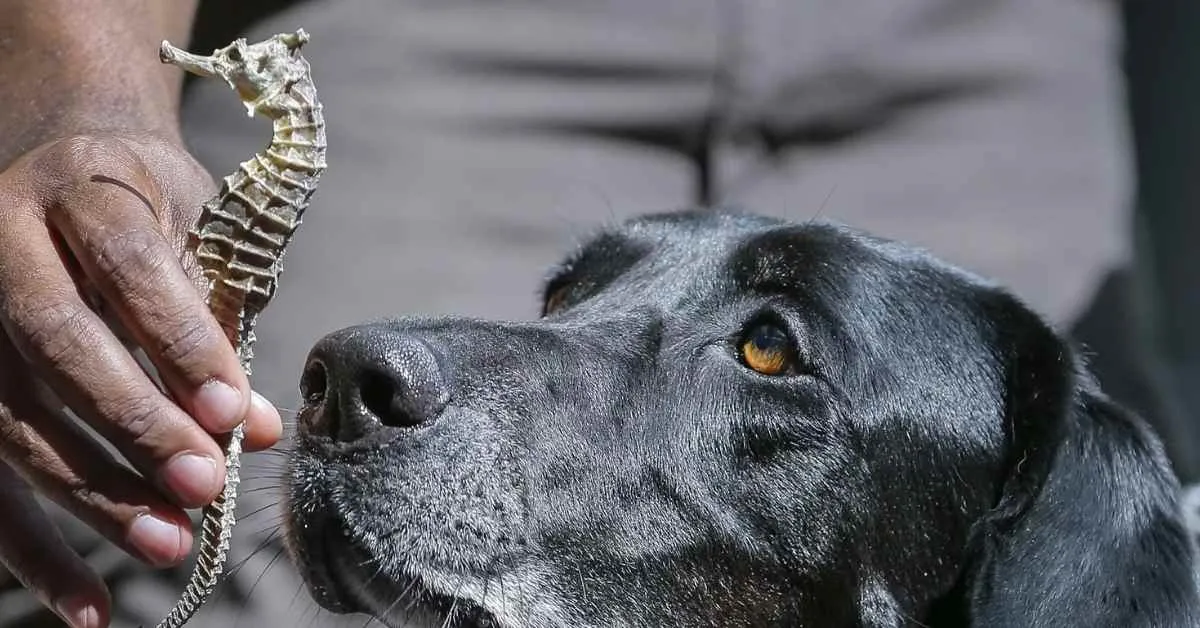
A four-year collaboration between researchers and CMA CGM—the world's third-largest shipping company—designed a portable air extraction device that clips onto a standard container vent. It pulls air through a filter, capturing whatever scent is inside. Then a trained detection dog sniffs the sample.
In controlled trials, researchers hid pelts from five big cat species (lion, tiger, leopard, snow leopard, cheetah) inside sealed shipping containers, sometimes buried inside cardboard boxes for extra concealment. The detection dog found them 98% of the time. The scent escaped into the container's airspace and got caught by the filter, even through layers of hiding.
This matters because it flips the logistics. Instead of dogs navigating dangerous, inaccessible stacks of containers, the scent comes to them. One dog can screen far more containers, far faster, without disrupting port operations or damaging cargo.
Detection dogs already work customs and border agencies worldwide. But they've been limited by the physical reality of ports—containers that are locked, stacked, in unsafe environments. This approach solves that. "Bringing the scent to the dog" is the kind of elegant fix that makes you wonder why it took this long.
What's next
Researchers are now planning trials in actual port environments across a wider range of wildlife products. They're also testing machine-based detectors to analyze samples, though early results show dogs still outperform the technology. The air extraction device is low-cost and portable—exactly what high-risk ports and border crossings need.
The method could also adapt to detect other trafficking: drugs, explosives, anything with a scent signature. That's the real draw for border agencies already stretched thin.
Wildlife trafficking isn't just a conservation crisis. It's a public health threat—hunting and handling wild animals creates pathways for diseases to jump to humans. Disrupting these networks faster means protecting endangered species and protecting people. The next step is proving this works in the real chaos of a working port.