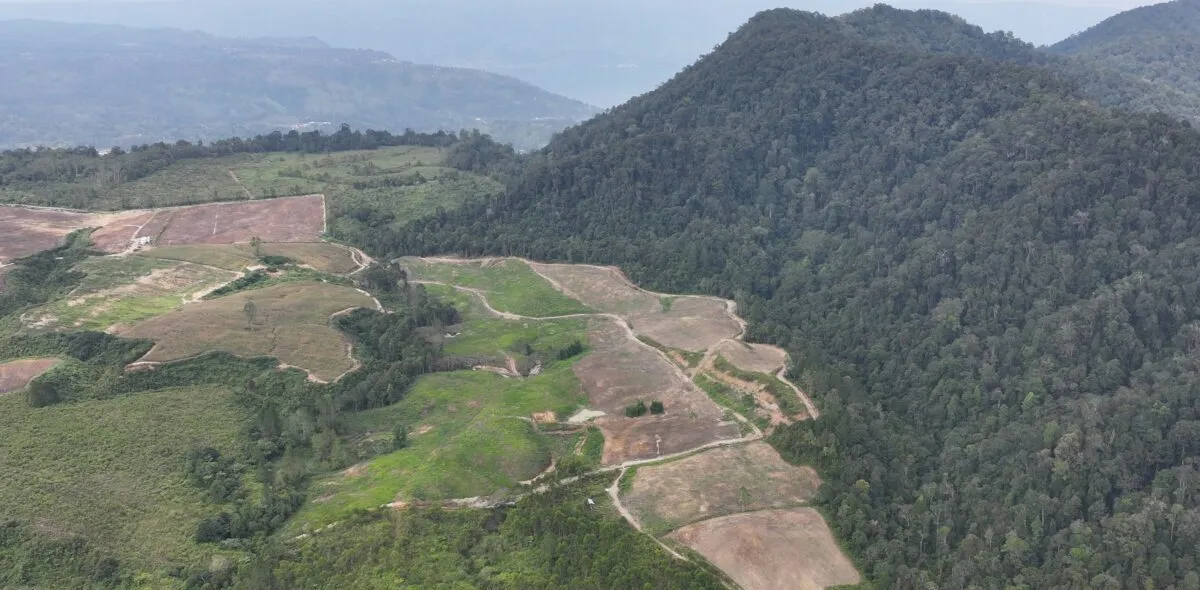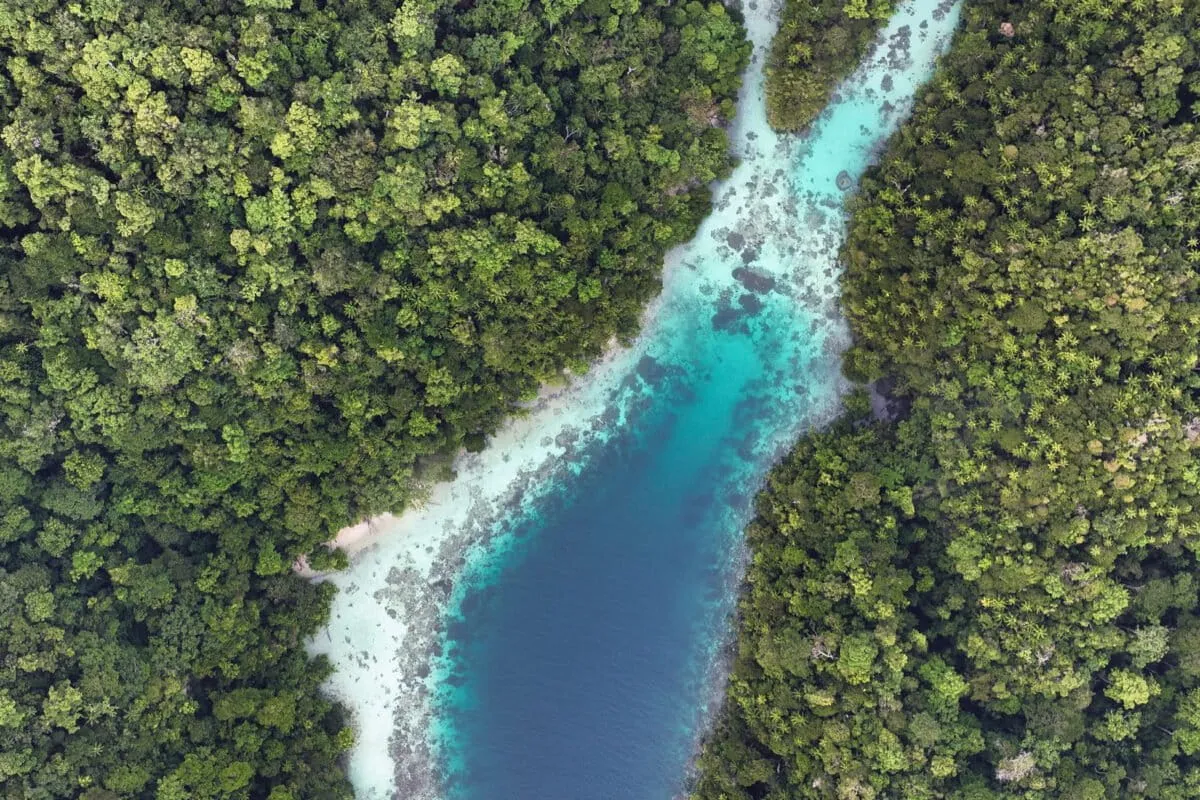
Conservation funding is finite, but the places where it's needed aren't all the same. A forest restoration project that thrives in one region might struggle in another. A wildlife corridor that connects populations in one landscape might sit unused in a different ecosystem. Yet for decades, conservation has largely treated these interventions as though they work everywhere equally.
That's beginning to change. Researchers are now using data and statistical methods to predict exactly where a given conservation action — whether it's planting trees, creating protected areas, or controlling invasive species — will actually deliver results. The approach, called "precision ecology," mirrors how modern medicine matches treatments to individual patients rather than prescribing the same drug to everyone.
The Case for Targeting
A 2025 perspective published in Nature Ecology & Evolution by Rebecca Spake and colleagues makes the case that conservation science has been thinking about this backwards. Instead of asking "does forest restoration work," managers should ask "where will forest restoration work best for the resources we have." The difference sounds subtle but it reshapes how conservation money gets spent.
We're a new kind of news feed.
Regular news is designed to drain you. We're a non-profit built to restore you. Every story we publish is scored for impact, progress, and hope.
Start Your News DetoxThe logic is straightforward: the same intervention succeeds in one place and fails in another because of ecological differences, local governance, community buy-in, or simply how the landscape is configured. A river buffer zone prevents erosion in one catchment but does little in another. Invasive species control is transformative in island ecosystems but less impactful on large continental areas. Recognizing these differences isn't new — field ecologists have always known this. What's new is the ability to predict it systematically across landscapes using machine learning and statistical methods borrowed from economics.
These approaches can sift through environmental data — soil type, rainfall, existing vegetation, human population density, governance capacity — to estimate which forest stands would gain the most carbon from restoration, which wetlands would filter the most water if protected, or which corridors would actually be used by wildlife. The goal isn't to replace on-the-ground expertise. It's to help managers spend limited resources on interventions most likely to work in their specific context.
This matters because conservation budgets are shrinking while land-use pressures are intensifying. A protected area that protects the wrong patch of forest protects less biodiversity per dollar spent. A restoration project in unsuitable conditions wastes years and money. Precision ecology won't solve the funding crisis, but it could stretch existing resources further by eliminating guesswork about where interventions land.
The approach is already emerging in practice. Some conservation organizations are using species distribution models and landscape analysis to prioritize where to focus habitat restoration. Others are analyzing which protected areas are actually preventing deforestation versus which ones overlap with land that wouldn't be cleared anyway. It's not glamorous work — it's mostly spreadsheets and statistical models — but it's beginning to reshape where conservation happens.
The challenge now is scaling these methods beyond research papers into the hands of field managers in regions with the fewest resources and the most conservation need. That requires not just better science but better tools, training, and institutional willingness to admit that not every conservation dollar spent in the same way everywhere delivers equal value.