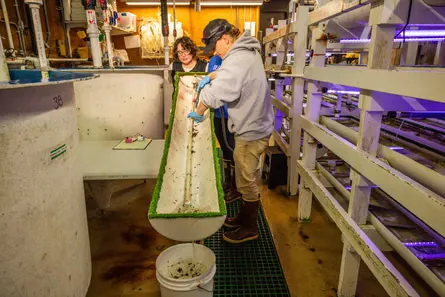
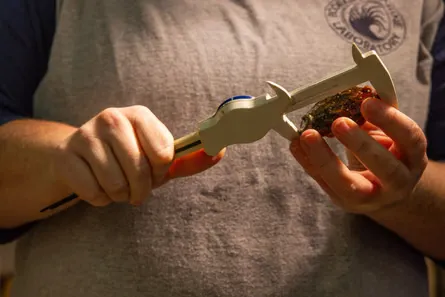
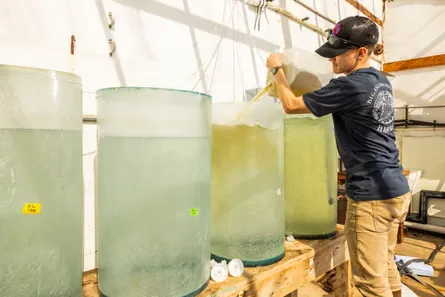
On a January afternoon at UC Davis's Bodega Bay lab, 70 miles north of San Francisco, researchers gathered around troughs of seawater for spawning day. Alyssa Frederick, the program director, watched as volunteers and biologists measured, weighed, and inspected 110 white abalone—some as big as coconuts. If the animals passed their health checks, they'd be moved into buckets filled with hydrogen peroxide, a chemical that triggers females to release eggs and males to release sperm. The goal: millions of larvae that could eventually be released into the wild along the southern California coast.
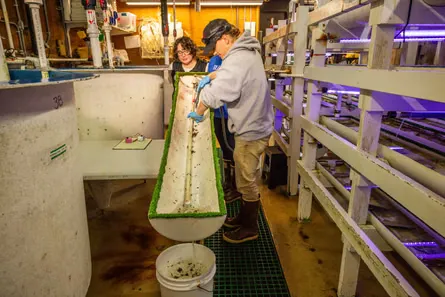
This moment represents 25 years of work to pull a species back from oblivion. In 2001, when the first artificial spawning program began, only about 2,000 white abalone remained—just 1% of the original population. They were too scattered across the ocean floor to reproduce naturally. Without intervention, extinction would have followed within a decade. The white abalone became the first marine invertebrate listed as endangered in the US.
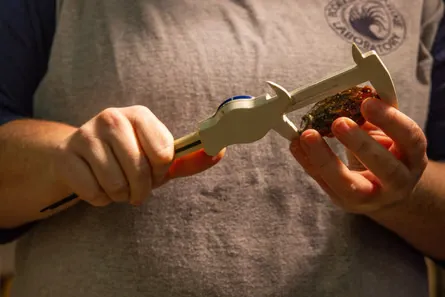
The turnaround has been measurable. Since the Bodega Bay lab opened in 2011, scientists have released over 20,000 abalone into the ocean. One successful spawning produced more than 12 million fertilized eggs. Not all will survive to adulthood, but the trajectory matters: the lab is now producing offspring at scale, something that seemed impossible two decades ago.
We're a new kind of news feed.
Regular news is designed to drain you. We're a non-profit built to restore you. Every story we publish is scored for impact, progress, and hope.
Start Your News Detox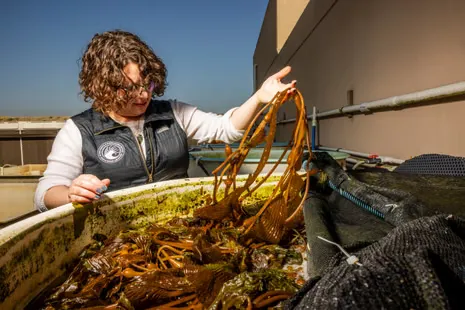
How a Delicacy Became Endangered
White abalone were once so abundant along the California coast that they piled on top of each other in the shallows. Slow-moving and delicious, they became a prized food for indigenous tribes and later for commercial fishers. Jack London celebrated them in verse. By the 1970s, overfishing had depleted most abalone species. The white abalone, found in deeper waters from Point Conception to Baja California, became the focus of an intense harvest. Within a decade, fishers took 280 tons. A 1992-93 survey of historic sites found only three white abalone where thousands once lived.
The collapse revealed a fundamental problem with how these creatures reproduce. White abalone use broadcast spawning—males and females release eggs and sperm into the water, hoping they meet. When populations drop below a critical density, the gametes simply drift apart. The snails can't find each other to breed. By 2001, they were too scattered to spawn on their own.
The early captive breeding program began with 18 wild snails brought to a southern California facility. It worked—until withering syndrome, a fatal disease, swept through and killed the animals. In 2011, UC Davis opened a new lab in Bodega Bay, where the disease hadn't yet appeared. The team could start fresh.
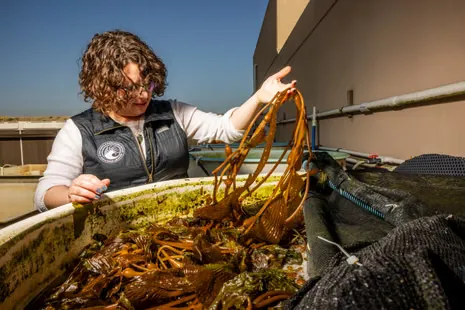
Today, the lab faces a different challenge: habitat loss. Ninety-five percent of kelp forests along the northern California coast have disappeared in recent years, likely due to warming waters and an explosion of purple sea urchins. The urchins' natural predator, the sunflower sea star, has been dying from disease. Without predators to control them, urchins have mowed the kelp forests to bare rock. Abalone, which feed on kelp, starve in the process. So the lab grows its own kelp in outdoor tanks to feed the captive population—a workaround that highlights how much the ecosystem has changed.
The Vulnerability of Hope
In April 2024, the lab faced an unexpected threat. The Trump administration proposed $1.7 billion in cuts to NOAA, the federal agency that oversees endangered species recovery. The white abalone program's three-year grant was caught in the crosshairs. Suddenly, the five-person team had no funding and no clear path forward. A quarter-century of progress hung in the balance.
Anonymous donors stepped in with emergency funding. Then federal money came through for 2026. As of now, the lab expects to receive the remainder of its grant, securing another two years of operation. But the episode exposed a fragility in species recovery work. Frederick, the program director, drew a hard lesson: "If you want to save a species, you can no longer rely fully on federal funding. That's just poor risk management."
This insight matters beyond the abalone. Endangered species recovery depends on sustained commitment, but that commitment is vulnerable to political shifts and budget cycles. The white abalone program survived this time. Many others won't be so lucky.
The Strange Beauty of Persistence
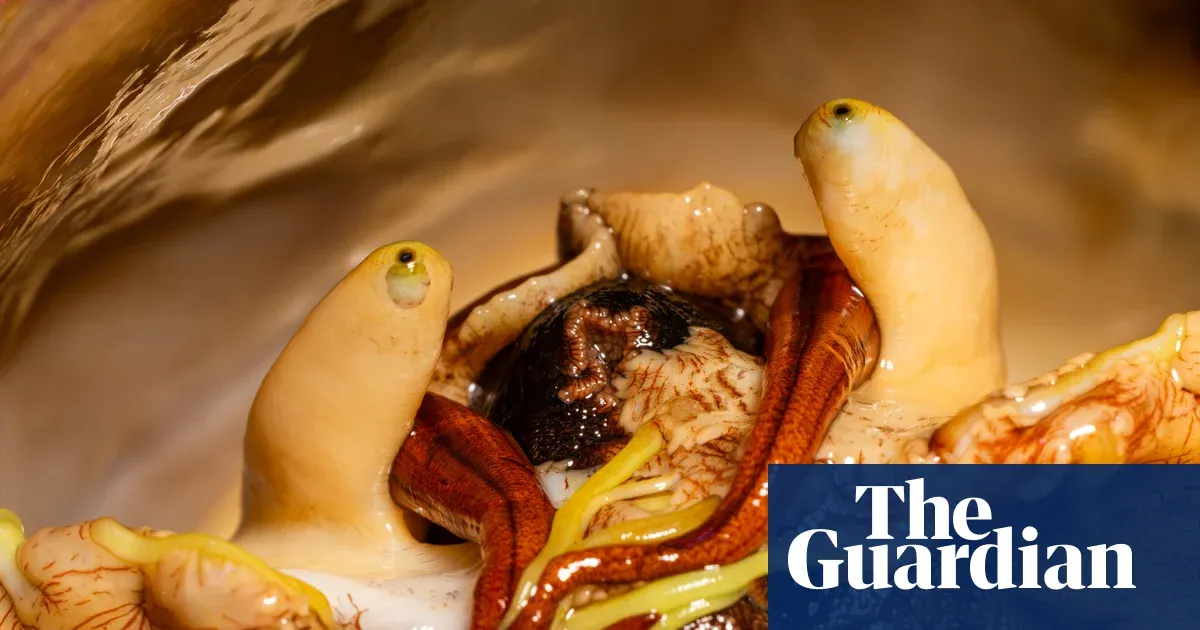
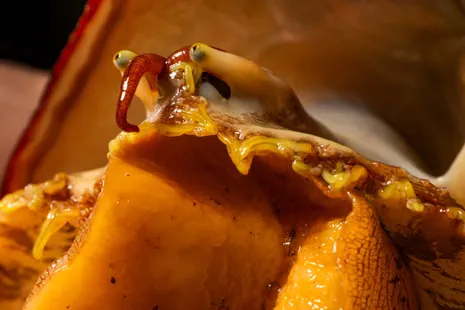
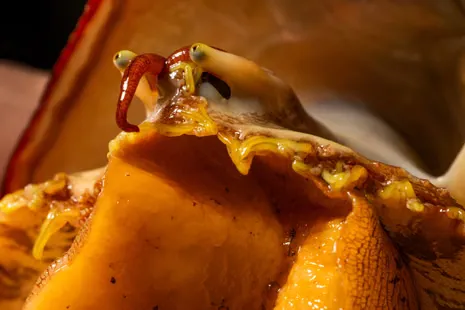
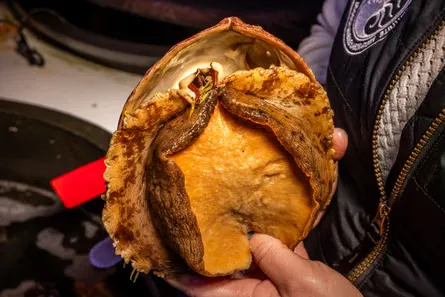
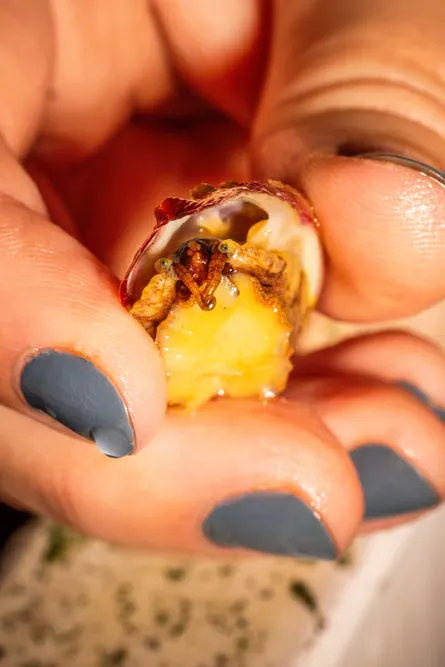
When Frederick holds up a white abalone for inspection, the creature is unremarkable at first—a mauve shell covered in ridges, looking more like a catcher's mitt than a sea snail. Then it moves. The muscular foot lowers, revealing the shell's pearly interior. Two tentacles emerge. A brown head appears. The snail is looking back, curious and shy. Frederick calls them "derpy," and the word fits. There's something endearing about a creature so alien that it becomes charming.
That mix of strangeness and vulnerability is what keeps Frederick going. Many ocean scientists watch their work become a rearguard action—documenting decline, managing extinction. The white abalone program is different. "It's just so hopeful," Frederick said. "So many people studying the ocean have a really hard job. They have to watch the ocean degrade or watch a species go extinct. In this situation, we get to actually restore the white abalone. It's kind of amazing. That never happens."
One spawning day in January doesn't save a species. But it's a tangible win in a field where wins are rare. If the lab continues its work, if the funding holds, if the released abalone find kelp forests that recover and begin breeding in the wild—then in 35 or 40 years, a white abalone born in a tank in Bodega Bay might live out a full lifespan in the ocean, as its ancestors once did.