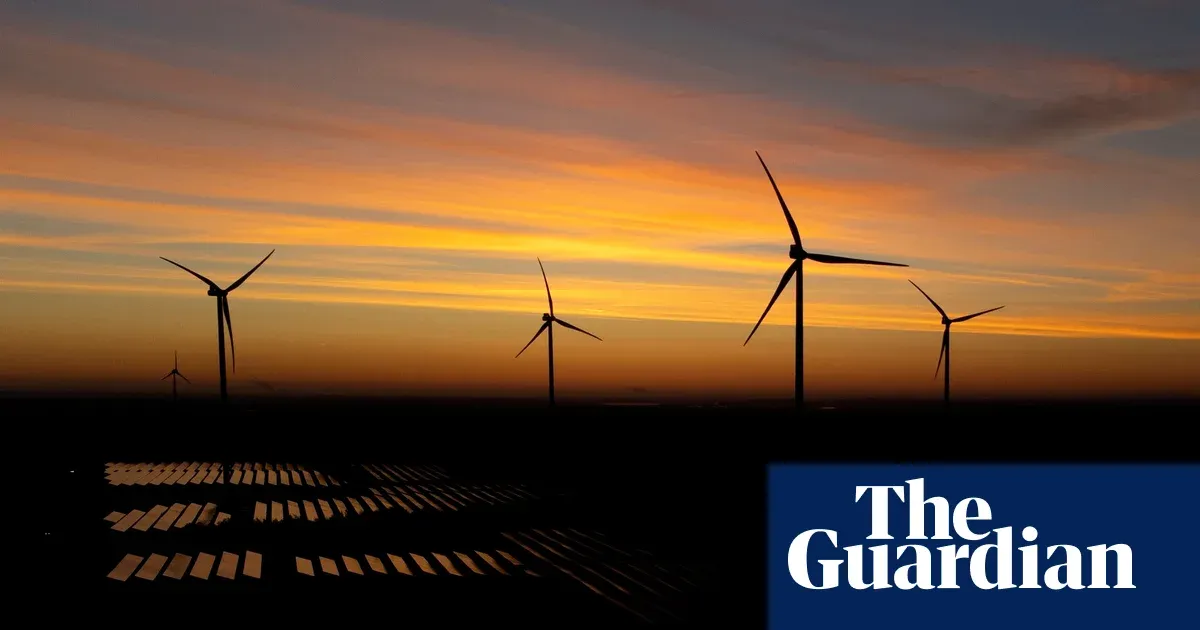
For the first time, renewable energy has outpaced fossil fuels across the entire European Union. In 2025, wind turbines and solar panels generated 30% of the bloc's electricity, edging out coal, oil, and gas at 29%.
It's a threshold that matters more than the single percentage point suggests. The EU has spent years trying to break its dependence on imported energy—a vulnerability that became impossible to ignore after Russia's invasion of Ukraine. Clean power, generated at home, now represents the path away from that risk.
How Solar Became the Breakthrough
The shift was driven almost entirely by solar. In a single year, solar capacity grew by more than 20%, a pace that outstrips any conventional power technology the world has deployed before. Five EU countries—including the Netherlands—now get more than 20% of their electricity from solar panels. Germany, despite its cloudy reputation, installed record capacity. Spain and Italy pushed further still.
We're a new kind of news feed.
Regular news is designed to drain you. We're a non-profit built to restore you. Every story we publish is scored for impact, progress, and hope.
Start Your News DetoxWind remained the second-largest source at 17% of EU power, though it dipped slightly from the previous year due to weather patterns. Coal, meanwhile, hit a historic low of less than 10%, concentrated mainly in Germany and Poland where coal plants still dominate the grid.
The one complication: fossil gas actually increased by 8% in 2025, a temporary bump caused by unusually low rainfall that reduced hydropower output across the continent. But even with that spike, gas remains well below its 2019 peak, and the trajectory is clear.
The Real Challenge Isn't Generation Anymore
The harder part begins now. Renewable energy is abundant when the sun shines and wind blows, but electricity demand peaks in the evening, when solar panels stop producing. For years, Europe burned gas to fill those gaps. The answer isn't generating more clean power—it's storing it and moving it where it's needed.
Italy offers a glimpse of what's possible. The country hosts one-fifth of all the battery storage capacity operating across the EU, and those batteries are increasingly meeting evening demand peaks that once required gas plants to fire up. If that pattern spreads, it could reshape investment decisions. Why build a new gas plant if batteries and smart grids can handle the load.
The infrastructure challenge is real—grid upgrades, battery deployment, and the systems to balance supply and demand across borders will take years. But Europe has already proven it can scale solar faster than anyone expected. The next phase is making sure that power reaches people when they need it.