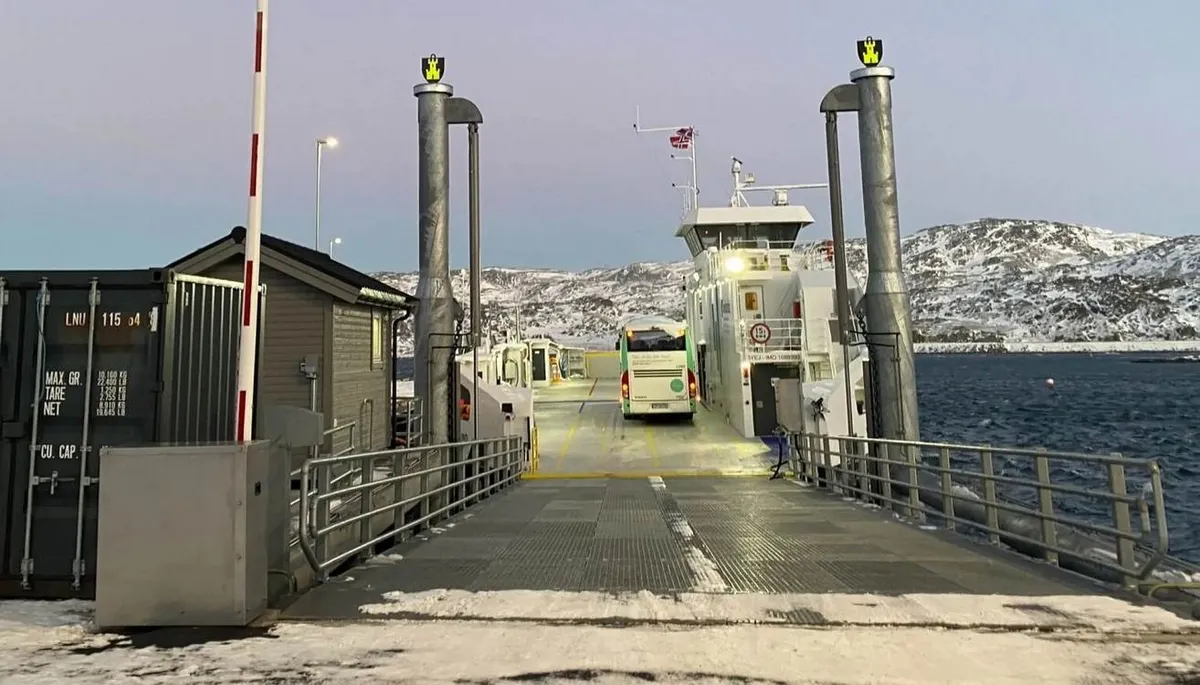
On January 1st, the M/F Vargsund made its first crossing between two Arctic islands in temperatures that would freeze most things solid. At minus 25 degrees Celsius, the 50-meter ferry carried 28 cars and 100 passengers on batteries alone—no diesel engine, no backup generator. Just electricity and the cold.
The ferry links Kvaløya and Seiland in Finnmark, Norway's northernmost county, and it matters because this is where green technology gets tested hardest. Cold drains batteries faster. Salt spray corrodes electronics. Infrastructure is sparse. If electric ferries work here, they work almost anywhere.
"This is not just about new ferries," Torghatten, Norway's largest ferry operator, said in a statement. "It's about the future. About showing that green technology works—even in the far north, even in tough conditions."
We're a new kind of news feed.
Regular news is designed to drain you. We're a non-profit built to restore you. Every story we publish is scored for impact, progress, and hope.
Start Your News DetoxTorghatten isn't alone in betting on this. The company already runs a fully electric ferry between Bognes and Lødingen on another northern route. Both vessels cut the operator's carbon emissions significantly. For a country where ferries are essential infrastructure—not luxury transport—switching from diesel to batteries represents a shift in how entire regions move.
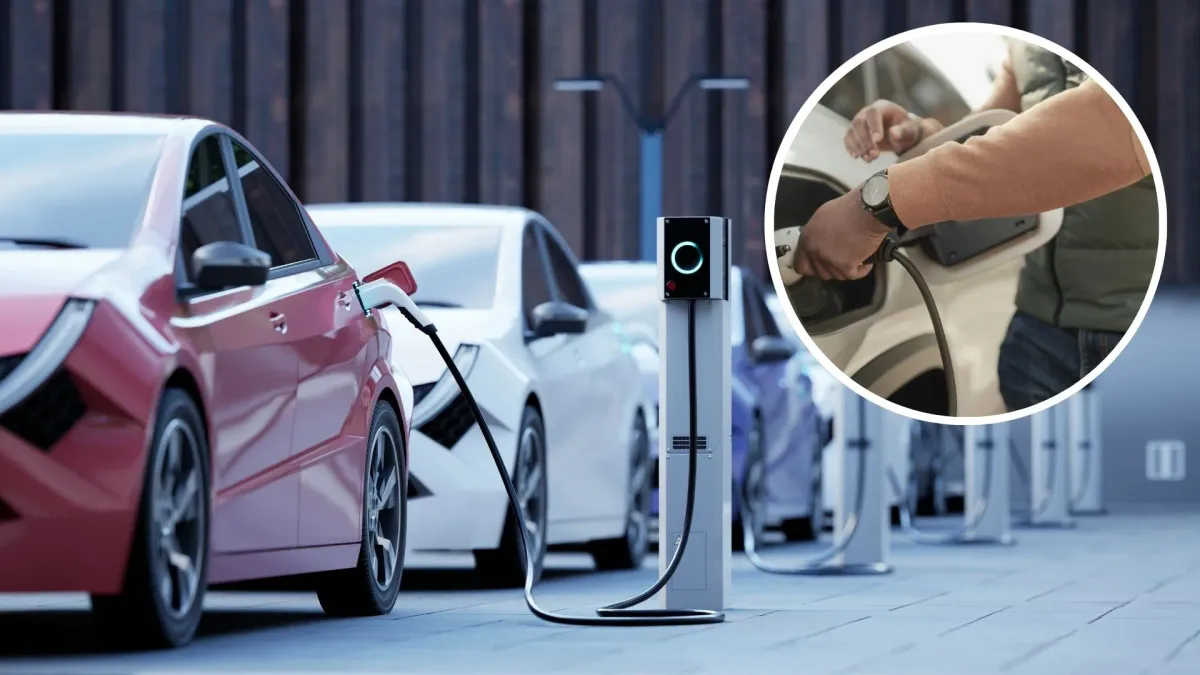
The timing reflects a broader momentum in Norway. In 2025, nearly 96% of all new cars registered in the country were electric. That's not aspirational policy language. That's the market. When you remove the price premium and build the charging network, people choose electric. The ferry follows the same logic: prove it works in the hardest conditions, and it becomes the new standard.
What happens next matters beyond Norway. Other Nordic countries, Canada, and Russia all operate ferries in similar climates. They're watching. If Torghatten can run electric ferries reliably in minus 25 degrees, the argument that "cold climates need fossil fuels" collapses. The technology doesn't care about the temperature. The infrastructure does.