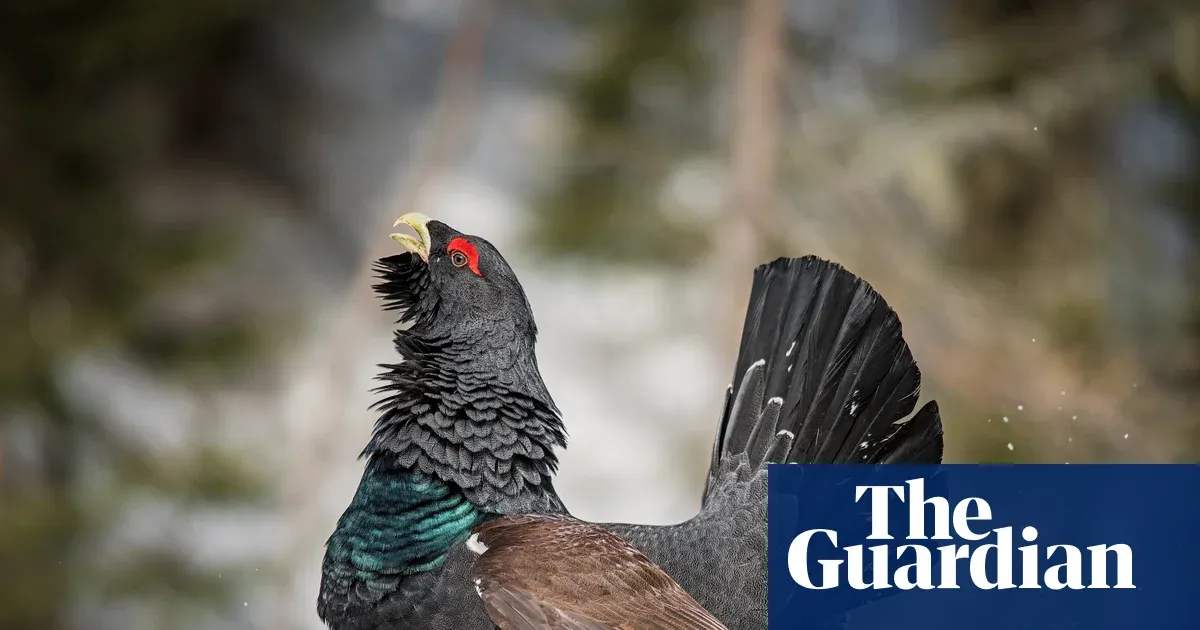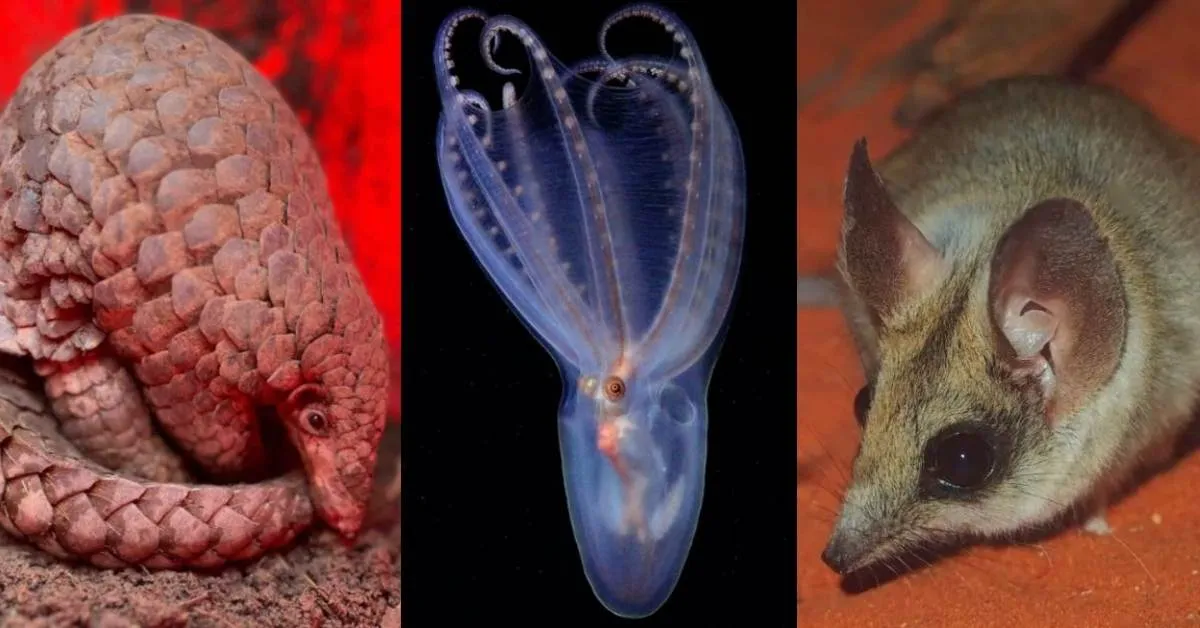
Every year, researchers formally describe more than 16,000 species new to science. That's roughly 44 species per day — insects, plants, fungi, vertebrates, organisms we didn't know existed until someone looked closely enough to see them.
For context: we're losing species to extinction at roughly 10 per year. The math is stark. Discovery is outpacing loss by a factor of 1,600.
"Right now, we know of about 2.5 million species," says John Wiens, an ecologist at the University of Arizona who led a new analysis of species discovery rates. "But the true number may be in the tens or hundreds of millions or even the low billions." We are, in other words, still in the early chapters of cataloging life on Earth.
We're a new kind of news feed.
Regular news is designed to drain you. We're a non-profit built to restore you. Every story we publish is scored for impact, progress, and hope.
Start Your News DetoxWiens and his team analyzed the taxonomic histories of roughly 2 million species, tracking how many new ones have been formally described each year since 2015. The consistency is striking: more than 16,000 annually, year after year. These aren't all microscopic organisms hiding in soil samples. The list includes hundreds of new vertebrates — birds, mammals, reptiles — along with visible plants and insects that somehow went unrecorded until now.
Why documentation matters more than you'd think
Here's the thing that changes the framing: a species can't be protected until it's formally described. You can't write it into a conservation law. You can't fund its habitat preservation. You can't even understand what you're losing if the species doesn't yet exist in the scientific record.
"Documentation is the first step in conservation," Wiens says. "We can't safeguard a species from extinction if we don't know it exists."
This discovery pipeline has already shifted how we approach medicine. Spider and snake venoms, certain plants and fungi — these newly identified species contain compounds now being tested to treat pain and cancer. We're still learning what these organisms can do for human health, which means the work of naming and cataloging them isn't academic busywork. It's groundwork.
The rate of discovery has accelerated partly because technology has improved. DNA sequencing is faster and cheaper. Researchers can now identify species that look nearly identical to known ones by examining their genetic code. Expeditions to remote forests, coral reefs, and cave systems continue turning up organisms that have lived there for millennia, just waiting to be noticed.
Wiens is careful not to let this good news become an excuse. The discovery rate outpacing extinctions doesn't mean conservation efforts should ease up or that climate research should take a back seat. It means we're in a race to know what we have before we lose it. And right now, the knowledge is winning.