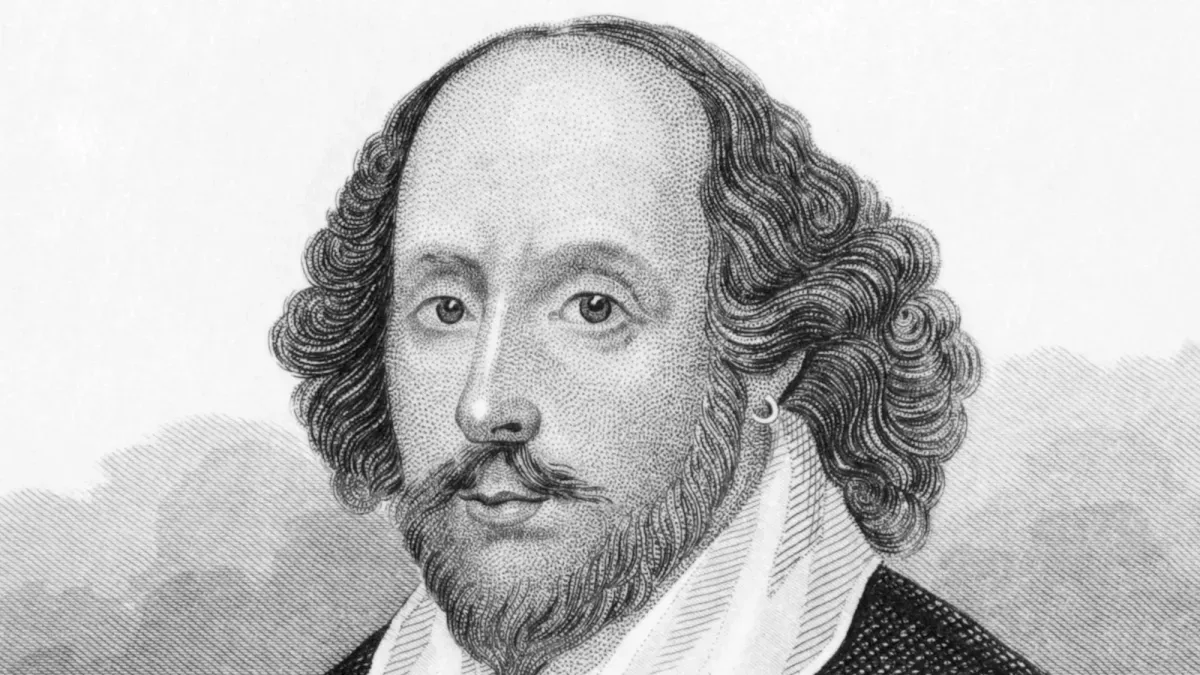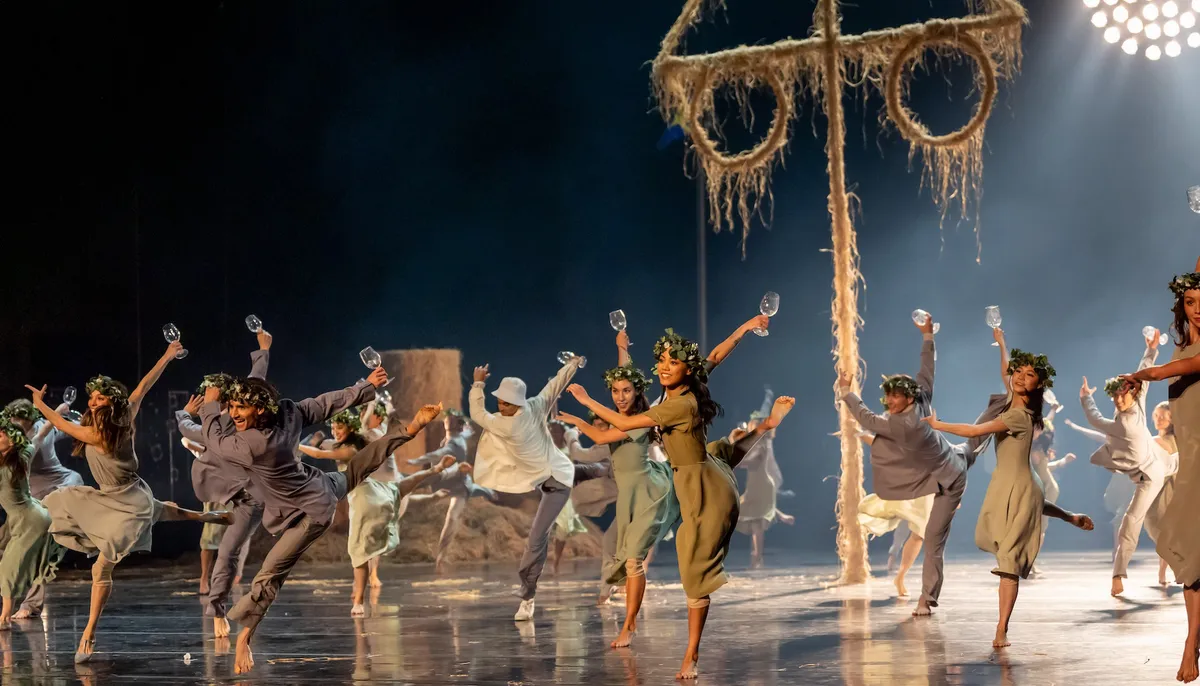
Shakespeare is often called the king of drama. He shaped how stories are told, influencing many plotlines we see today. His impact goes beyond just language and famous quotes.
Many familiar story elements, or "tropes," in modern TV and movies were refined on Shakespeare's stage. He masterfully controlled comedy, tragedy, and chaos for maximum effect.
Mistaken Identity
Mistaken identity is a classic storytelling tool that creates chaos and confusion. Shakespeare didn't invent it, but he made it a dramatic staple. He drew from older comedy traditions and sharpened the trope for the stage.
We're a new kind of news feed.
Regular news is designed to drain you. We're a non-profit built to restore you. Every story we publish is scored for impact, progress, and hope.
Start Your News DetoxThe audience often knows more than the characters, which makes watching events unfold exciting. For example, in The Comedy of Errors, two sets of identical twins cause a series of mix-ups. In As You Like It, Rosalind disguises herself as Ganymede.
In Twelfth Night, Viola pretends to be Cesario after a shipwreck. This puts her in a love triangle, and the more she tries to manage it, the more her true identity threatens to be revealed.
This trope is still popular today. The 2006 movie She’s the Man updates Twelfth Night by having a girl pose as her twin brother to play soccer.
Play Within a Play
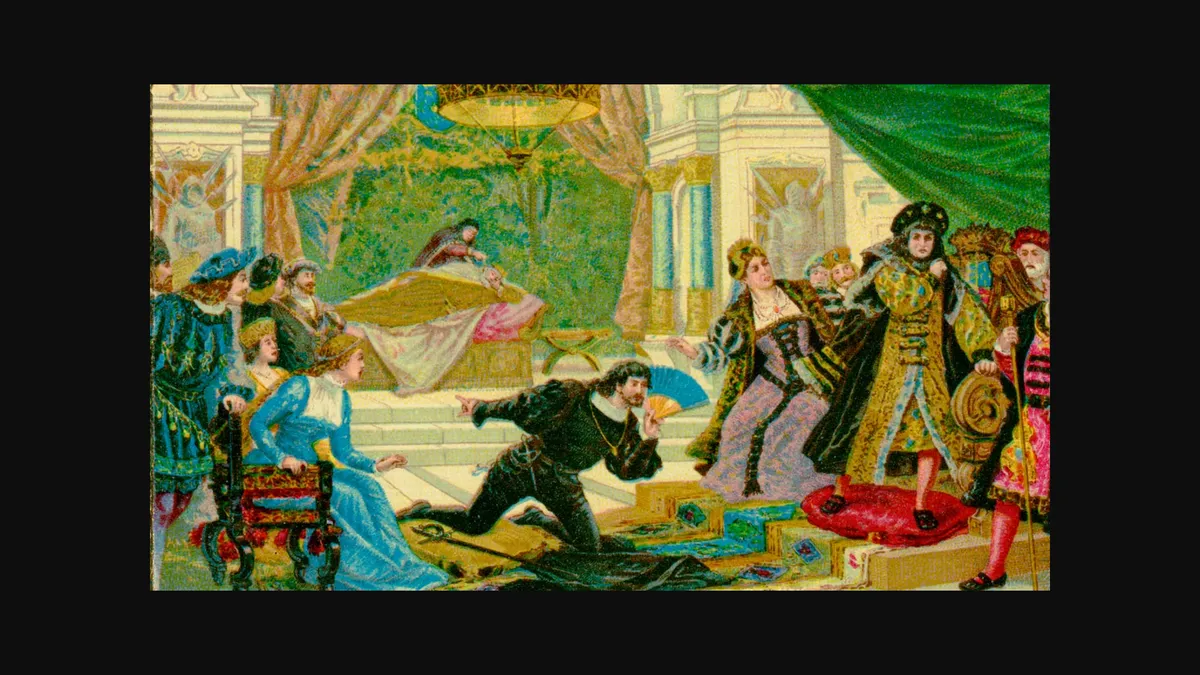
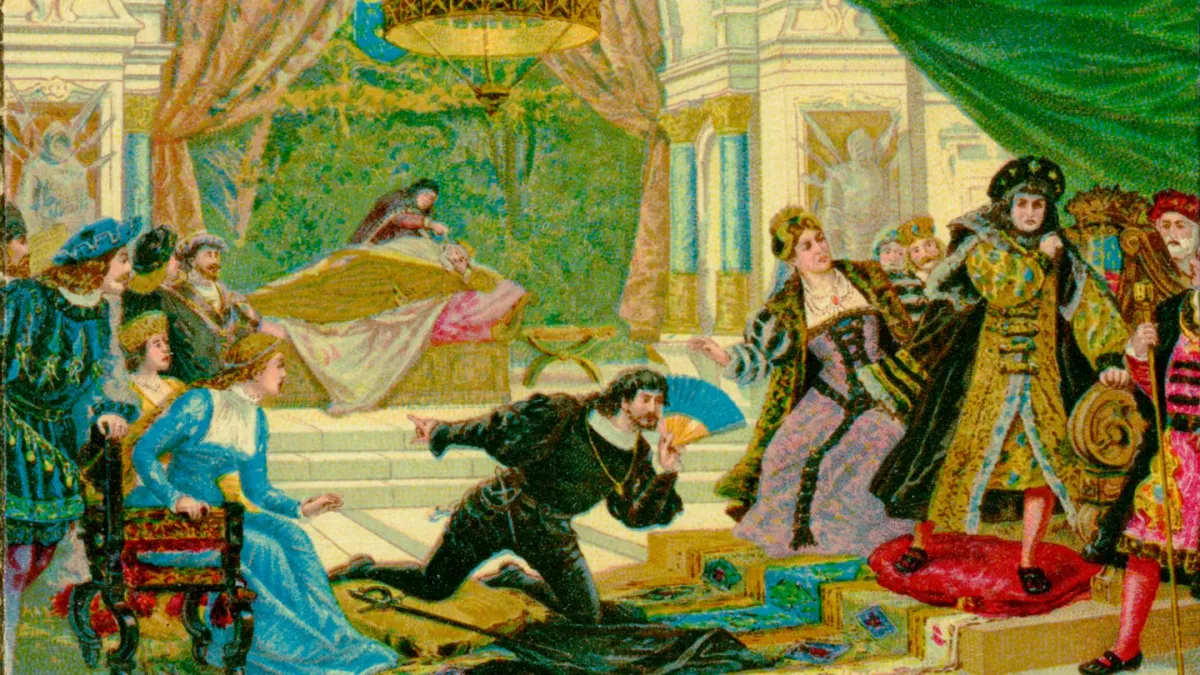
Shakespeare used the "play within a play" structure long before the term "meta" became popular. This device often reveals hidden truths rather than just entertaining.
Other plays, like Thomas Kyd’s The Spanish Tragedy (1587), also used this device to build suspense. Shakespeare added his own touch in plays like The Taming of the Shrew and A Midsummer Night’s Dream. In the latter, amateur actors perform the tragic story of Pyramus and Thisbe, which accidentally becomes a comedy.
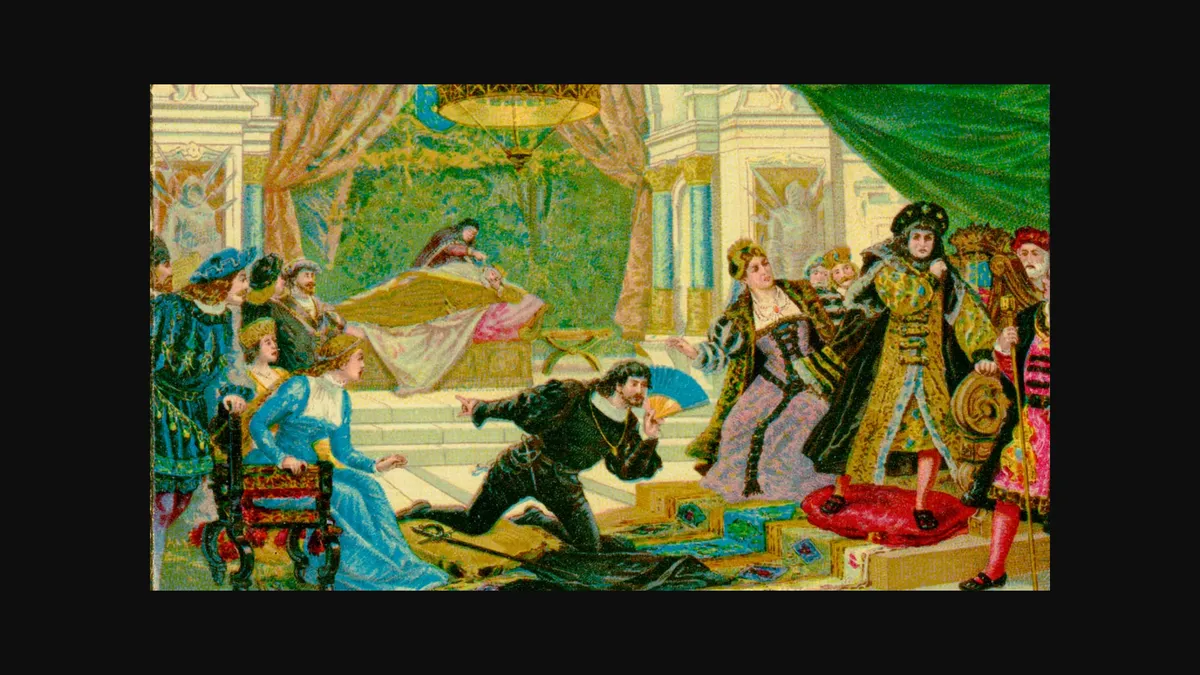
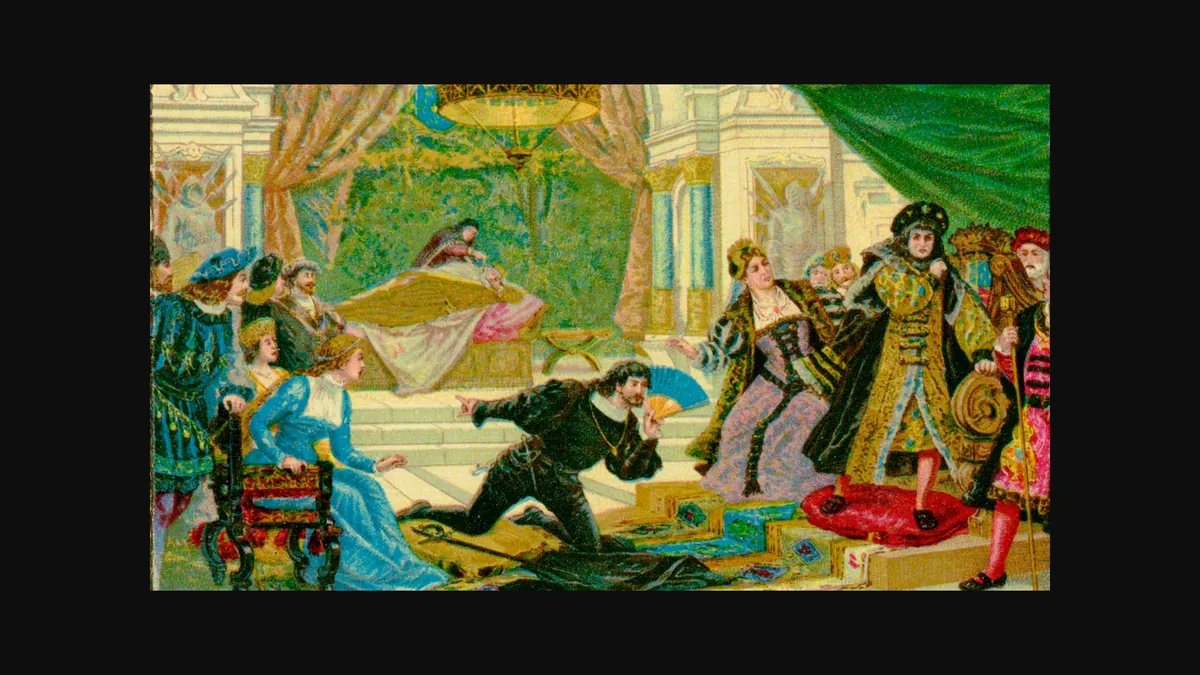
In Hamlet, the play within a play has a darker purpose. Prince Hamlet stages "The Mousetrap" to mirror his father’s murder. He wants to see King Claudius’s reaction. The performance becomes a test, and the play itself serves as evidence. This creates a layered moment where watching and being watched become blurred.
Dramatic Irony
Dramatic irony creates tension because the audience knows something the characters do not. This knowledge changes how every moment is perceived. Dialogue, choices, and misunderstandings all carry extra weight because the audience can see what's coming.
In Toy Story, Buzz Lightyear believes he is a real space ranger, but everyone else knows he is a toy. This difference in knowledge creates comedy.
Shakespeare popularized this trope and pushed it further. By keeping the audience ahead of his characters, he made small misreadings feel unavoidable, leading to either humor or tragedy.
In Romeo and Juliet, this tension peaks in the final act. Romeo finds Juliet in the Capulet tomb and thinks she is dead. The audience, however, knows she has taken a sleeping potion and will soon wake up. Romeo's decision to take his own life is devastating because it's based on incomplete information. This is one of Shakespeare’s most memorable uses of dramatic irony.
Tragic Hero
Some characters fall not just because of fate, but because of an internal flaw they cannot overcome. This "fatal flaw" is called hamartia in classical drama.
This flaw defines the tragic hero: a noble and complex figure ultimately undone by a weakness. Shakespeare solidified this character type in works like Hamlet and Macbeth. He gave these characters a psychological depth that still influences modern storytelling. His tragedies build pressure from within the characters themselves, rather than relying only on outside forces.
Hamlet's flaw is hesitation; he overthinks and delays action until it's too late. Macbeth struggles with ambition, which turns him from a respected nobleman into a paranoid and violent ruler. In both cases, their downfall feels like something that steadily builds from within.
The Supernatural
Ghosts, witches, and prophecies have long represented forces beyond human understanding. Shakespeare used the supernatural not just for atmosphere, but to drive the plot. His spirits and sorceresses interrupt decisions, redirect choices, and shape how situations unfold.
In Macbeth, the Three Witches start the tragedy with their prophecies. Macbeth acts on these ideas, leading to catastrophic results. Hallucinations and visions also reflect his growing paranoia, blurring the line between ambition and guilt.
In Hamlet, the ghost of the murdered king sets the revenge plot in motion. It confronts Hamlet with a demand that challenges everything he believes about truth, morality, and justice. In both plays, the supernatural acts as a catalyst, steering major turns in the story.