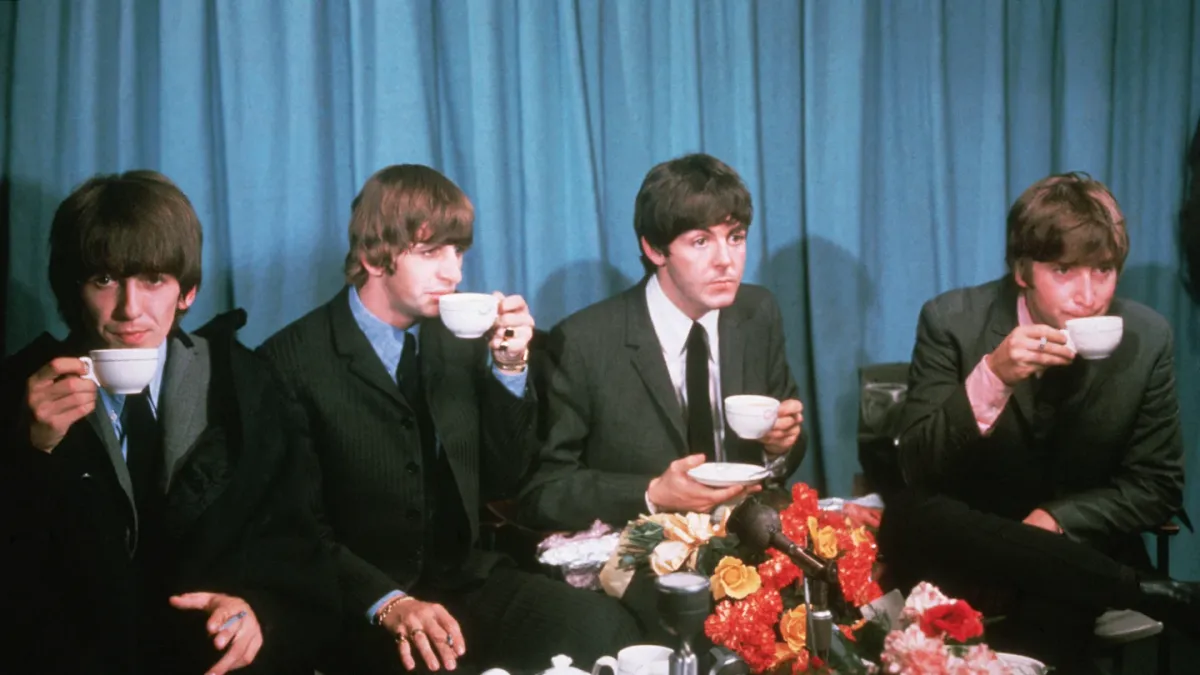
Turns out, some of the most legendary albums in music history weren't slow-cooked masterpieces. Instead, they were thrown together with the kind of frantic energy usually reserved for last-minute tax filings. From the birth of heavy metal to the Beatles' first splash, these eight albums prove that sometimes, genius just needs a really tight deadline.
The Beatles: Please Please Me
In 1963, The Beatles were blowing up. Their second single was a UK #1, and EMI, their label, wanted to capitalize. Fast. So, the Fab Four trooped into EMI Recording Studios (which you now know as Abbey Road) and hammered out ten of the fourteen tracks for their debut album in a single, ten-hour session. John Lennon, bless his cotton socks, had a cold and a serious throat lozenge habit. By the time he wailed through "Twist and Shout," his voice was apparently toast for weeks.
The entire day of recording cost a mere 400 pounds. Let that satisfying number sink in. All ten tracks from that day made the cut, along with four previously released singles, cementing their place in history with a sprint, not a marathon.
We're a new kind of news feed.
Regular news is designed to drain you. We're a non-profit built to restore you. Every story we publish is scored for impact, progress, and hope.
Start Your News DetoxBob Dylan: Bringing It All Back Home
Bob Dylan, ever the rebel, decided to ditch his folk roots for electric rock and roll. And he did it in three days flat. His label wanted new music in early 1965, and Dylan was feeling the blues and rock 'n' roll calling. So, he holed up in Columbia Recording Studios in NYC for three intense sessions.
The first day was mostly Dylan solo, yielding just one album track. Day two brought in session musicians, and suddenly, five songs clicked into place. A different group showed up that night, things went sideways, and the first group was brought back for the final day to finish the album. Most songs needed only three or four takes — a testament to Dylan's vision, or perhaps just his impatience.
Led Zeppelin: Led Zeppelin
When Jimmy Page formed Led Zeppelin in 1968, he wasn't messing around. He brought in Robert Plant, John Paul Jones, and John Bonham, and by September, they were in the studio. Their debut album? About 36 hours of studio time, spread over a few weeks. Page, who funded the album himself, basically showed up at Atlantic Records with the finished tapes.
He later mused on Facebook that they got so much done, it felt like each day was a week long. Which, if you think about it, is both impressive and slightly terrifying. The album launched them into superstardom, proving that sometimes, you just need a clear vision and a band that can move.
Ramones: Ramones
If you're going to define punk rock, you might as well do it quickly. The Ramones' seminal debut album was laid down in less than six days in 1976. The band was famously prepared, having demoed and refined most of their songs already.
Drummer Tommy Ramone recalled a couple of days for tracks and overdubs, a 14-hour mixing session, and a total of no more than five days. He also noted the studio engineers didn't quite get their sound, probably thinking "a bunch of thugs had come into the control room." The tension was high, the schedule tight, and the result was an album that screamed its way into rock and roll history.
Black Sabbath: Black Sabbath
Behold, the birth of heavy metal, forged in a single day. Black Sabbath's debut album was recorded on November 17, 1969, at London’s Regent Sound Studios. The band got about £1000 from producer Tony Hall, which frontman Ozzy Osbourne promptly spent on shoes (he was often barefoot, apparently).
Guitarist Tony Iommi explained they were a strong live band, so they just had to play their parts perfectly, knowing there was only one day for mixing. Some requests for extra vocals or overdubs were swiftly denied due to the ticking clock. The producer mixed it the next day without them. Iommi said they didn't even hear the album until it was released, catching "Evil Woman" on the radio after returning from Europe. Because apparently, that's how you launched a genre back then.
Nick Drake: Pink Moon
Nick Drake, a legendary but tragic singer-songwriter, recorded his final album, Pink Moon, in just two nights in 1971. Drake was battling depression, and his previous albums hadn't found a wide audience. He contacted producer John Wood, requesting to record only with his vocals and guitar, wanting a direct, personal record.
Sessions started at 11 PM. Wood described Drake's guitar playing as "like a metronome," calling his ability extraordinary for someone so young with limited studio experience. Though niche at first, Pink Moon found a wider audience after a song was used in a car commercial in 1999, turning Drake into a posthumous cult figure. Sometimes, quiet intensity is all you need.
Miles Davis: Kind of Blue
Miles Davis, a jazz titan, created what many call his greatest work, Kind of Blue, in just two days across March and April 1959. The truly wild part? Almost no rehearsal. Instead of sheet music, Davis gave his band (which included John Coltrane and Bill Evans) only loose sketches of the songs. He wanted pure spontaneity, forcing them to improvise.
What emerged was a raw, unfiltered display of musical synergy — proof that when you put incredibly talented people in a room and tell them to figure it out, magic happens. And occasionally, a masterpiece.
The Doors: The Doors
The Doors' debut album, a cornerstone of psychedelic rock, was recorded in a swift six days in 1966 at Sunset Sound Recording Studio in Hollywood. Unlike some of the other albums on this list, this wasn't a rushed, frantic affair. The band was incredibly prepared, having already recorded a demo and played live extensively.
This preparation allowed them to craft an album with a refined, immersive quality that launched them to fame. It's a reminder that speed doesn't always equal chaos; sometimes, it's just the sound of a band knowing exactly what they want to do and getting it done.