
We've all drilled "please" and "thank you" into our kids, because manners. But apparently, there's a whole other linguistic toolkit experts say is even more critical for navigating the glorious chaos of life. These aren't just polite niceties; they're the verbal equivalent of a Swiss Army knife for asking for help, setting boundaries, and knowing when to call in the adults.
And, like any good skill, they need practice. Out loud. With actual humans. Because confidence doesn't build itself.

The Unsung Heroes of Childhood Communication
"I don't know what this means" or "I need help"
Admitting you're lost? That takes guts. Especially when you're 8 and surrounded by classmates who definitely know what "photosynthesis" means. Child psychiatrist Sid Khurana points out that kids need to feel safe enough to say, "Hold on, my brain isn't computing." Teaching them that not knowing is just the first step to knowing takes a mountain of pressure off their tiny shoulders.
We're a new kind of news feed.
Regular news is designed to drain you. We're a non-profit built to restore you. Every story we publish is scored for impact, progress, and hope.
Start Your News DetoxSo, next time they're staring blankly, encourage a "Can you tell me more about this part?" or a simple, "I don't get it." Your patient, non-judgmental response is basically a masterclass in making curiosity safe.
"I can figure this out"
Every parent's superpower is the ability to swoop in and fix things. But sometimes, that's also our kryptonite. Jennifer Walker of Moms on Call reminds us that when we constantly treat kids as capable, they actually start believing it. That little voice in their head that says, "I got this"? That's you, eventually.

Start by narrating your own mini-crises. "Hmm, this jar won't open. First, I'll try twisting harder. Nope. Okay, now for the rubber glove method." Let them hear the process, not just the solution.
"I am feeling…"
Emotions. They're messy. Especially when you're small and can't quite articulate why the blue crayon is wrong. Therapist Lakiesha K. Oliver emphasizes that naming feelings is fundamental to mental health. When kids can safely say "I'm mad" or "I'm scared," they're processing, not bottling. And trust us, you want them processing.
Even with toddlers, you can start by simply naming what you see: "You look frustrated!" or "Are you feeling sad about that?" It's like giving them a legend for their own internal map.

"Can you look at this?"
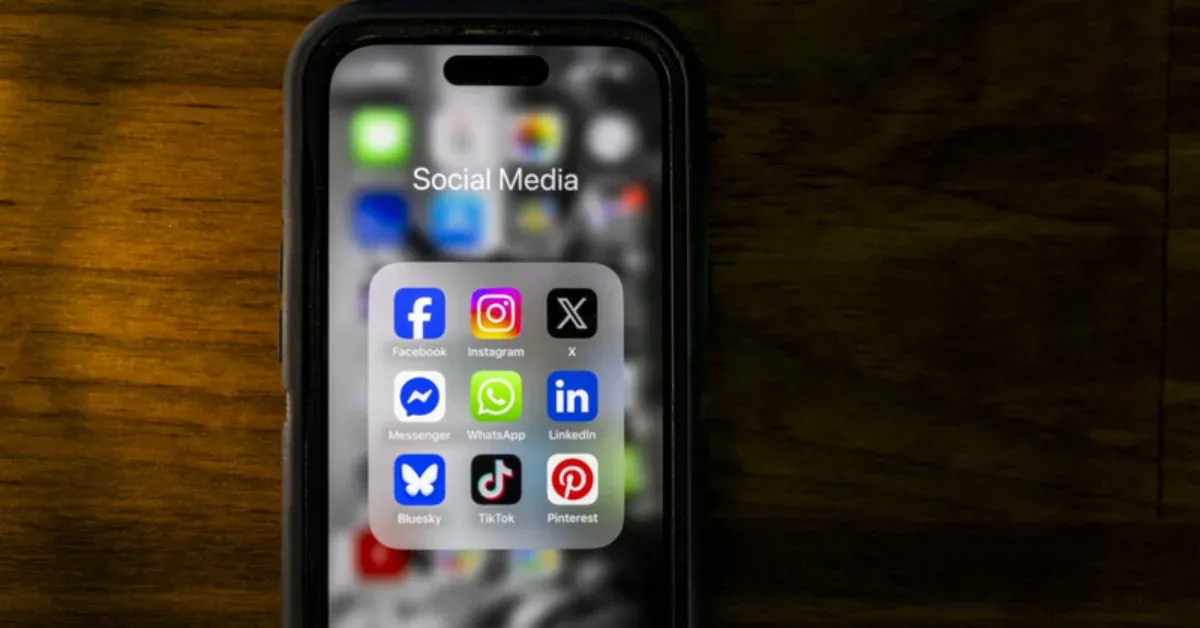
Welcome to the digital age, where a child's first instinct when seeing something weird online might be to delete it. Jim Festante from Health-e-Habits warns that this is a problem. Phishing texts, strange follow requests — kids delete the evidence out of shame or fear, then try to handle grown-up problems alone.
Group chats, especially for teens, are a constant low hum of anxiety. Teach them it's okay to step away, and more importantly, that you are a safe harbor for anything digital. Share your own minor tech blunders. "Remember that time I accidentally replied to the whole company?" It shows them everyone messes up, and it's always better with backup.
"I matter"
Two small words, massive impact. This isn't about ego; it's about self-worth. Research shows a worrying number of teens feel hopeless. The ones who feel connected and valued? They tend to weather the storm better.
Oliver puts it plainly: everyone is unique, everyone is important. Their voice, their safety, their weird obsession with collecting bottle caps — it all matters. Practice this at home by sharing moments when you felt like you mattered to someone. It subtly shifts their perspective, making them look for those affirming moments in their own lives. Which, if you think about it, is a pretty powerful superpower to unleash on the world.