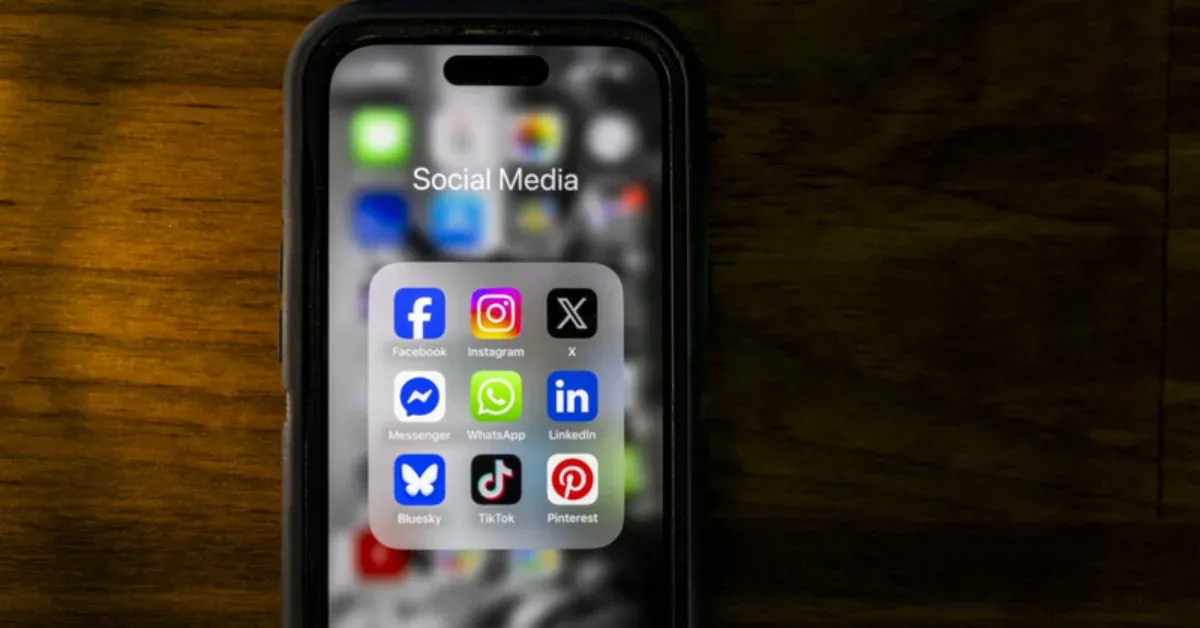
Turns out, the quest for spiritual enlightenment now involves a healthy dose of scrolling. A new report from UCLA's Center for Scholars & Storytellers (CSS) reveals that young people are increasingly turning to social media, music, and apps to explore their faith and find a bit of digital comfort.
But before you picture everyone meditating to TikToks, there's a catch: when it comes to actual guidance and connection, Gen Z and Gen Alpha still prefer the classics. Think actual churches, mosques, synagogues, and, perhaps most surprisingly, their parents and faith leaders.
The Digital Divide of Devotion
The CSS, founded by UCLA professor Yalda T. Uhls, launched its first "Future of Faith" study to give content creators a heads-up on how to connect with these digitally native spiritual seekers. Uhls points out that this generation isn't just passively consuming; they're actively looking for authentic content that reflects their beliefs. Which, if you think about it, is a pretty tall order for the internet.
We're a new kind of news feed.
Regular news is designed to drain you. We're a non-profit built to restore you. Every story we publish is scored for impact, progress, and hope.
Start Your News DetoxThe study surveyed over 2,000 young people aged 16 to 24, plus nearly 100 focus group participants, covering a spectrum from Christian to Muslim, Jewish, Hindu, Buddhist, and even the agnostic, atheist, and spiritual-but-not-religious crowd. The findings? Fascinating.
More than 97% of religious respondents (and a solid 80% of nonreligious ones) felt spiritually moved by online content. And if you're looking for new spiritual ideas, the internet is apparently a goldmine: 67% of religious and 78% of nonreligious respondents said it helped them find fresh perspectives.
Online content even helps with social connections, with almost 70% of religious young people linking up with friends over shared spiritual interests.
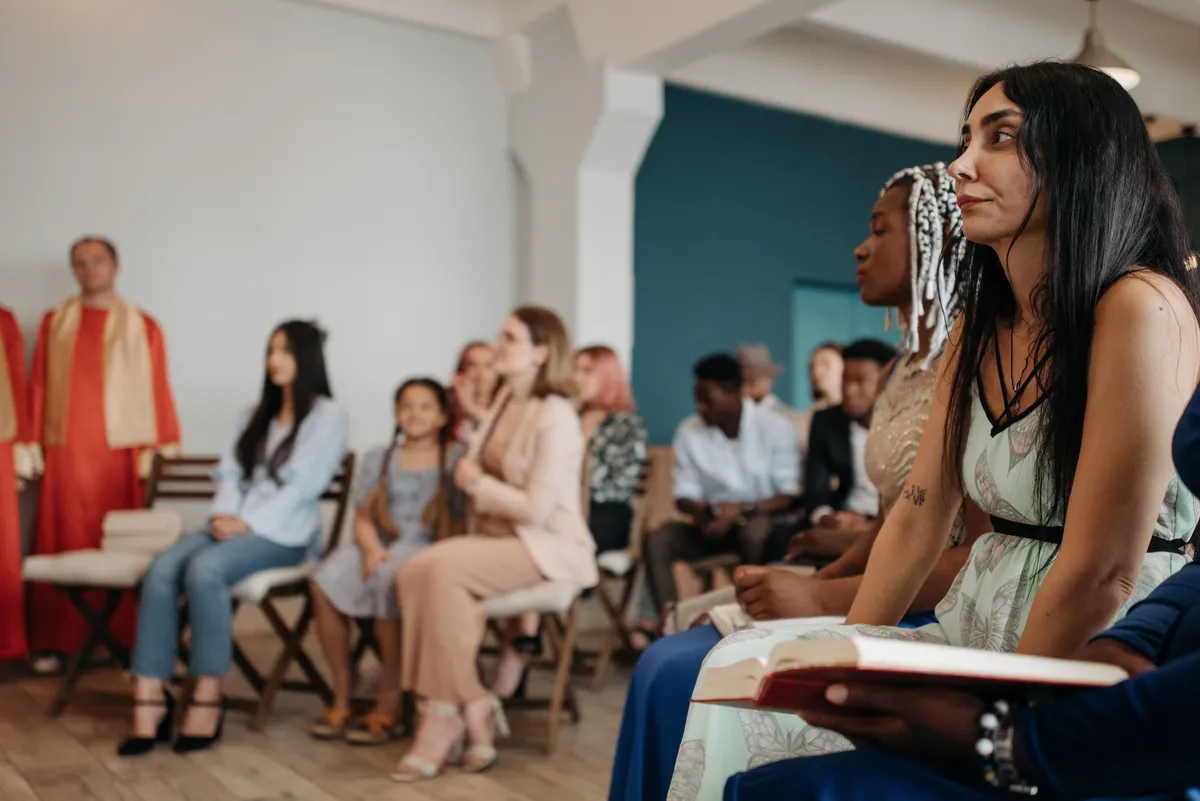
However, the digital world only goes so far. Over 60% of religious young people still ground their practice in traditional, in-person spaces, often combining it with their media use. And when it comes to advice? They trust their faith leaders, parents, other family members, and religious friends the most. Because some things, like wisdom, are still best delivered face-to-face.
The Peril and Promise of Pixels
The study also dug into how media portrayals impact young people's sense of safety and belonging. About 70% of religious respondents felt that how their faith is shown in media directly affects how others treat them. And less than half thought those portrayals were even accurate.
Even more sobering: over 60% of all respondents admitted that something they saw in media made them less comfortable expressing their beliefs. And for more than half of most religious groups, online religious content actually sparked conflict with family or friends. Because apparently, the internet can ruin everything.
Young people are clearly tired of stereotypes and are hungry for genuine depictions of their beliefs and communities. They found social media more likely to offer authentic representations than, say, a Hollywood blockbuster. They also expressed a strong desire for safe online communities, a space currently lacking for many.
As Maytha Alhassen noted, young people see media as a "merged space," where online networks complement their real-life spiritual connections. They're acutely aware of how algorithms shape their reality and want both traditional and new media creators to step up and build welcoming, value-aligned communities. Because even in the digital age, everyone still wants to belong.