Jonathan Haidt's 2024 book The Anxious Generation made a case that smartphones and social media have fundamentally reshaped how young brains develop—and not for the better. The argument landed hard enough to influence school policies across multiple states. Now Haidt is taking the conversation directly to kids.
The Amazing Generation, a new graphic novel co-created by Haidt, science journalist Catherine Price, and graphic novelist Cynthia Yuan Cheng, translates the core concern into a format that actually speaks to young readers: a hybrid of illustrated storytelling and plain-language explanation.
The Case for Boredom and Friction
The book follows six young people navigating their relationship with technology—not as villains in a morality tale, but as real kids facing genuine choices. One character sits scrolling through skating videos on his phone while his friend waits at the skate park. Another has to decide whether to keep checking notifications or actually focus on homework.
We're a new kind of news feed.
Regular news is designed to drain you. We're a non-profit built to restore you. Every story we publish is scored for impact, progress, and hope.
Start Your News DetoxThese aren't abstract warnings. They're the daily friction points most kids recognize from their own lives. The book's approach is to help young readers see what they're trading: the passive consumption of someone else's experience for the messier, harder, more rewarding experience of doing something themselves.
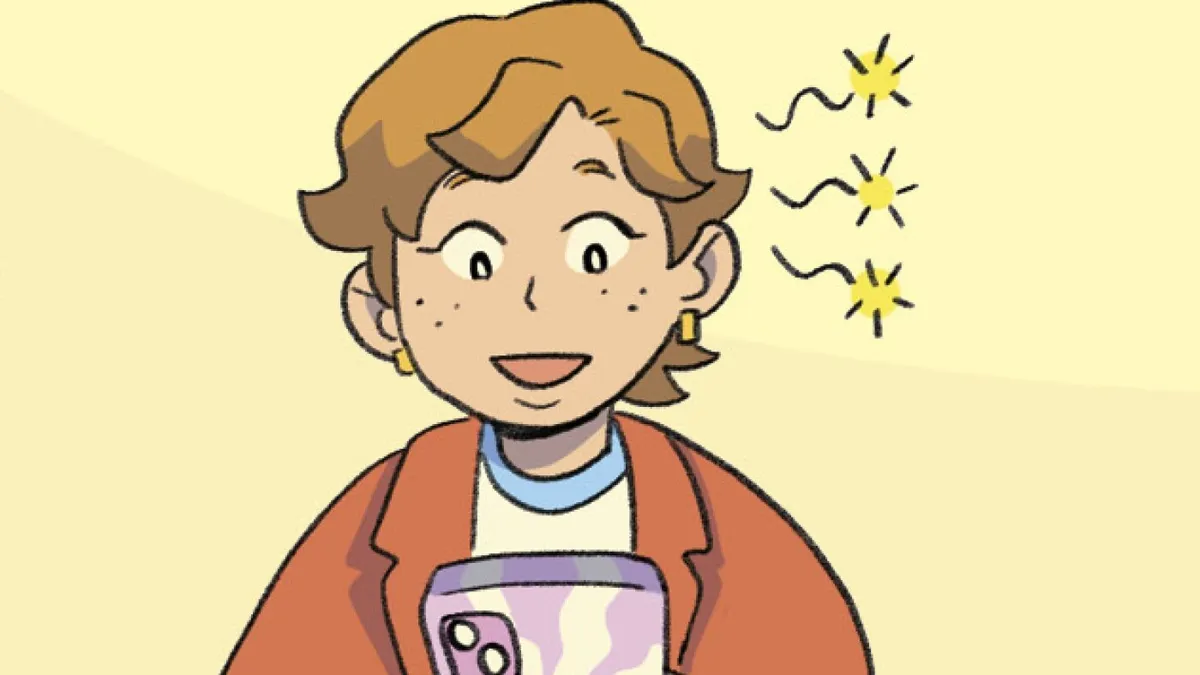
From The Amazing Generation: Your Guide to Fun and Freedom in a Screen-Filled World by Jonathan Haidt, Catherine Price and Cynthia Yuan Cheng
What makes this different from typical tech-is-bad messaging is that it doesn't pretend the online world has no value. The book acknowledges the real benefits—connection, learning, creativity—while asking kids to think honestly about balance. The question isn't "should you use your phone?" but "is what you're doing right now the thing you actually want to be doing?"
That shift from prohibition to critical thinking is significant. It treats young readers as capable of making their own decisions, not as victims who need saving.
From The Amazing Generation: Your Guide to Fun and Freedom in a Screen-Filled World by Jonathan Haidt, Catherine Price and Cynthia Yuan Cheng
The graphic novel format matters too. It's a medium kids actually choose to read, not one that feels like homework. Mixing illustrated stories with straightforward explanations keeps the pace moving and makes the ideas stick in a way a traditional book might not.
Whether this book shifts how young people actually use their phones remains an open question. But it represents something worth paying attention to: a serious attempt to help kids develop their own relationship with technology, rather than simply telling them what's wrong with it.