
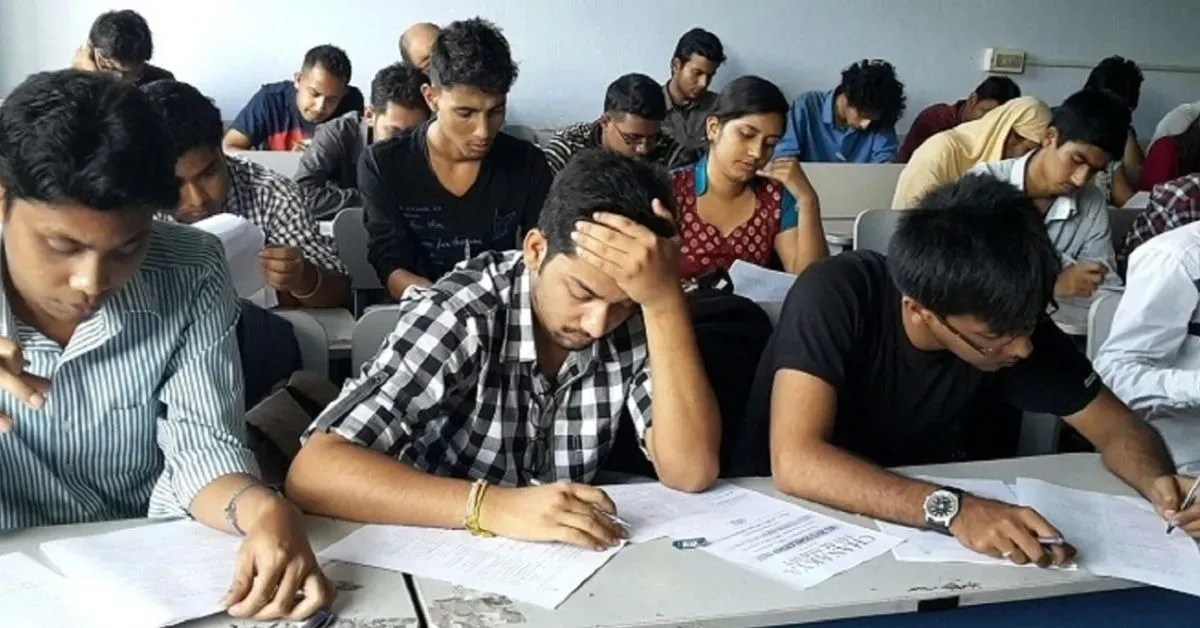
Shubham T has sat the UPSC exam five times. He knows what it feels like to walk into that test center knowing this might be your last shot — the weight of it, the way your mind can spiral into worst-case scenarios at 3 a.m., the guilt that creeps in when you take a break.
Now an IPS officer, Shubham has paired his experience with counselling psychologist Anita Mohan to map out what actually works when the pressure is at its highest. Not motivational speeches. Not pushing harder. But the specific, unglamorous habits that keep your mind functional when stakes feel existential.
Start with honest inventory, not more hours
Shubham's first move wasn't to extend his study schedule. It was to sit down and identify exactly where he was weak — not where he thought he should be strong, but where the actual gaps lived. Then he did something counterintuitive: he ranked subjects by scoring potential rather than difficulty. Ethics and Polity got priority over areas where even perfect preparation might yield marginal gains.
We're a new kind of news feed.
Regular news is designed to drain you. We're a non-profit built to restore you. Every story we publish is scored for impact, progress, and hope.
Start Your News DetoxAnita reinforces this approach. "Focus on what you can control," she says. Effort, consistency, realistic planning — these reduce anxiety far more effectively than chasing some imaginary version of perfection. The moment you stop fighting against your actual situation and start working with it, the pressure shifts.
The 80-20 rule that actually sticks
One of the biggest sources of stress is the constant tug between revision and the fear of missing new material. Shubham committed to 80% of his time on static subjects — the core knowledge that doesn't change — and 20% on current affairs connected to those topics. This creates a feedback loop: you're not just memorizing theory, you're seeing how it shows up in the real world. The anxiety of "what if I haven't read enough" loses its grip when you have a clear ratio to follow.
Small routines as anchors
During the most intense months, Shubham didn't overhaul his life. He built small, non-negotiable habits: listening to music, taking walks, scheduling rest days. "Rest does not have to be earned," he says — a sentence worth sitting with if you're the type who feels guilty for not studying.
Anita recommends short breaks, hobbies, anything that genuinely calms your nervous system rather than just distracting from it. A 20-minute walk isn't procrastination. It's maintenance.
Catch the spiral before it starts
Negative thoughts multiply fast when you're already anxious. Anita's technique is simple: notice them, ask yourself reflective questions that challenge them ("Is this actually true, or am I catastrophizing?"), and change what you're doing immediately. Don't sit with the thought. Don't argue with it. Just shift activity. This isn't toxic positivity — it's recognizing that your brain under stress isn't a reliable narrator.
Choose your support circle carefully
Shubham's peer group kept him grounded, but he's explicit: avoid circles built on comparison or competition. The people around you during this period should offer calm listening and reassurance, not constant monitoring or pressure. Your family doesn't need to quiz you. They need to listen.
Structured feedback sharpens more than willpower
Toward the end, Shubham leaned on mentors, test series, mock interviews, and one-on-one feedback. Not because he suddenly got smarter, but because external eyes catch patterns you can't see in yourself. Professional guidance gave him specific, actionable advice on presentation rather than vague encouragement.
Anita adds a final note: guilt is a thief. It drains energy that could go toward preparation. When your mind feels numb or paralyzed, the answer isn't to force productivity — it's to calm your nervous system first. The work will follow.
A final attempt doesn't have to be an emotional breaking point. Clear planning, steady routines, people who genuinely support you, and the willingness to work with your actual situation rather than against it — these transform intense pressure into something closer to focused effort.