
Brian Sietsema has a favorite word. Which, for a guy who literally helps kids spell words at the Scripps National Spelling Bee, feels a bit like a chef having a favorite spice. But this isn't just any word; it's the one that launched him into a truly unique career as a linguist and a Greek Orthodox priest. And it all started with aliens.
The Mystery of the Moon Dwellers
Picture it: third-grade Brian, fresh off a garage sale haul, ignoring his mom's advice and diving into Edgar Allan Poe's Masterpieces of Mystery. He's reading "The Unparalleled Adventure of One Hans Pfaall" when our intrepid moon-traveler protagonist lands on the lunar surface. The locals greet him, "eyeing me and my balloon askant, with their arms set a-kimbo."
A-kimbo.
Young Brian had no clue. His parents didn't. His teachers didn't. School dictionaries? Nope. It took years, possibly until college, for him to finally find a dictionary that cracked the code: hands on hips, elbows out. That single, elusive word sparked a lifelong obsession with dictionaries and word origins. And just like that, a path was set.
We're a new kind of news feed.
Regular news is designed to drain you. We're a non-profit built to restore you. Every story we publish is scored for impact, progress, and hope.
Start Your News DetoxNow, you might think a future spelling bee guru would be a natural. Not so much. Brian's only spelling bee was in second grade, where he famously misspelled "of" as "U-V" because he was, shall we say, overthinking it.
He bounced around career ideas — church, nuclear engineering (because why not?), then back to the church. He landed at the University of Michigan, studying religion, and picking up ancient Hebrew, Greek, Dutch, Swedish, and modern Hebrew along the way. Ann Arbor expanded his worldview, and he decided to add linguistics, German, ancient Aramaic, and modern Arabic to his impressive linguistic arsenal. Then came MIT, a PhD, and a dissertation on predicting tones in Bantu languages, which, if you think about it, is both impressive and slightly terrifying.
From Merriam-Webster to Father Mark
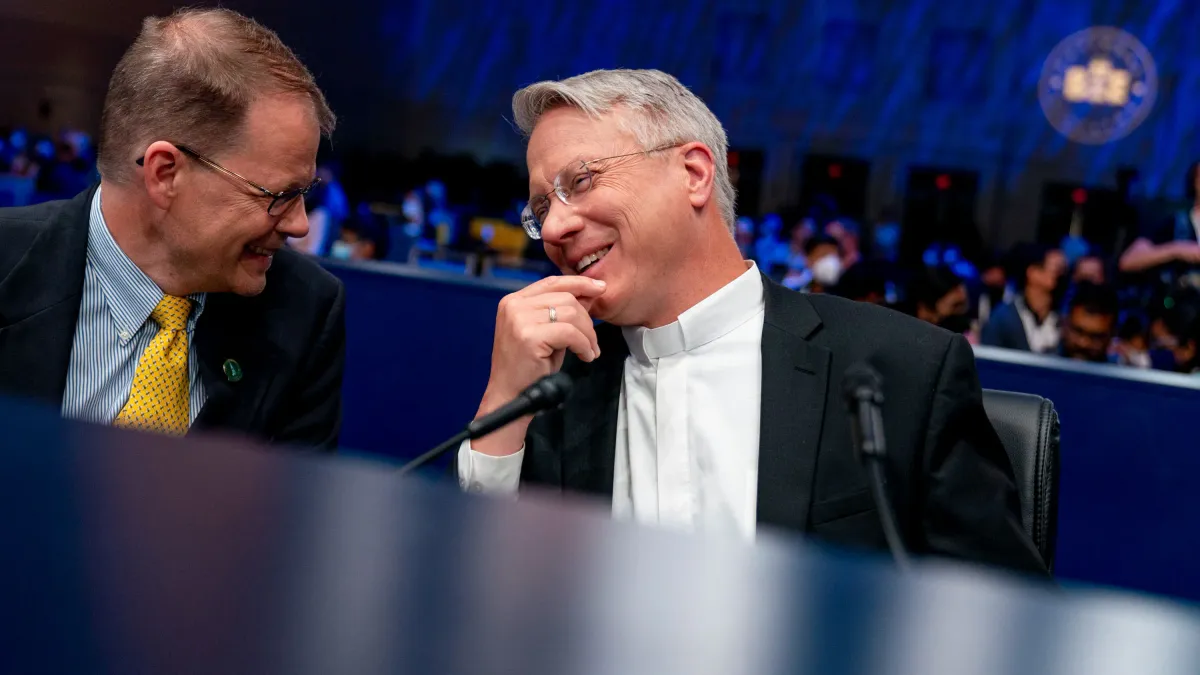
After MIT, linguistics jobs were scarcer than a polite comment section. He taught for a year, then landed at Merriam-Webster as a pronunciation editor. His job? Deciding how words like "fluoride" should sound (it went from "floo-o-ride" to "flor-ide," for the record). He even recorded some words himself when voice actors got a bit squeamish about the content. Oh, and he also introduced the International Phonetic Alphabet to Merriam-Webster publications. Because apparently, that's where we are now.
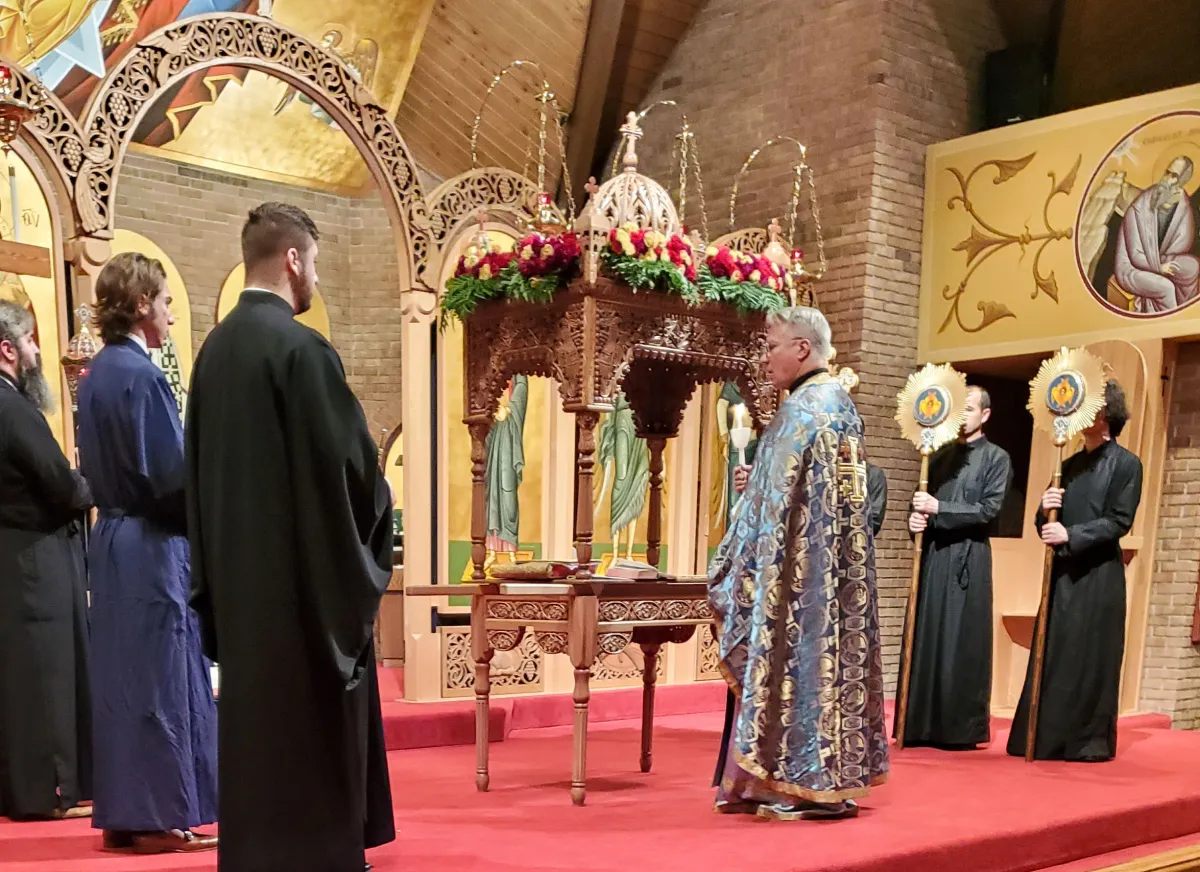
During his time at Merriam-Webster, he was also on a spiritual quest, eventually finding his way to Orthodox Christianity. He married Katherine Chapekis, a Greek Orthodox linguist (naturally), and started volunteering as a chanter at his church. One thing led to another, and soon he was earning a master of divinity degree, graduating valedictorian, and being recruited by the archbishop himself. Brian Sietsema became Father Mark, serving as deacon and speechwriter in Manhattan, then pastor of a church in Lansing, Michigan.
The Holy Week of Spelling
Then, the Scripps National Spelling Bee called. His wife had been on their word panel, and they needed a new associate pronouncer. Father Mark, with his bishop's blessing, stepped in. He's now been at it for 24 years, leading a team of pronouncers and helping craft the annual word list from Merriam-Webster's unabridged dictionary. They look for words that are "interesting, useful, and gettable" for early rounds, and "challenging, rooty" words for later rounds.
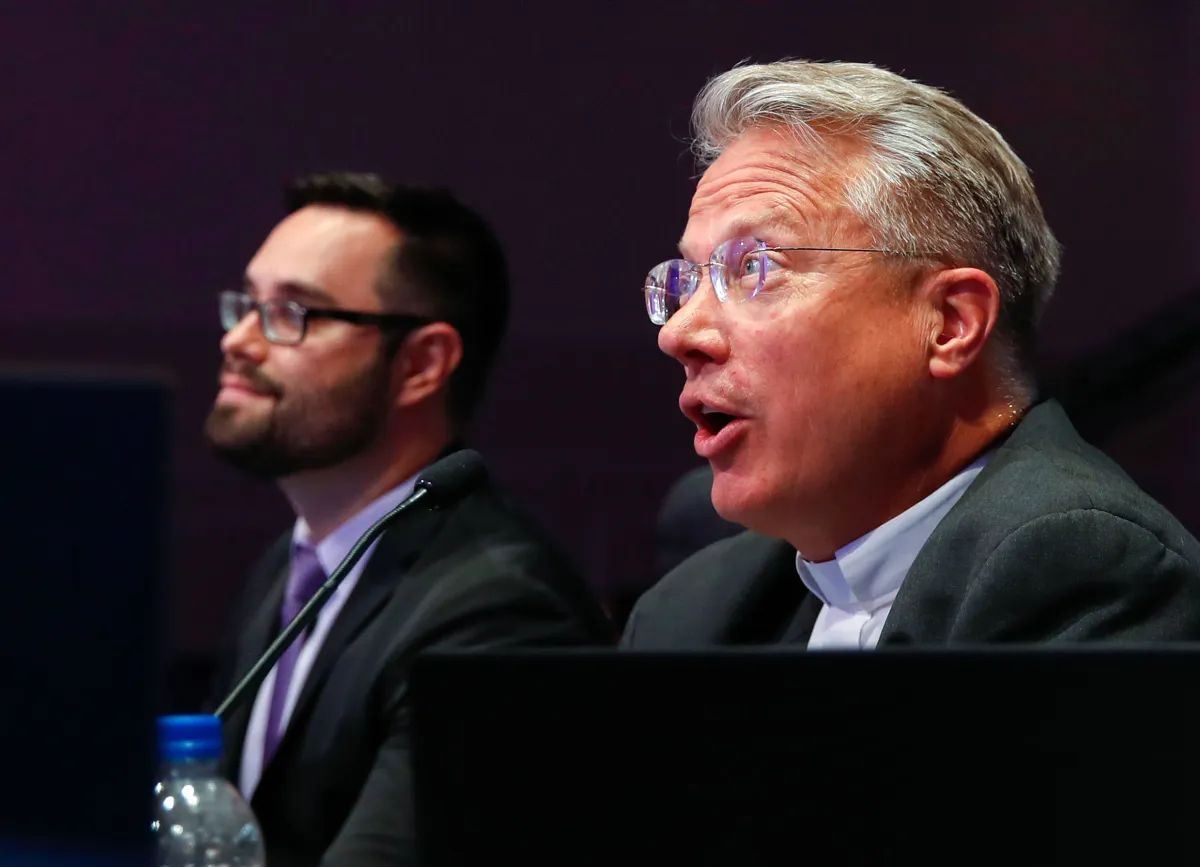
He calls the young spellers "good little word detectives." And the final round? "The World Series can be a four-game sweep and the Super Bowl can be a blowout, but the National Spelling Bee always comes down to one last word, and that's what makes it exciting each and every time." Let that satisfying number sink in.
Father Mark even used his linguistic chops during the pandemic, correcting a scholar who mistranslated a Greek term to argue against common sense safety measures. He argued for "good sense, good science, and compassion." Because MIT, he says, taught him to notice what is and isn't in data – a skill equally useful for linguistic analysis, lexicography, and listening to parishioners pour out their hearts.
So, while clepsydra (an old-style water clock, whose Greek roots mean "to steal" and "water") was a strong contender, "akimbo" remains his favorite. Because sometimes, the most confusing words are the ones that lead you exactly where you're meant to be. Arms set a-kimbo, of course.