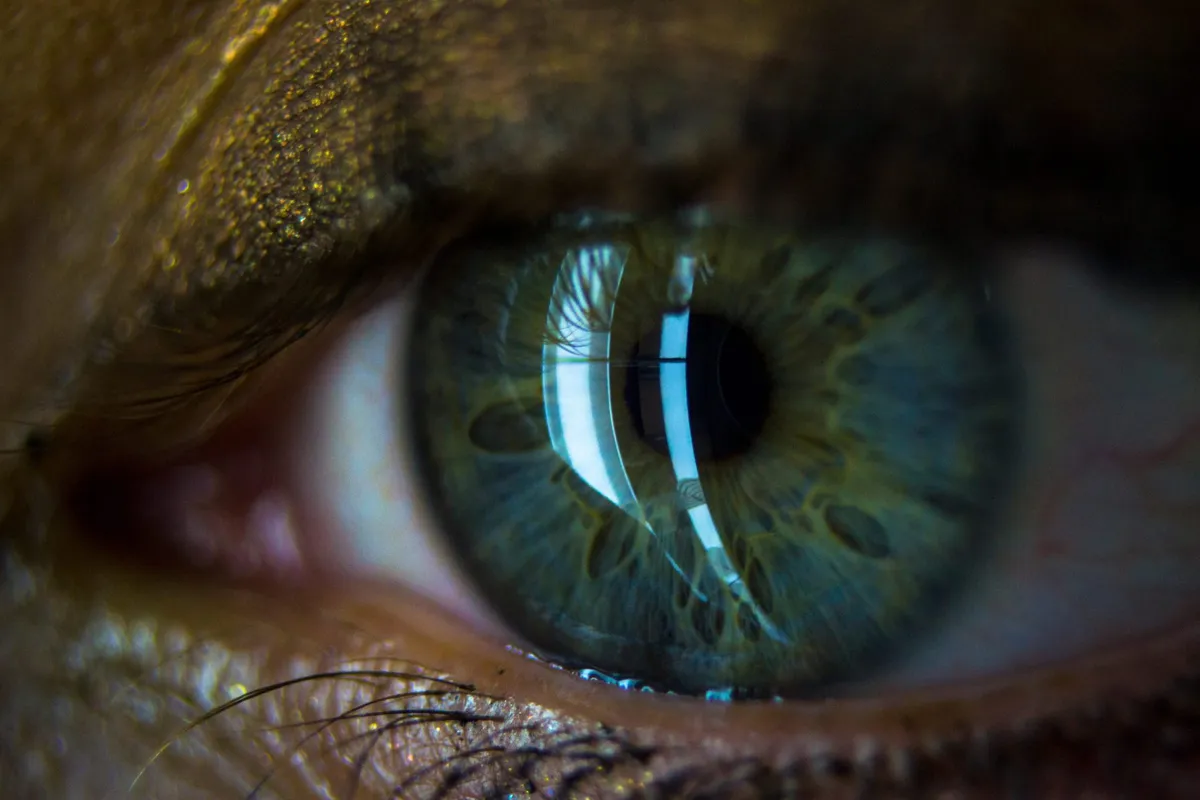
Age-related macular degeneration (AMD) can take away central vision. This means people lose the ability to read, recognize faces, or see what's directly in front of them. For over five million people worldwide with the advanced form called geographic atrophy, this vision loss has been permanent. However, a new clinical trial suggests this might change.
A tiny wireless retinal implant, smaller than a thumbnail, has helped 81% of patients regain meaningful central vision. Within a year, 84% of them could read numbers or words at home. Some even read pages in a book.
Trial Shows Big Improvements
The international PRIMAvera trial involved 38 patients aged 60 and older. They were treated at 17 medical centers across Europe. After 12 months, participants improved by an average of 25 letters on a standard eye chart. This is about five lines of vision improvement. One patient gained 59 letters, which is 12 full lines.
We're a new kind of news feed.
Regular news is designed to drain you. We're a non-profit built to restore you. Every story we publish is scored for impact, progress, and hope.
Start Your News DetoxDr. José-Alain Sahel, director of the UPMC Vision Institute and a lead author of the study, noted that "More than 80 percent of the patients were able to read letters and words, and some reading pages in a book."
How the PRIMA System Works
The implant is 2mm wide and replaces damaged light-sensing cells in the retina. Special glasses have a camera that captures images. These images are sent using near-infrared light to the implant. The implant then turns these signals into electrical pulses that stimulate the remaining healthy cells in the retina. Users can adjust zoom and contrast. This helps them with different tasks like reading a label, recognizing a face, or moving around a room.
Science Corporation developed this system. Researchers from the University of Pittsburgh, Stanford University, and the University of Bonn co-led the trial.
Why This Solution Matters
Geographic atrophy is the main cause of permanent blindness in older adults. Unlike earlier stages of AMD, there hasn't been an approved treatment to restore lost vision. The PRIMAvera trial is the largest study of a retinal implant of its kind. All side effects from the procedure were gone by the 12-month mark. This safety record is as important as the vision improvements when seeking approval from regulators.
What's Next for the Implant
Science Corporation has applied for approval in Europe and the United States. UPMC performed the first U.S. implantation of the PRIMA device in 2020. While approval timelines vary, the PRIMAvera results provide a strong case. Currently, treatments for geographic atrophy can only slow vision loss, not reverse it. A treatment that can actually restore vision would be a significant breakthrough.
Deep Dive & References: Subretinal photovoltaic implant to restore vision in geographic atrophy due to AMD - New England Journal of Medicine