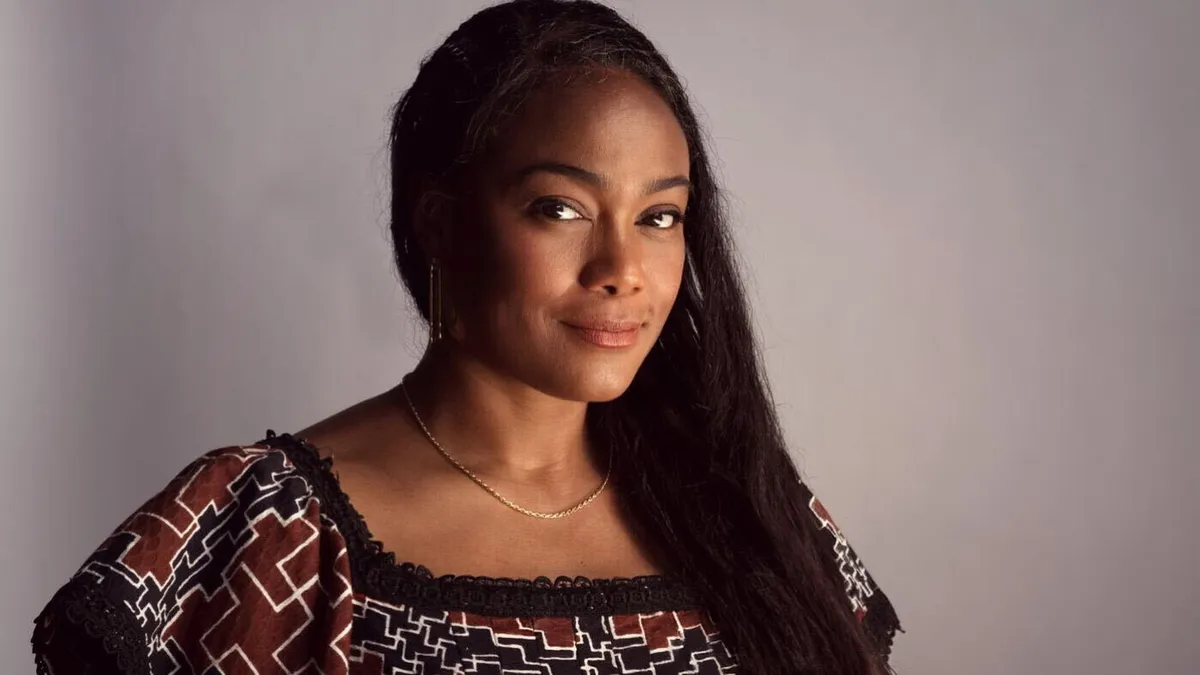
Remember Ashley Banks from The Fresh Prince of Bel-Air? Tatyana Ali, the actor who brought her to life, is now leading a charge for Black and Indigenous maternal health. And the reason why will make you furious.
Ali's advocacy began after what she calls "obstetric violence" during the 2016 birth of her first son, Aszi. She'd gone into labor expecting a joyful, prepared experience. Instead, her birth plan was ignored, she was physically restrained, and she describes a terrifying scene where medical staff were "screaming, yelling at me." Four people, she says, held her down.
Then came the Zavanelli maneuver. This is a last-resort procedure for when a baby is stuck. Ali’s hospital records show her doctor used it, after her son was already crowning, pushing him back inside. "After they pushed him inside me, and I remember roaring," she told NPR. "I convulsed after that... And I was out." An emergency C-section followed, and Aszi spent days in the NICU, reportedly in shock from the trauma.
We're a new kind of news feed.
Regular news is designed to drain you. We're a non-profit built to restore you. Every story we publish is scored for impact, progress, and hope.
Start Your News DetoxIt took Ali time to process what had happened. She eventually realized she was one of countless women of color experiencing similar systemic racism in healthcare. "I was just one tiny drop in a very, very large bucket that has been overflowing for a very, very long time," she said. Let that sink in.
The Stark Reality of Maternal Care
The U.S. has a maternal mortality problem, especially for Black mothers, who are more than three times as likely to die from pregnancy-related causes than white women. In 2024 alone, 649 women in the U.S. died from these causes. Dr. Tamika Auguste, chair of women's and infants' services at MedStar Washington Hospital Center, hears it firsthand: "I can't tell you how many Black women have said to me: 'Hey Doc, don't let me die.'"
While medical protocols have improved for conditions like cardiac issues and hemorrhaging, bias remains a pervasive, insidious issue. Dr. Auguste points to the dangerous, outdated misconception that Black patients have a higher pain tolerance. Because apparently that’s still a thing.
Adding to the crisis, over 500 hospitals closed their maternity wards between 2010 and 2022. More than half of U.S. counties are now considered "maternity care deserts," particularly impacting Black and Indigenous women in the South. Because where else would they be?
Finding Hope and Solutions
Ali found community in the Black and Indigenous maternal health movement. She now travels the country, sharing her story and pushing for change. She even founded Baby Yams, which provides grants to birth workers and students, and creates stunning heritage baby quilts that are, as Ali puts it, "this storytelling machine of the possibility, the hope."
These efforts are funding people like Nadia Gramby, a midwife in Alabama who received a scholarship from Ali's foundation. Gramby's work is vital in a state where nearly 40% of counties are maternity care deserts. She offers a safe, empowering option for families who often lack immediate access to care. Which, if you think about it, is both impressive and slightly terrifying that it's so desperately needed.
Midwives and doulas, who provide medical and non-medical support respectively, have a long, essential history in communities of color. Research shows midwife-attended births lead to fewer complications. And when Ali became pregnant with her second child, she carefully chose a midwife, ensuring her birth plan was respected. Imagine that.
"We deserve to be cared for. We deserve to have choices. We deserve to have control over our own bodies," Ali says. A simple, powerful truth that shouldn't feel revolutionary in 2024.