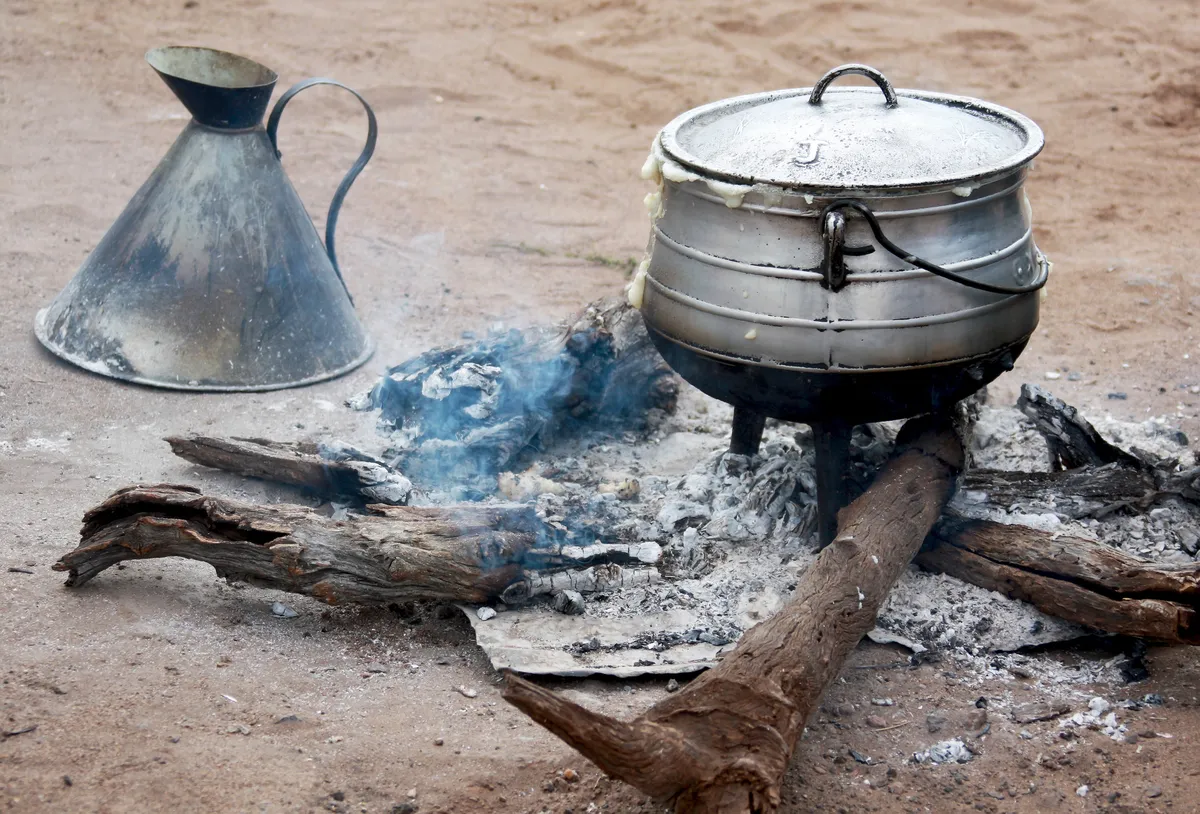
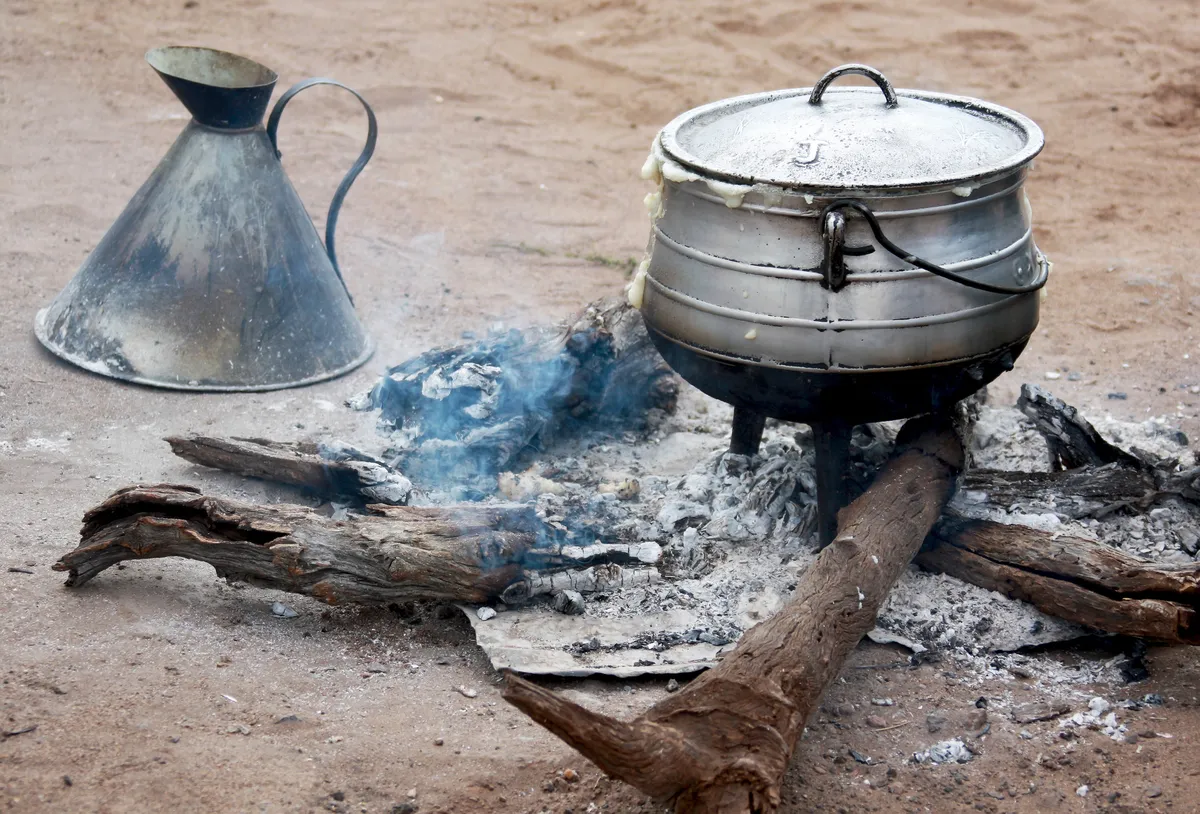
Nearly a billion people in Africa still cook over open fires, often using charcoal or firewood. Which, if you think about it, is a staggering number of dinner preparations happening in what amounts to an indoor campfire. The health toll? Pretty brutal.
But here's a breath of fresh air: African nations just secured another $900 million in new funding to help ditch those smoky kitchens. The International Energy Agency (IEA) dropped the news, bringing the total pledges for clean cooking initiatives to over $3.1 billion.
That's right, over three billion dollars, much of it raised since the first Africa Clean Cooking Summit in Paris last year. Let that satisfying number sink in.
We're a new kind of news feed.
Regular news is designed to drain you. We're a non-profit built to restore you. Every story we publish is scored for impact, progress, and hope.
Start Your News DetoxClearing the Air, Literally
Cooking with traditional fuels isn't just a quaint practice; it's a silent killer. The indoor air pollution from these methods leads to roughly 850,000 early deaths annually, according to the IEA. And, because life is often unfairly stacked, it's disproportionately women and children who bear the brunt, spending the most time breathing in those toxic fumes.
U.S. Energy Secretary Chris Wright hit the nail on the head, calling access to clean cooking "one of the most impactful yet overlooked challenges of our time." It affects billions, quietly, in their own homes.

Enter the heroes: clean cooking technologies. Think ethanol, biogas, or electric stoves. These aren't just gadgets; they're literal lifesavers, clearing the air right where families gather for meals.
The latest funding announcements came during an online meeting hosted by the IEA and Kenya, bringing together some serious heavy hitters like Kenyan President William Ruto and Norwegian Prime Minister Jonas Gahr Store. IEA Executive Director Fatih Birol proudly reported that $740 million from the Paris pledges is already in action across 22 countries. This isn't just talk; it's money on the ground, making a difference.
President Ruto, ever the pragmatist, summed it up perfectly: ambition is great, but it "must be backed by investment." And while $3.1 billion isn't enough to solve the entire problem (the scale is massive), it's a significant leap forward. Funding is moving faster, and more countries are finally seeing concrete progress. Which, after all those smoky dinners, is a welcome change.