Imagine snapping a photo of a monkey in 2008, shrugging, and saying, "Huh, never seen that one before." Then, nearly two decades later, that mystery primate officially gets its own name. Because apparently, that's how some scientific discoveries roll.
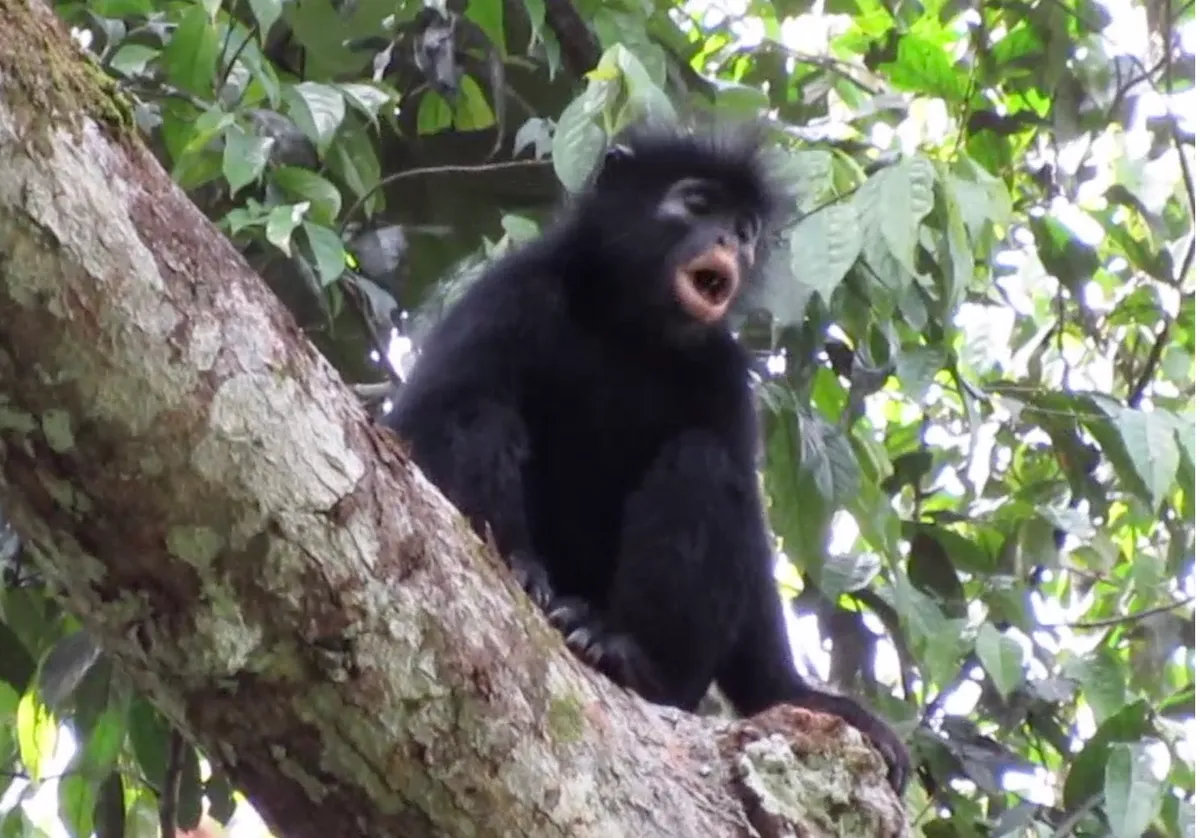
That's precisely what happened in the Democratic Republic of Congo. Wildlife researchers, exploring a vast forest that would later become Lomami National Park, documented a sleek, black monkey they just couldn't place. It didn't match anything in their field guides. A minor mystery in a jungle full of them.

Fast forward to now, and a new study has officially confirmed it: this isn't just a monkey, it's a brand-new species of colobus monkey. Locally, some communities call it "likweli," a name that has now stuck, though scientists have given it the slightly less catchy Colobus congoensis.
We're a new kind of news feed.
Regular news is designed to drain you. We're a non-profit built to restore you. Every story we publish is scored for impact, progress, and hope.
Start Your News DetoxWhat makes a likweli a likweli? Both sexes are almost entirely black, which is striking enough. But the real tell is a distinct patch of pinkish to orange-cream skin around their mouths. It's like nature decided to give them a permanent, subtle lipstick.
The Long Road to a Name Tag
John Hart, lead author of the study and scientific director at the Lukuru Wildlife Research Foundation, explained that this wasn't the only enigma. Another monkey, known locally as the lesula, also threw researchers for a loop before being officially described as Cercopithecus lomamiensis in 2012. It seems this particular forest is a hotbed for biological surprises.
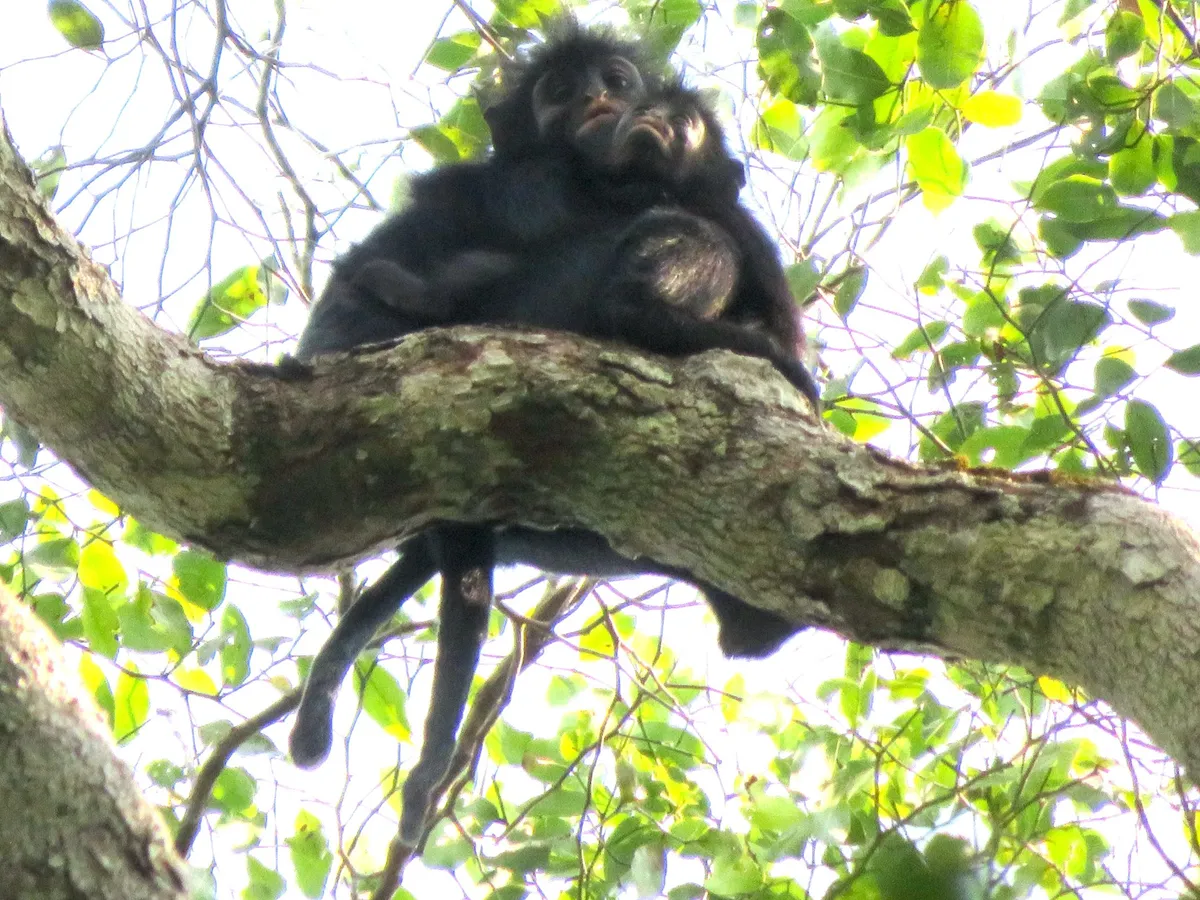
The lesula took priority, along with the monumental task of establishing Lomami National Park itself. So, the likweli discovery was effectively put on the back burner. It wasn't until 2018, when local field researcher Jean Pierre Kapale started consistently photographing them during patrols, that the likweli finally got its moment in the scientific spotlight. It just goes to show, sometimes the biggest discoveries are simply waiting for someone to give them a proper introduction.