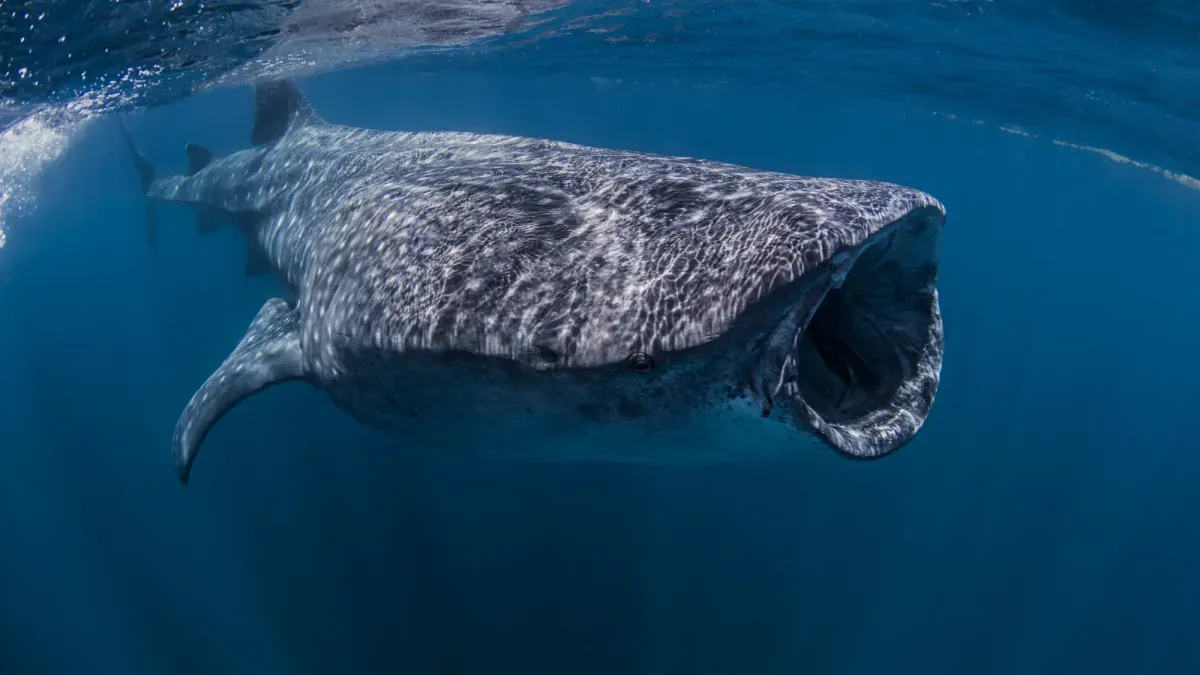
Florida, land of ancient sloths and modern pythons, just reminded us it also hosts the world's largest fish: the whale shark. Recently, the Florida Fish and Wildlife Conservation Commission (FWC) spotted a few of these gentle giants about eight miles west of Loggerhead Key, lounging in the Dry Tortugas Northern Ecological Reserve.
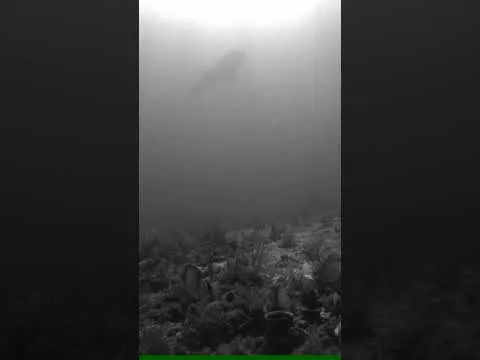
They didn't just stumble upon them. Scientists used a fancy underwater camera system called S-BRUV, usually reserved for checking out reef fish. Turns out, it's also excellent for catching a glimpse of a creature that could swallow a small car.
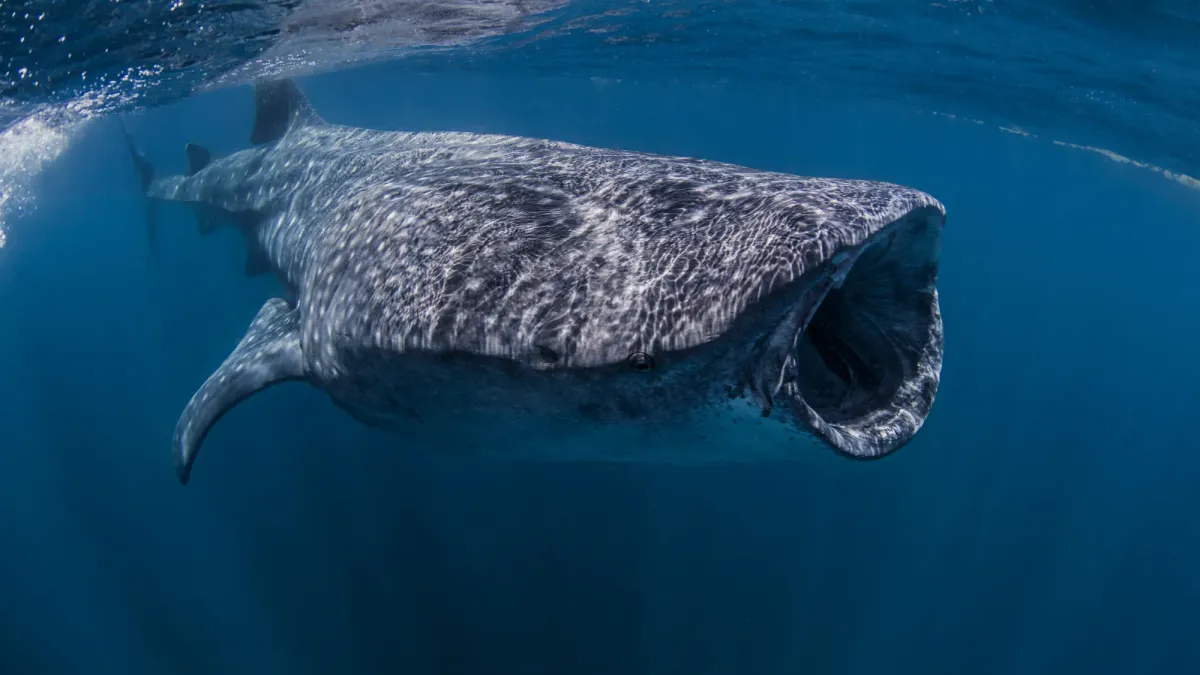
FWC research scientist Douglas Adams, clearly unfazed by the sheer scale of these animals, noted that whale sharks are actually in Florida waters all year. He suspects they're just better at hide-and-seek than we are, possibly more common than we realize. Fishermen, aerial surveys, and other methods occasionally spot them, but a dedicated camera system really helps.
We're a new kind of news feed.
Regular news is designed to drain you. We're a non-profit built to restore you. Every story we publish is scored for impact, progress, and hope.
Start Your News DetoxThe Bowling Lane of the Ocean
Just how big are we talking? Whale sharks are the biggest fish in the ocean, full stop. They typically clock in at 18 to 40 feet long, but some absolute units can hit 60 feet. That's roughly the length of a bowling lane. Let that satisfying number sink in.
These sharks are also surprisingly prolific, giving birth to live young that are a respectable two feet long at birth. Some mothers can carry over 300 embryos at once, which makes human pregnancy look like a walk in the park.
They're filter feeders, which sounds like something you'd find on a high-tech coffee machine, but for whale sharks, it means they cruise around with their colossal mouths open, sifting out zooplankton, small fish, crustaceans, and phytoplankton. Adams explains they use special gill rakers for this suction filter-feeding, basically a built-in colander for the ocean. Apparently, they're crucial for keeping plankton populations in check, though their exact role in the ecosystem is still being studied. Because, you know, it's hard to get a clear picture when your subject is the size of a bus.
While Florida is a known hangout, these sharks are global travelers, popping up in the Atlantic, Gulf of Mexico, and Indo-Pacific. They can be loners or hang out in massive groups — sometimes up to 420 individuals chilling together off Mexico or Western Australia. Which, if you think about it, is both impressive and slightly terrifying.
Despite being the ocean's biggest fish, whale sharks are completely harmless to humans. Their biggest threats are, ironically, us. Getting tangled in fishing nets, finning, boat strikes, tourism disturbances, and climate change are all chipping away at their global numbers, earning them an Endangered listing from the IUCN. So, if you spot one of these gentle giants in Florida, the FWC wants to know. Your data helps protect these magnificent, bowling-lane-sized fish.