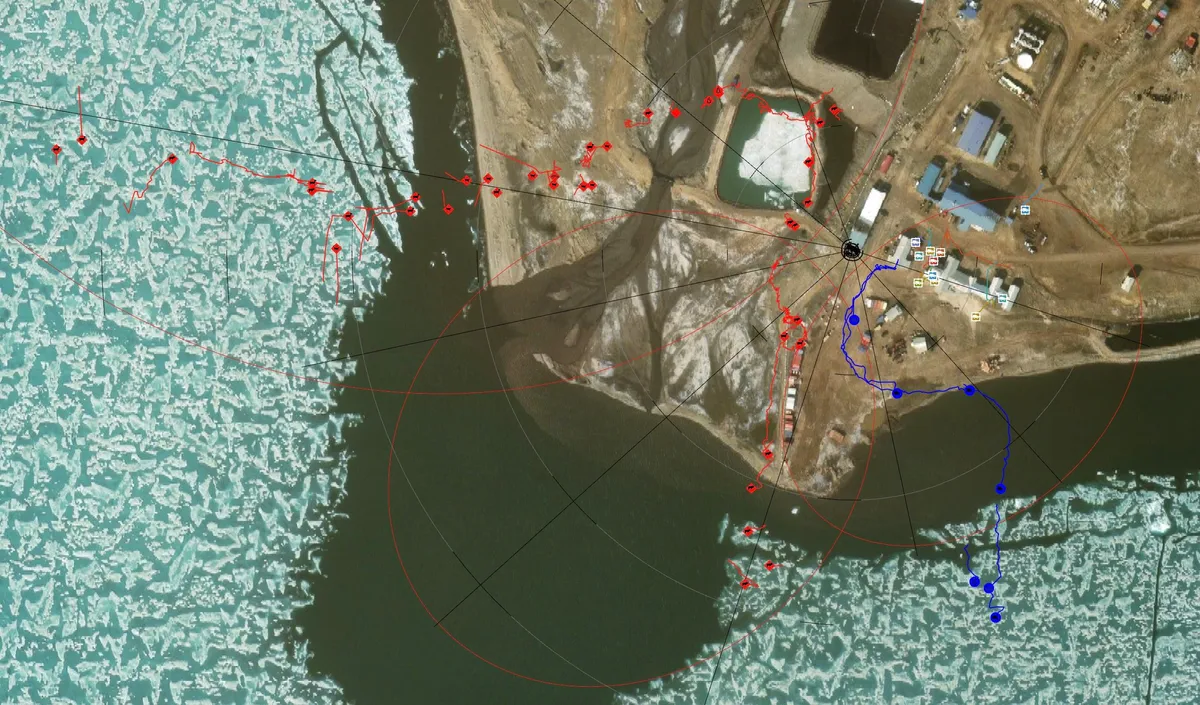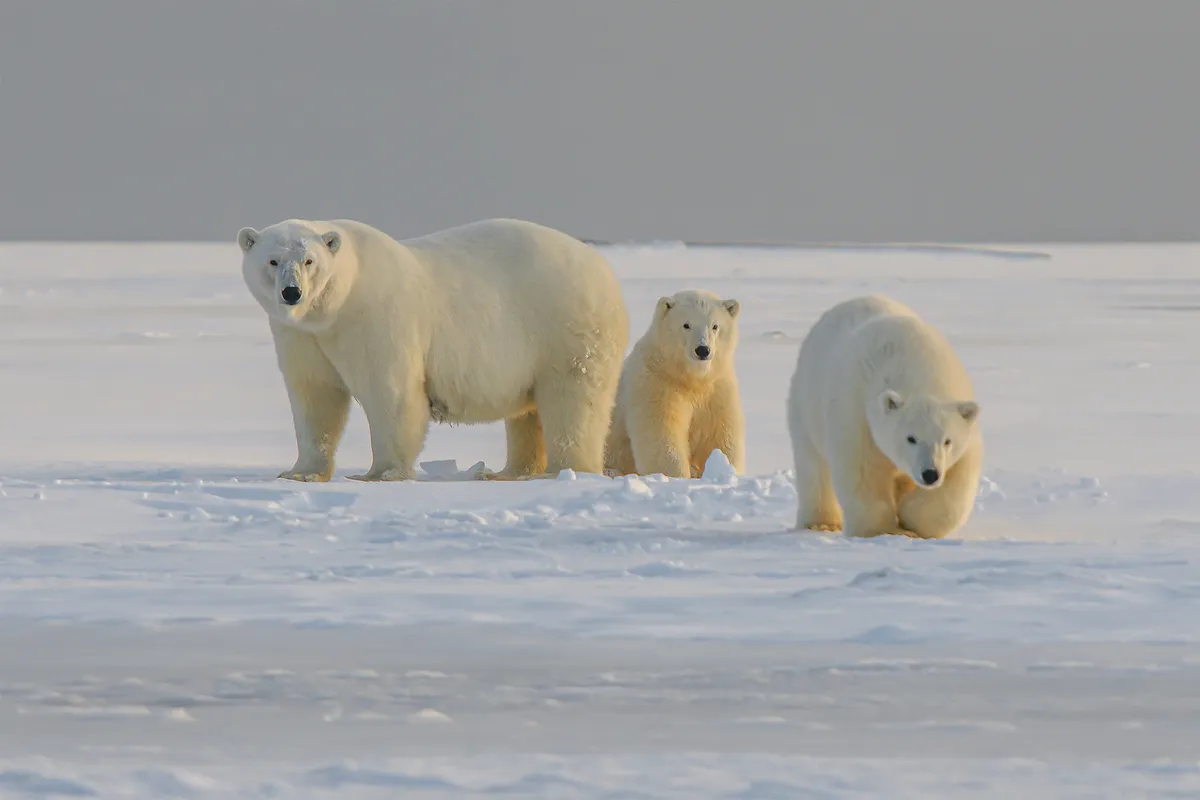
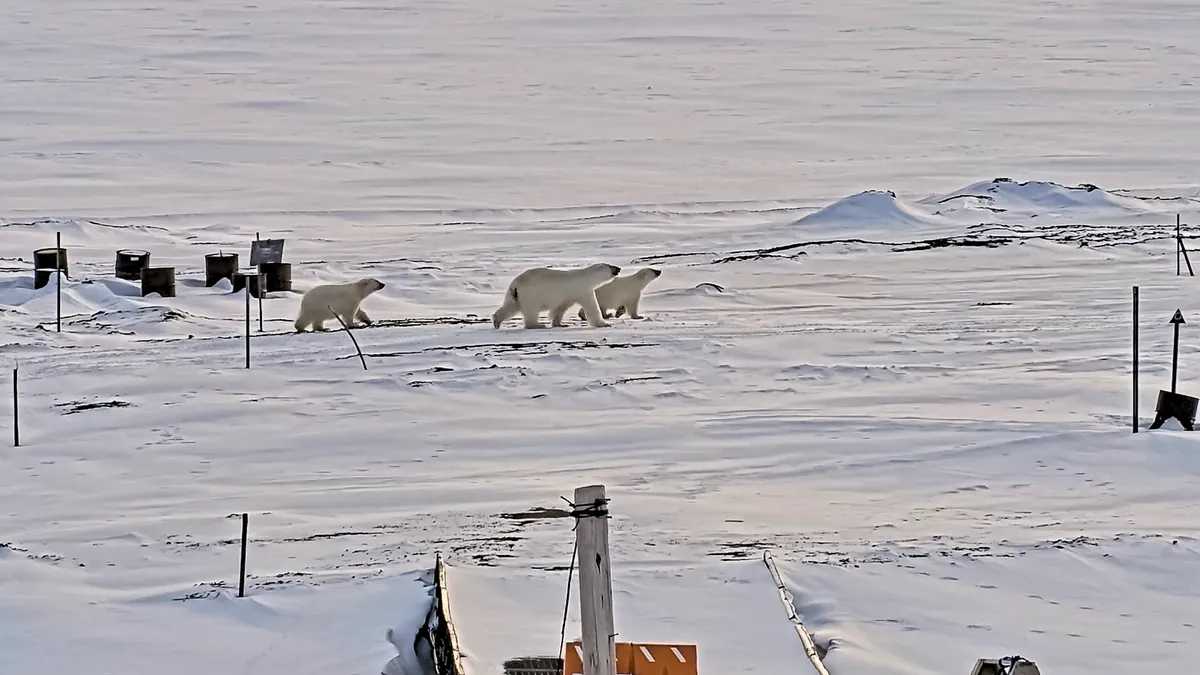
The Arctic is vast, often dark, and full of... well, polar bears. And spotting a 1,000-pound predator camouflaged against the snow before it ambles into your village? That's a challenge. Enter "Bear-dar," a new AI-powered radar system designed to give Arctic communities a serious heads-up.
Because apparently, the best way to avoid an awkward (and potentially fatal) encounter with a polar bear is to know it's coming. The nonprofit Polar Bears International teamed up with Spotter Global to cook up this tech, aiming to reduce those dangerous face-offs. Alysa McCall, their science director, put it simply: another safety tool means fewer bears get killed for simply surprising someone.
The Climate Connection
Climate change, bless its destructive heart, is forcing polar bears off their melting sea ice homes and onto land in search of snacks. Which, naturally, increases the chances of them bumping into humans. Bear-dar is stepping in as a high-tech mediator.
We're a new kind of news feed.
Regular news is designed to drain you. We're a non-profit built to restore you. Every story we publish is scored for impact, progress, and hope.
Start Your News DetoxSo, how does this bear bodyguard work? Imagine radar panels, roughly the size of an iPad, constantly scanning the horizon. They can pick up movement from a few hundred meters all the way up to 1.2 kilometers (that's about three-quarters of a mile, for those keeping score).
The real magic is the AI tucked inside. It learned to spot polar bears by studying them at Assiniboine Conservancy Park in Winnipeg, Canada. Basically, it went to bear finishing school so it could tell the difference between a tumbleweed and a very large, hungry carnivore. Which, if you think about it, is both impressive and slightly terrifying.