A bear mauling in India, a new solar record in New York, and an astronaut taking the first X-rays in space — this week, the world's problems and solutions felt a bit closer to home. Whether it was the literal home of a tiger or the very human body of an astronaut, the stories that stood out showed us a planet where innovation is getting personal, and protection is becoming paramount.
The Unseen Protectors
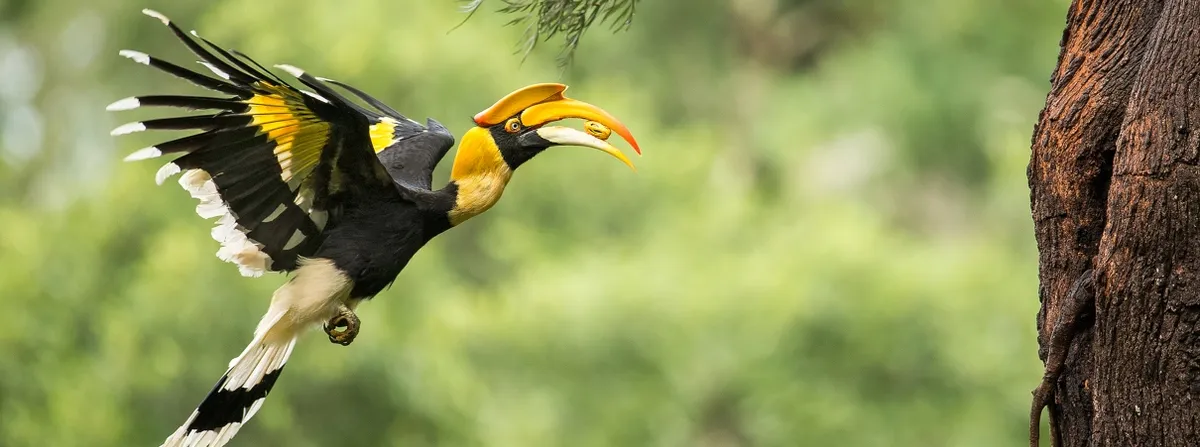
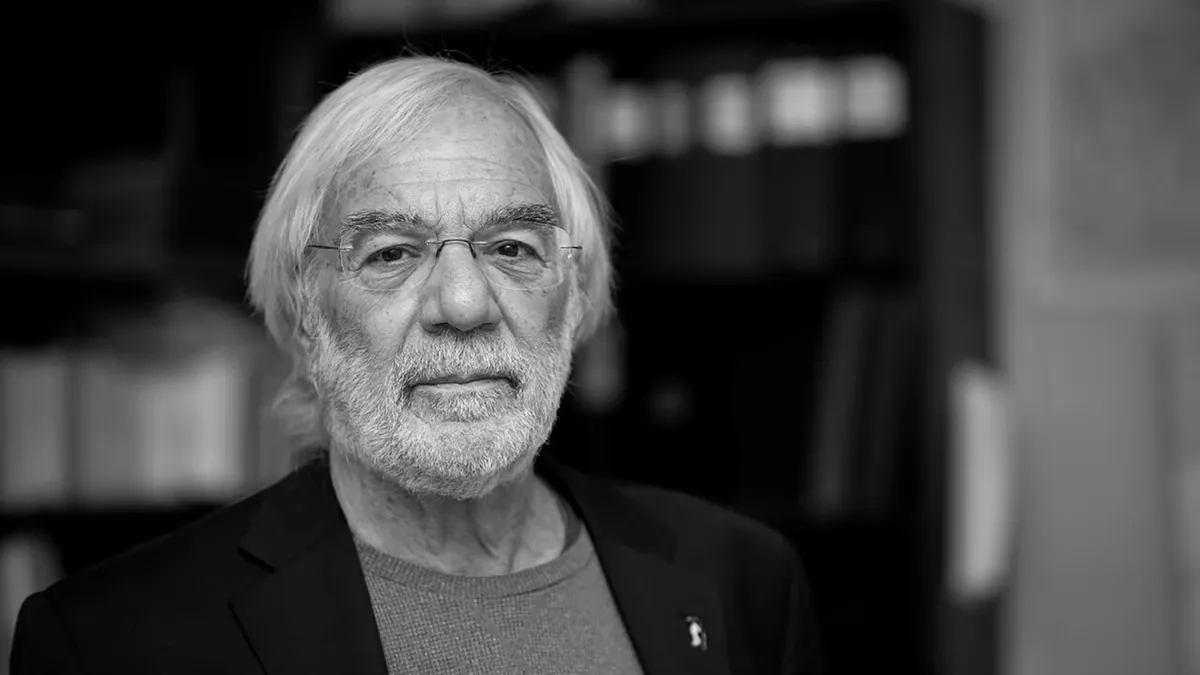
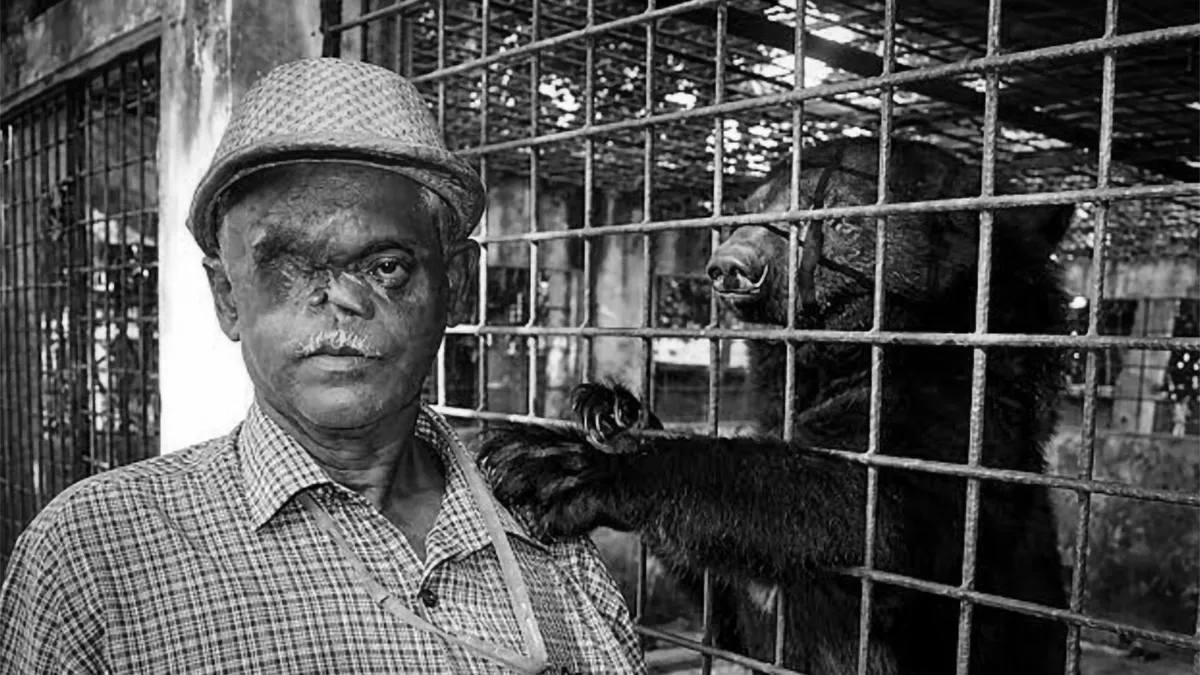
Sometimes, the best solutions aren't new; they're just finally getting noticed. In India, a man named Sitesh Ranjan Deb, after losing an eye to a bear, transformed from hunter to conservationist, dedicating his life to protecting wildlife. His story, A Hunter Lost an Eye. Then He Found a New Reason to Live., highlights a deeply personal shift. Meanwhile, in the Western Ghats, Ancient Sacred Groves Are Secretly Growing India's Future Forests. These aren't national parks; they're small, revered patches of untouched forest, protected by local communities for generations because they believe the trees belong to their deities. It's a quiet, decentralized form of conservation that's proving incredibly effective.
This isn't just about saving trees; it's about recognizing that some of the most powerful guardians of our planet are the people and traditions already living within it. If you've been wondering how to make a real difference, sometimes the answer is simply to support what's already working, quietly, on the ground.
We're a new kind of news feed.
Regular news is designed to drain you. We're a non-profit built to restore you. Every story we publish is scored for impact, progress, and hope.
Start Your News Detox"In the villages of India’s Western Ghats, some of the oldest and tallest trees do not grow inside a national park. They grow in sacred groves, small patches of old, mostly untouched forest that local communities have protected for generations, because they believe the trees belong to their deities." — Read the full story
Smart Systems, Smarter Cities
Innovation doesn't always come in a shiny new gadget; sometimes it's about repurposing what's already there, or simply making the existing system work better. Take Paris, for example. Instead of installing more air conditioning units, the city is cooling thousands of buildings with river water. Fraîcheur de Paris operates an underground pipe network that uses the Seine's cold water, a solution so elegant it's slated to triple in size by 2042. This is infrastructure as a living, breathing system.
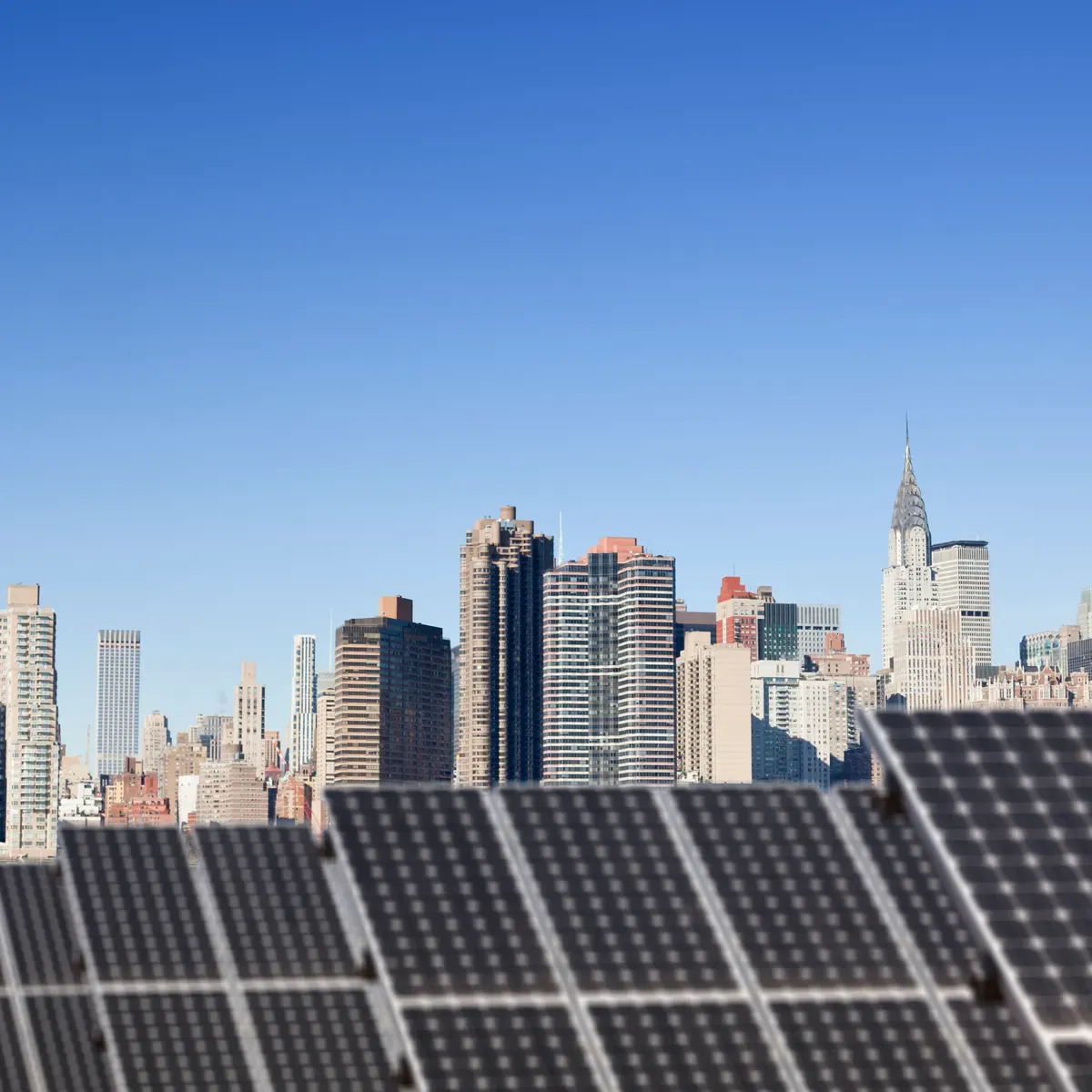
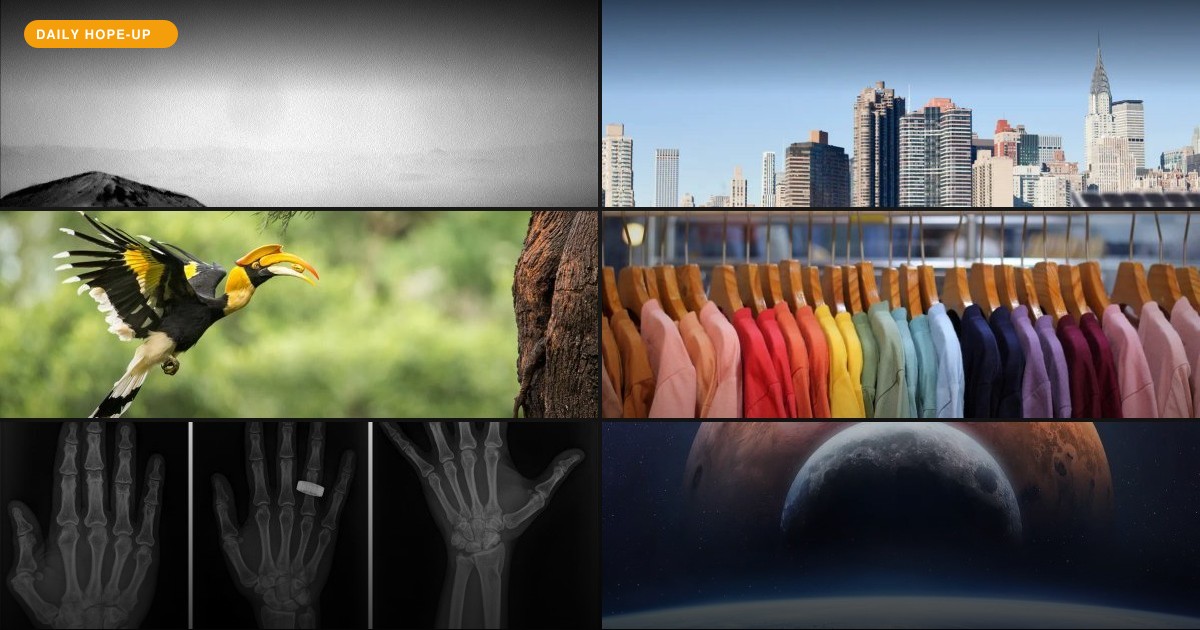
Across the Atlantic, New York State just hit a major solar milestone. Experts credit this rapid growth not to a new invention, but to "consistent incentives, standardized utility processes and regulatory collaboration." It's a reminder that sometimes the most exciting breakthroughs are in policy and process, not just technology. If you've been frustrated by the pace of change, these stories prove that when bureaucracy gets its act together, big things can happen fast.
The Body as the Next Frontier
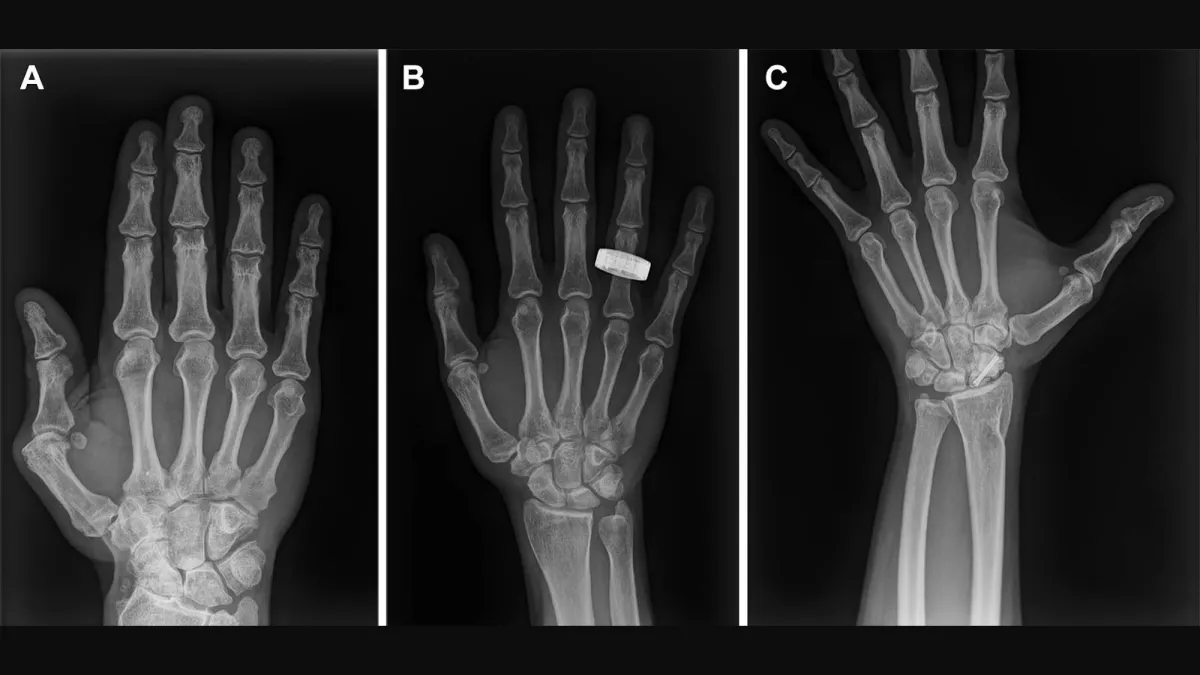
From the cosmos to our own biology, this week showcased a fascinating push to understand and protect the most intricate systems. Astronauts on the International Space Station just took the first X-rays in space, finally adding a crucial diagnostic tool beyond ultrasound. It's a small but significant step towards longer, safer space missions, where the human body will be pushed to its limits.
Back on Earth, scientists made a surprising discovery about how stress impacts us, finding a brain-gut-bone marrow highway in mice. This isn't just academic; it could inspire new strategies to protect our immunity from chronic stress. Meanwhile, Europe decided that destroying unsold clothes is now illegal, tackling the waste problem by protecting the resources that go into our very wardrobes. These stories underscore a growing focus on the delicate, interconnected systems that sustain us, from our bodies to our planet.
Hope stat: 3,000 — the number of Parisian buildings expected to be cooled by the Seine river water system by 2042, tripling its current reach. Watch this space: As more cities face extreme heat, Paris's river-powered cooling system could become a global blueprint for sustainable urban infrastructure.