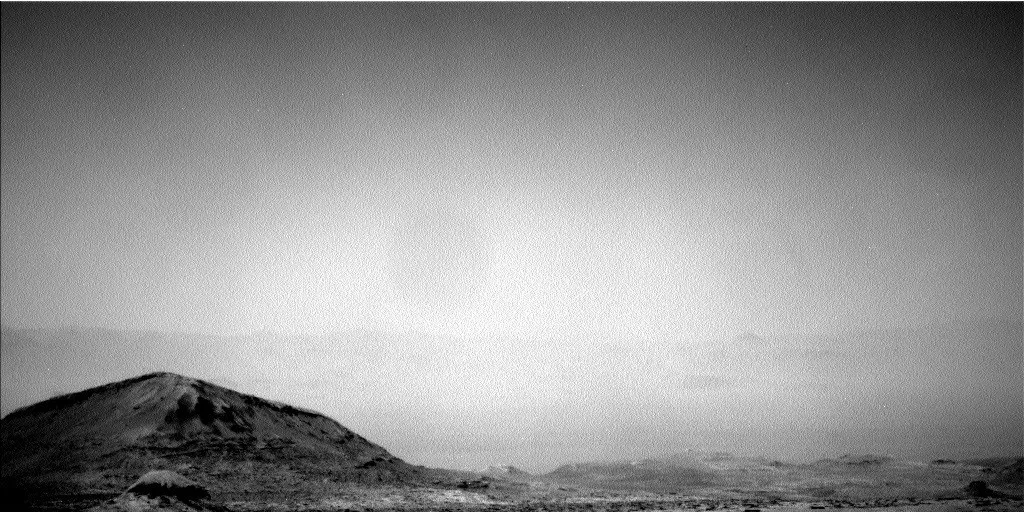
Our favorite six-wheeled Martian geologist, Curiosity, just had a week that sounds suspiciously like a rock concert — it moved fast, hit three distinct "stages," and peered deep into the history of Gale Crater. Because, apparently, even on Mars, everyone's trying to figure out where they came from.
The rover zipped through different geological zones, pausing at each to deploy its MAHLI and APXS instruments for the kind of close-up inspection that would make a rock whisperer proud. ChemCam LIBS zapped rocks to get their chemical fingerprints, while Mastcam and ChemCam snapped wide-angle selfies of towering buttes and ancient erosion patterns. It's like a geological CSI, but with less drama and more red dust.

A Martian Mystery
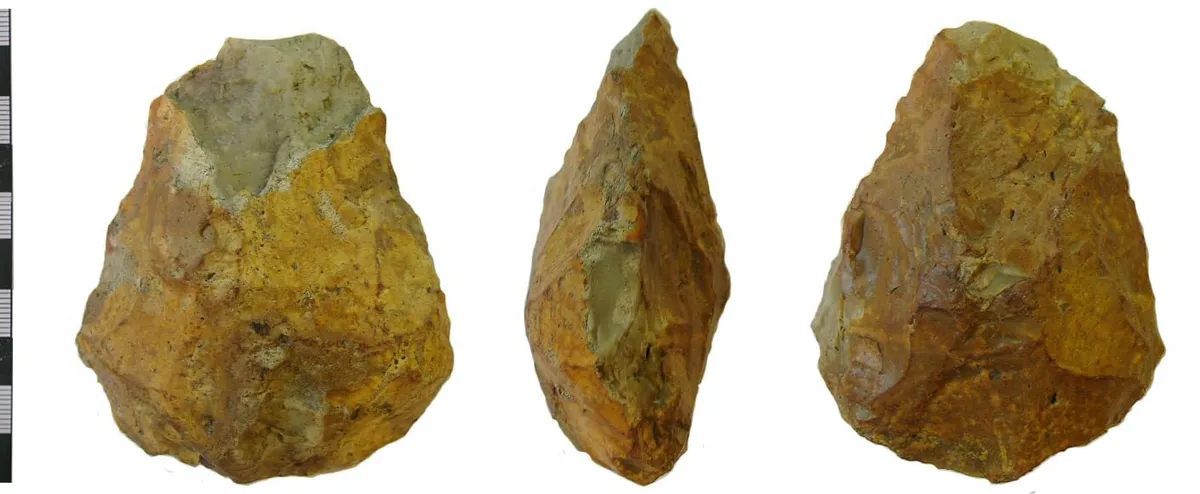
The real showstoppers this week were two rocks that stood out from the crowd. They were noticeably darker than their neighbors, immediately sparking the question: Are they local misfits, or did they parachute in from outer space as meteorites? Curiosity's LIBS instrument is now on the case, analyzing their composition to crack the mystery of their origin. Because who doesn't love a good alien rock story?
We're a new kind of news feed.
Regular news is designed to drain you. We're a non-profit built to restore you. Every story we publish is scored for impact, progress, and hope.
Start Your News DetoxMeanwhile, Mars is doing its own thing, transitioning from summer to autumn in Gale Crater. The atmosphere, much like a post-holiday office, seems to be calming down. This seasonal shift marks the grand finale of the dusty season and the grand opening of the cloudy season. It's the last gasp of the "C" storm season, when regional dust storms like to make a dramatic exit.
Curiosity's Mastcam and Navcam are keeping a vigilant eye out for these atmospheric tantrums, while the REMS instruments continue to dutifully log the daily Martian weather. So, while Curiosity is busy solving rock mysteries, it's also filing the daily forecast. Multitasking, even on Mars, is a must.