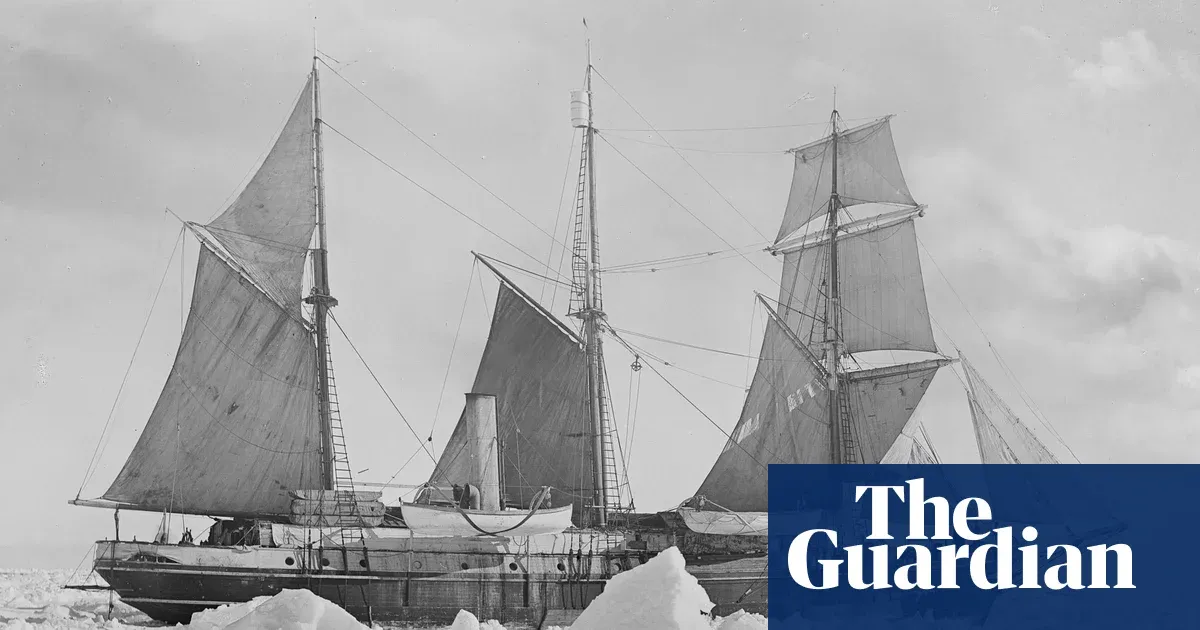
More than 1,000 feet below the surface of the Labrador Sea, the final ship of polar explorer Ernest Shackleton appeared. John Geiger, head of the Royal Canadian Geographical Society (RCGS), described seeing the largely intact ship as a powerful experience.
Days later, Geiger was in the submersible Alvin again. He was staring at the remains of the Terra Nova. This ship was used by Robert Falcon Scott on his Antarctic expedition.
Creating Digital Twins of Historic Wrecks
An expedition to both ships began in early July, funded by the RCGS. The team has now released highly detailed 3D "digital twins" of the wrecks. Geiger, the expedition leader, believes this project marks a "golden era for shipwreck hunting." New technology allows researchers to better map and model these historic sites.
We're a new kind of news feed.
Regular news is designed to drain you. We're a non-profit built to restore you. Every story we publish is scored for impact, progress, and hope.
Start Your News DetoxThe 21-day expedition left Woods Hole Oceanographic Institution in Massachusetts on July 2. For two weeks, the team worked to digitally preserve the final ships of Britain’s most famous polar explorers.
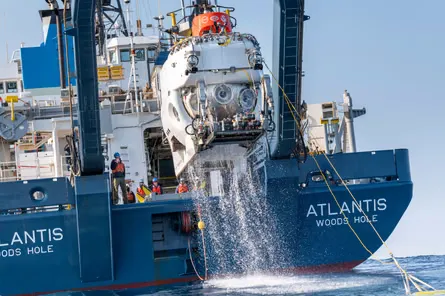
Shackleton was a key figure in the "heroic age" of Antarctic exploration. His 1914 expedition on the Endurance ended when the ship was crushed by ice. Shackleton ensured his entire crew survived. In 1922, he died of a heart attack on the Quest, a ship he used to explore Canada’s high Arctic. The Quest sank in 1962 and was found in 2024, also by an expedition led by Geiger.
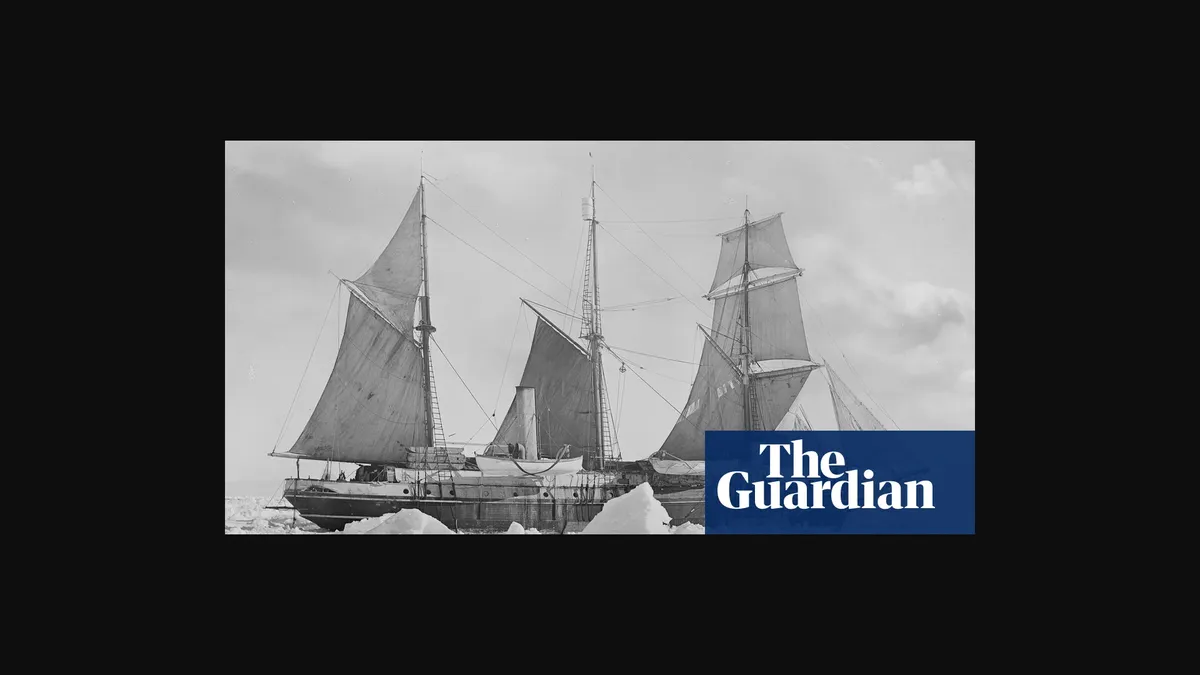
The Terra Nova carried Scott and his crew in 1910. They aimed to be the first to reach the South Pole. Scott reached it in January 1912, but Norwegian explorer Roald Amundsen had arrived a month earlier. Scott and his team died on the return journey. The Terra Nova later sank in 1943 after being used in the Newfoundland seal fishery.
The RCGS team used underwater imaging technology from the Canadian company Voyis. This allowed them to build detailed 3D models of the wrecks. They know that the ocean will eventually reclaim both the Terra Nova and the Quest.
Geiger described the process as "mind-boggling." He said they scan the wrecks and collect thousands of high-resolution 3D images. These images are then "knitted together" to make the ships appear on screen.
Inspiring Future Exploration
Neither ship had casualties before sinking, so there are no unsolved mysteries about their fates. Instead, Geiger said the expedition aimed to inspire a new generation of explorers. He noted that very little of the ocean is mapped, especially Canada's Arctic waters.
Marine biologists are excited to learn about the wildlife around the wrecks. They also want to study how nature reclaims the wooden hulls. The crews also saw damage from deep-sea fishing trawlers, with heavy nets partly covering the wrecks.
Recent advances in submersible technology are opening new frontiers. Five years ago, the Alvin was approved to explore deeper, from 14,700 feet to 21,300 feet.
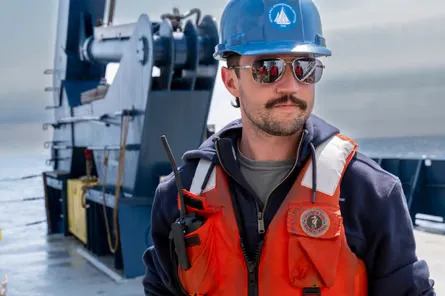
Benen ElShakhs, who piloted the trip to Terra Nova, said this opens up new territory for scientific research. He described seeing a 100-year-old wooden ship from Antarctica, now 500 feet below the surface, as a "wild experience."
Geiger believes that while robots will be used in future expeditions, the human role in exploration is vital. He said that without humans, "poetry, romance, and wonder" would be lost. These human qualities connect us to the past and drive us forward.