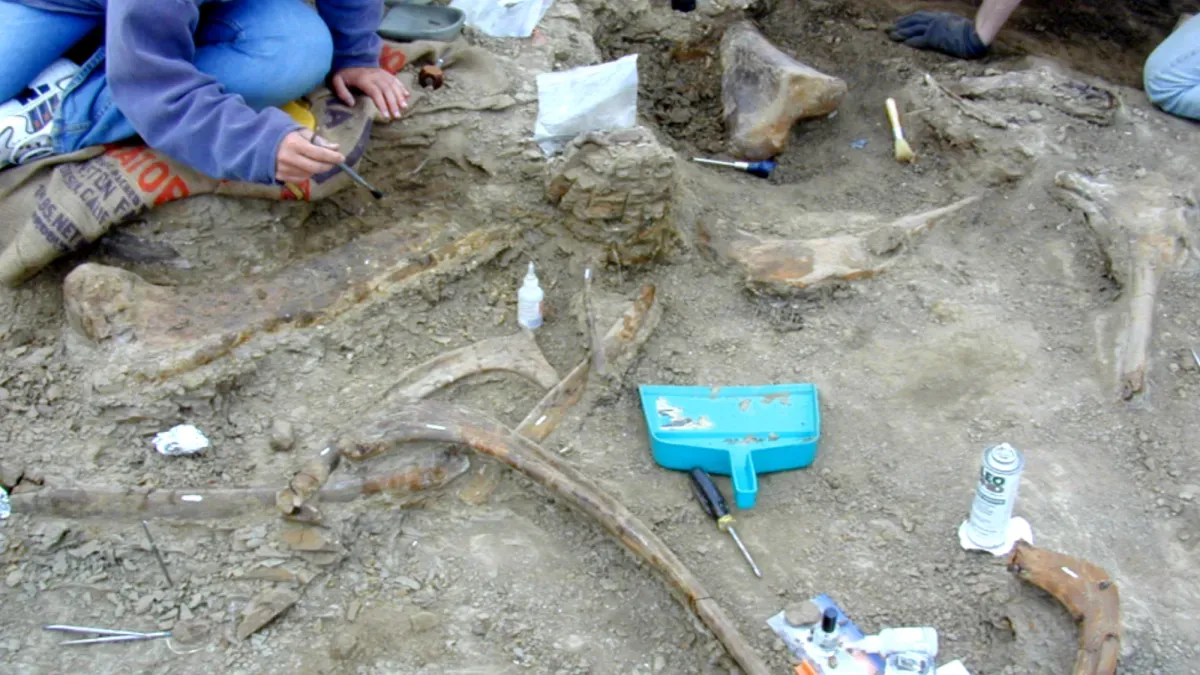
Picture this: 72 to 66 million years ago, a Tyrannosaurus rex was having a snack. Or maybe just a really bad day. Either way, it chomped down on a plant-eating dinosaur, and paleontologists in Wyoming just found the fossilized bones to prove it. Yes, we're talking about ancient bite marks, perfectly preserved, like a very permanent, very prehistoric crime scene.
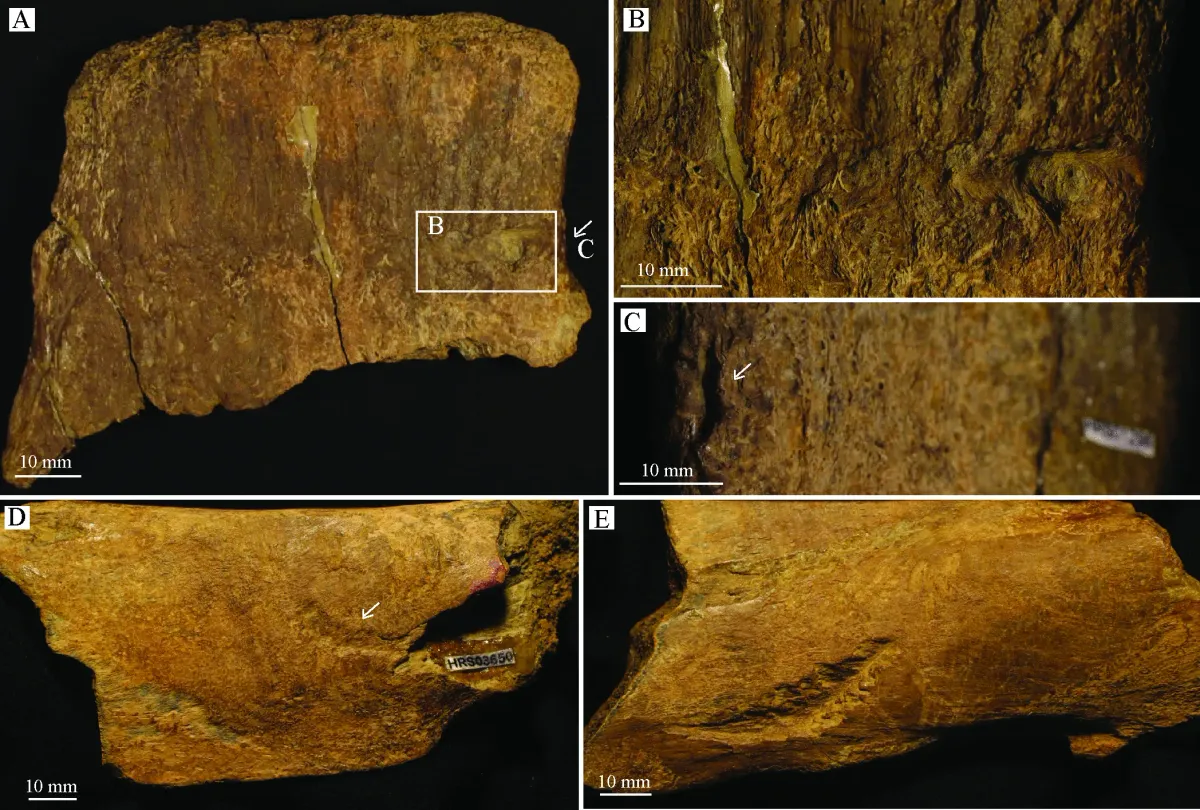
Researchers sifted through over 3,000 bones from the late Cretaceous period, mostly belonging to Edmontosaurus annectens – a large, duck-billed dino that probably just wanted to graze in peace. Out of that massive pile, a mere dozen bore the tell-tale signs of a struggle. Four of those showed unmistakable T. rex dental work. The others? Maybe some smaller carnivores, or perhaps a particularly aggressive crocodilian. Because apparently, even 66 million years ago, everyone wanted a piece of the action.
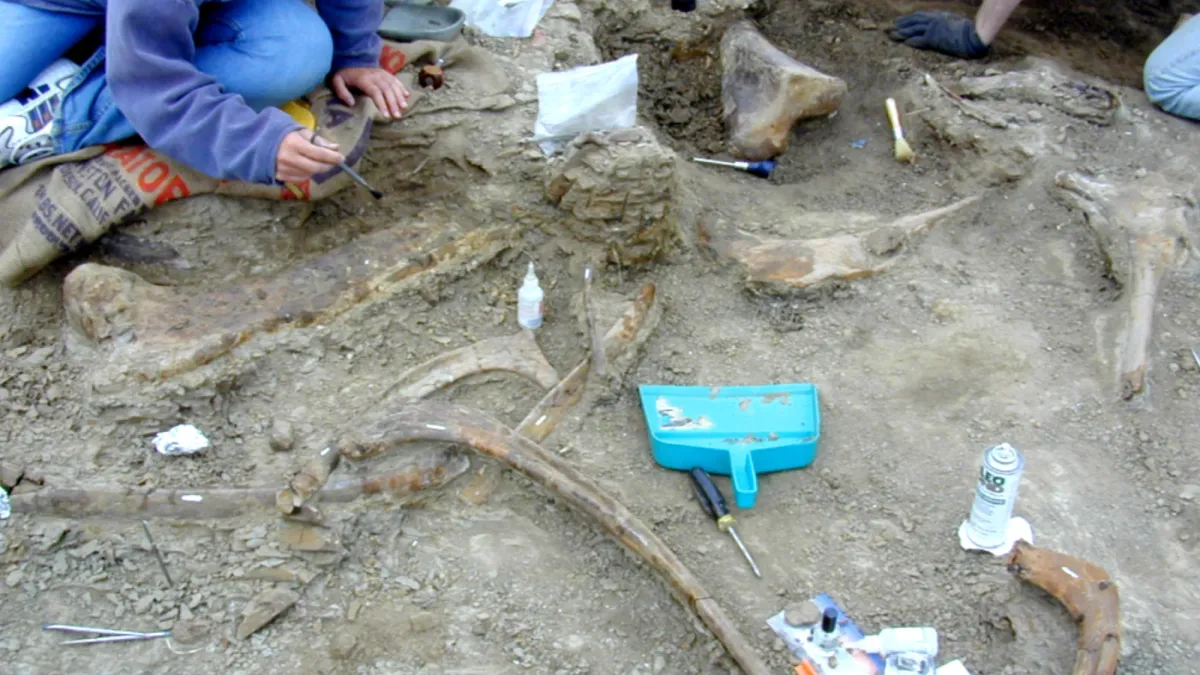
Most of these marked bones showed no signs of healing, which, if you think about it, is a bit of a bummer for the Edmontosaurus. It means the bites likely happened right around the time the poor creature kicked the bucket, or even after. So, was our T. rex a cunning hunter or just a very enthusiastic scavenger? The fossils aren't saying, but either way, that Edmontosaurus had a rough time before becoming a permanent geological record.
We're a new kind of news feed.
Regular news is designed to drain you. We're a non-profit built to restore you. Every story we publish is scored for impact, progress, and hope.
Start Your News DetoxThe CSI of Paleontology
This isn't just a cool story about an ancient meal; it's also a surprisingly practical guide for future fossil detectives. The study also created a sort of "how-to" for identifying these prehistoric tooth marks. Turns out, telling the difference between a genuine T. rex puncture and, say, a bit of joint disease or plain old erosion, is surprisingly tricky.
But it's crucial. Knowing what really happened to a dinosaur's bones helps scientists piece together ancient food webs and behaviors. Was it hunted? Scavenged? Did it just trip and land on a pointy rock? A clear set of criteria for identifying tooth marks means paleontologists can finally stop guessing and start knowing. Which, for the rest of us, means more incredible stories about what went down when the dinosaurs ruled the earth. And probably more headlines about ancient dental records.